The Best Time of Day to Fish in the Spring
The best time of day to fish in the spring changes as the water warms — from the warm afternoon of early spring to first and last light once the fish move up to spawn.
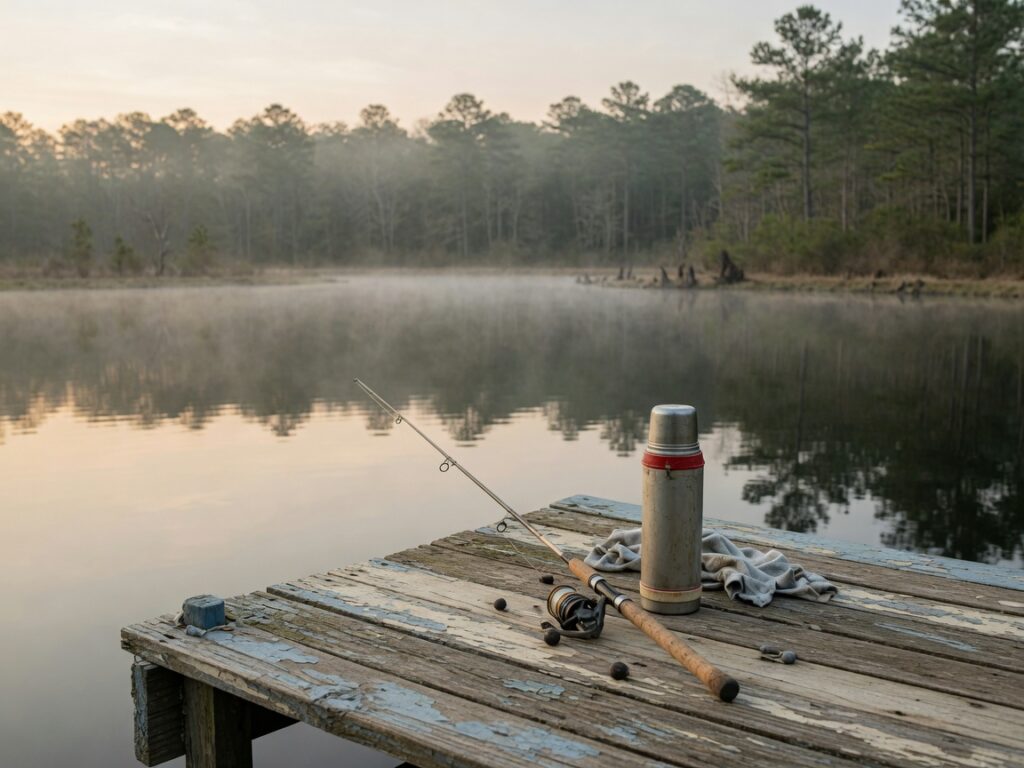
Spring is the season everybody gets the itch to fish again, and it’s also the season that fools the most people on the hour to go. In the summer I’ll tell you to be on the bank before the birds; in the fall I’ll tell you to sleep in and fish the warm afternoon. Spring is neither one, all the way through — because spring itself is moving. My name is Silas Whitfield, and I’ve fished the same pond most of my life. Let me tell you what my granddaddy taught me about spring, because the clock keeps shifting from the first warm spell clear on to the dogwoods.
Here’s the shape of it, and I’ll lay it out plain before I explain it: early spring, when the water’s still cold, you fish the warm middle of the day — same as fall. As the water climbs into the sixties and the fish move up shallow to spawn, they’ll bite most of the day. And by the tail end of spring, when it’s warming toward summer, you’re back to first light and last light. One season, three clocks. Read the water and each one makes sense.
Early spring: fish the warm afternoon
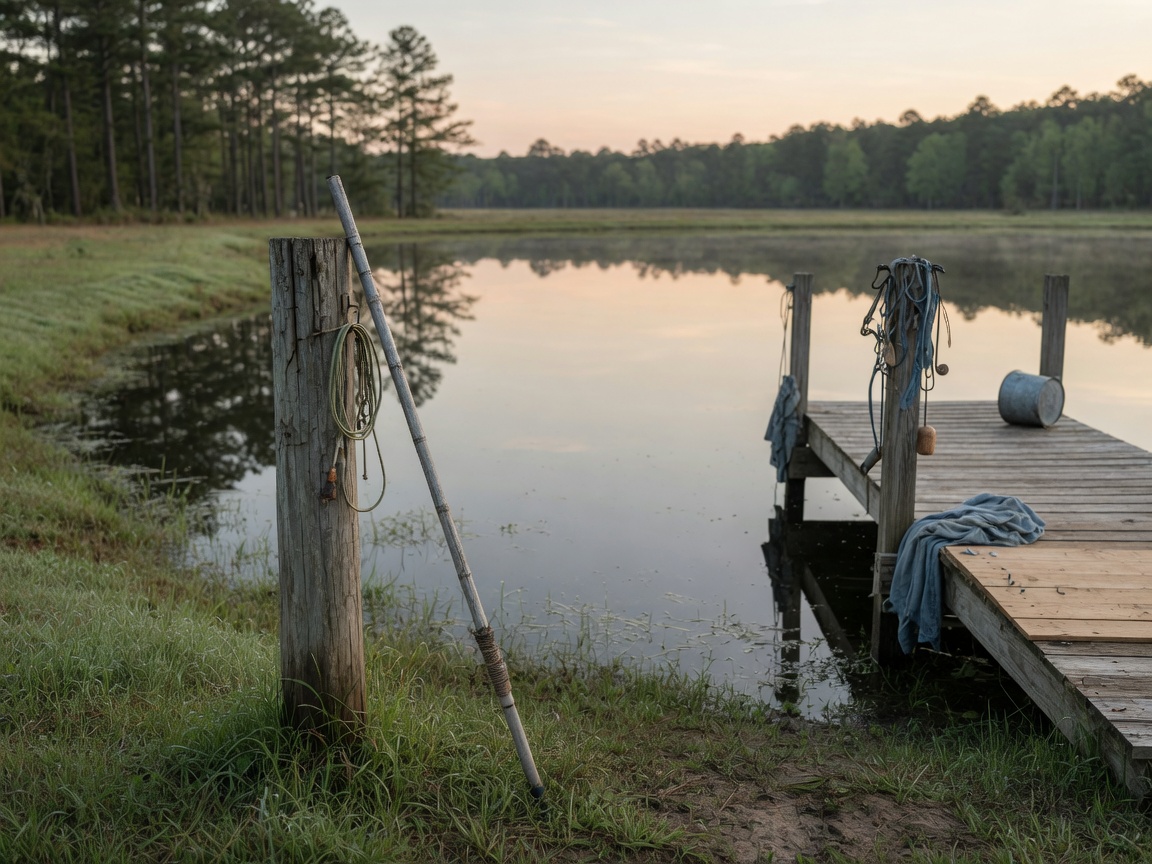
At the front of spring the water is still cold, barely thawed out of winter, and a fish is a cold-blooded thing — the water sets how fast his body runs. On a cold morning in March the shallows are frigid and the fish are sluggish, holding deep and slow, not much interested in a meal.
But let the spring sun climb up and work on that shallow water for a few hours, and by early afternoon it’s warmed a couple of degrees. A couple of degrees is plenty to wake a cold fish and put him on the feed. So in early spring, same as fall, the warm middle of the day — roughly late morning to mid-afternoon — is your window. Fish the sunny side of the pond, the bank that’s been catching the sun since morning; the shaded side stays cold and empty. This is the fall rule running on into the front of spring, and if you want the whole of that cold-water pattern I wrote it out in the best time of day to fish in the fall.
The spawn: the spring window the others don’t have
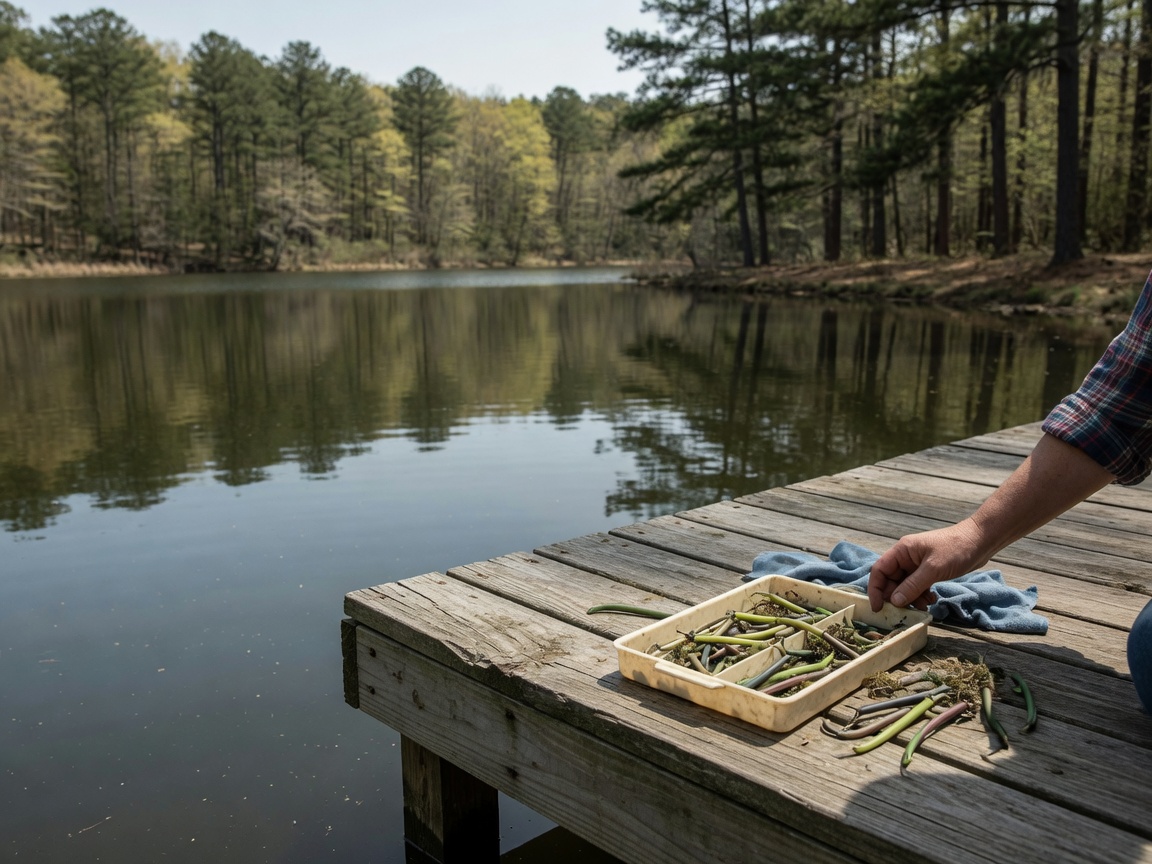
Now here’s the thing spring has that no other season does, and it’s the best fishing of the year for a beginner. When the water warms up into the sixties — crappie a little earlier, bluegill and shellcracker a little later, when it holds around sixty-eight or seventy — the fish leave the deep water and move right up into the shallows to spawn. They fan out their beds in a foot or two of water along the banks, and they get bold and territorial and hungry all at once.
What that means for you is simple: during the spawn, the fish are shallow, close to the bank, and biting most of the day. You don’t have to thread a needle on the hour. A warm, settled week in mid to late spring, with the fish on the beds along a sunny shoreline, is about as easy and as good as pond fishing ever gets. My grandkids caught their first mess of bluegill off my dock in exactly this window, one bright afternoon after another. If you fish only one stretch of the year, fish the spawn.
As the water warms, the clock turns back to the edges
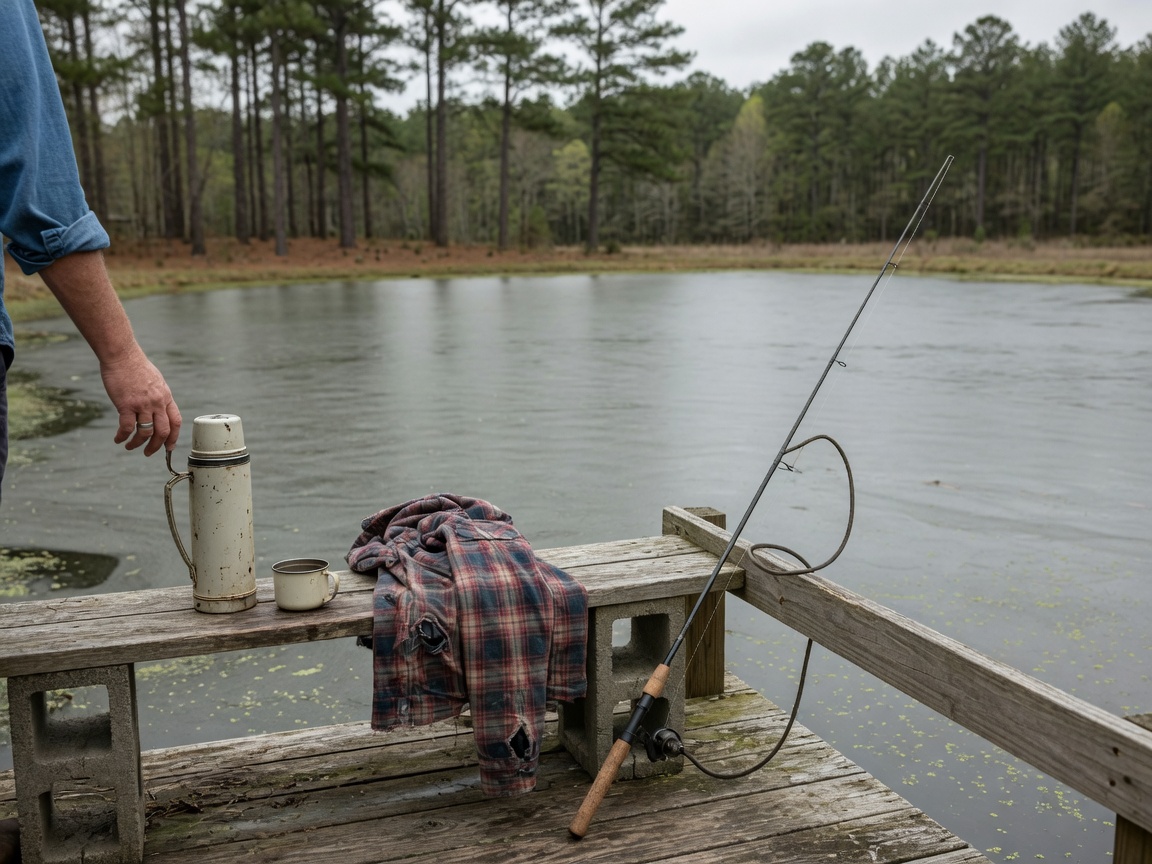
By the far end of spring, when the days are long and the water’s climbing toward true summer warmth, the pattern turns over one more time. Now the midday shallows get too warm and bright, and the fish slide back to the cool and the shade to wait out the heat of the day. So they feed on the cool edges — first light and last light — the way they will all summer.
This is the transition catching up with you. When you start noticing the fish have gone quiet in the early afternoon and you’re doing better at dawn, spring has handed off to summer, and it’s time to set the alarm early again.
Warm spells beat cold snaps — mind the spring cold fronts
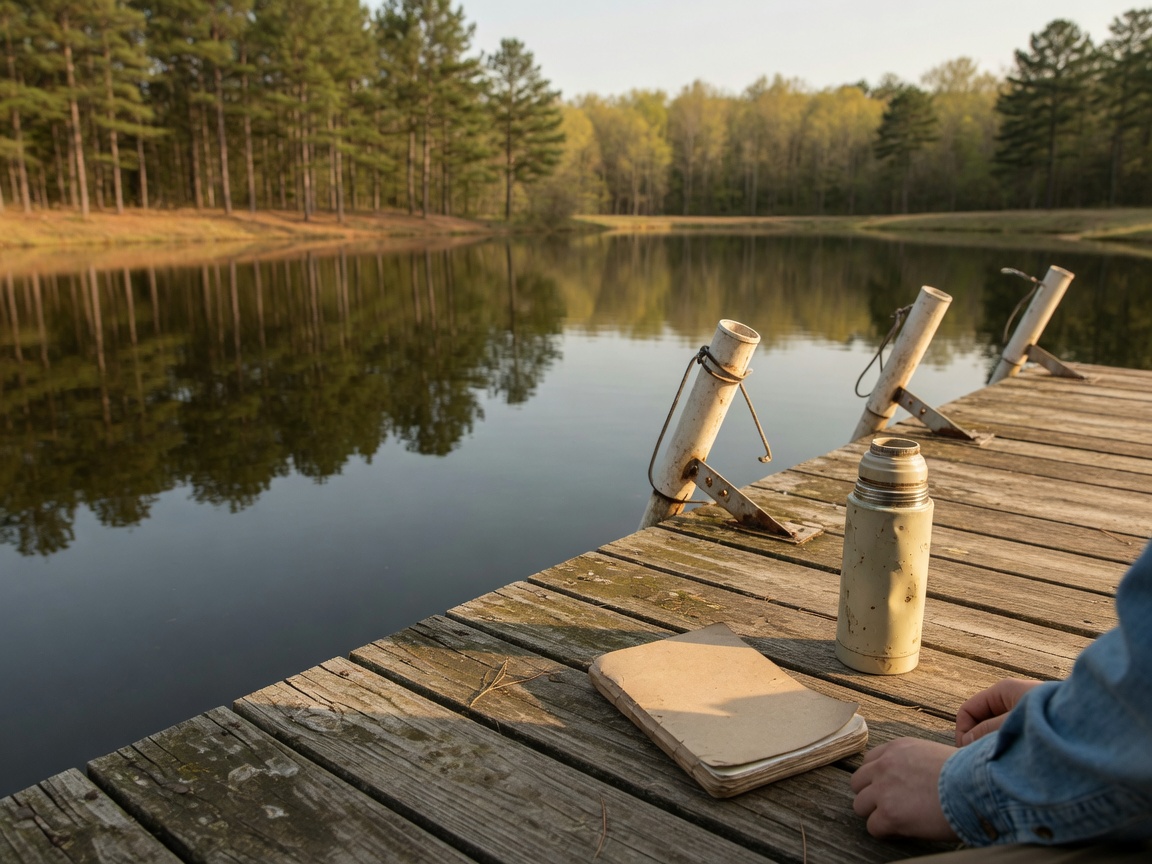
Let me put a finer point on the day itself, because spring weather is a fickle thing. The best days come during a warm spell — two or three mild days in a row will warm the shallows and really turn the fish on, and that second or third warm day is money in the spring same as the fall.
But spring throws cold snaps that fall doesn’t. Down here the old folks named them — dogwood winter, blackberry winter, those sharp cold spells that drop in right when you thought winter was done. A hard late cold front will drop the water temperature, push the spawning fish back off the beds, and make them sulky for a day or two till they settle. When a cold front has just blown through and left the sky bright blue and cold behind it, that’s a day to stay home and tie rigs. When a warm, soft, gray afternoon settles in after a cold stretch, that’s the day to go.
The signs still pick the day
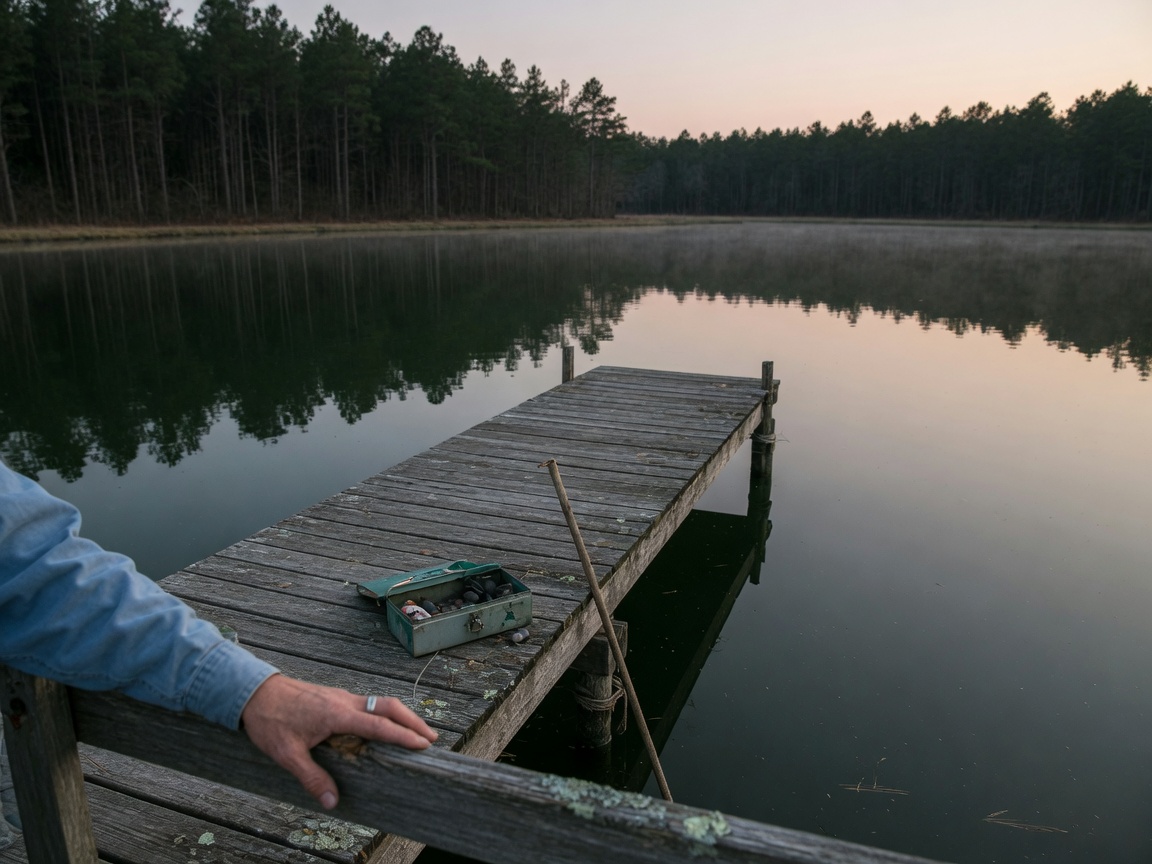
The time of day is only half of it. The right day still gets picked the way it always has — by the signs. A falling barometer ahead of a warm front will out-fish a bright bluebird day every time, spring or not. The water temperature tells you whether the fish are active and whether the spawn’s on yet. And the moon is the old tiebreaker my granddaddy never fished without — the spawn itself runs strong around the full moons of spring. Those three — the weather, the water, and the moon — pick the day; the season’s clock picks the hour within it.
If you want to learn to read those three, I wrote the whole of it down in how to read the three signs — start there, then lay the spring clock on top of it, and you’ll have both halves.
One plain way to remember it
Let me give it to you the way I’d tell a grandchild, so it stays. Early spring, fish the warm of the day. When the water hits the sixties and the fish come to the bank to spawn, fish all day. When summer starts leaning in, fish the cool edges again. The water is doing the same thing it always does — you’re just following the warmth as it moves from the middle of the day out to the edges.
So this spring, watch the water more than the clock. Wait on a warm spell, walk down to a sunny bank in the afternoon while the water’s still cool, and when the fish move up to spawn, take a child down to the dock and let them catch a bucketful. Come home with a mess of bluegill and have a fish fry while the whole world greens up — there’s no better way to open the season.
I keep a little almanac of the best days from my own pond, and I put together a simple one you can use for yours. It marks the best days each month by the moon, with a plain checklist for the barometer and the water, so you can read your own pond the way my granddaddy read his. I give it away free — you can pick up the Best Days to Fish starter kit here. Keep it by the door.
Read the signs. Tight lines — and I’ll see you at the water.
