When Do Chickens Start Laying? A Beginner’s Timeline
When do chickens start laying? A beginner's timeline by breed, the signs a pullet is about to lay, and why that first egg shows up later than you expect.
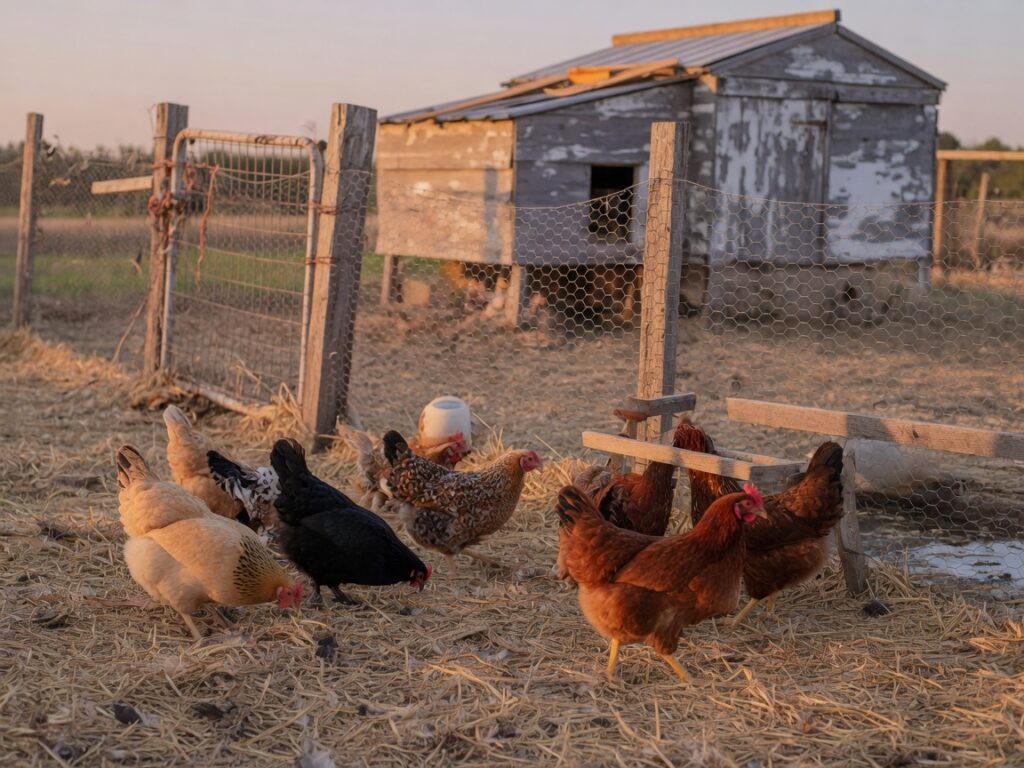
The question I get most often at the county fair booth, right after “do I need a rooster” (you don’t), is some version of this: I got my chicks in April, it’s September, and where are my eggs? The person asking is usually standing there with their phone out, ready to show me a photo of a perfectly healthy pullet who simply hasn’t gotten around to it yet.
Here’s the short answer, and then I’ll give you the honest, breed-by-breed one. Most backyard hens start laying somewhere between 18 and 24 weeks old — call it four and a half to six months. But that range hides a lot, and the breed you chose back at Tractor Supply in the spring has more to do with your wait than anything you can control now.
This is mostly a knowledge post, not a gear one — patience and the right breed do the work. But there’s one input that genuinely bears on whether a ready hen lays well, and it’s worth having sorted before the eggs start.
The 18-to-24-week rule, and why it’s a range and not a date
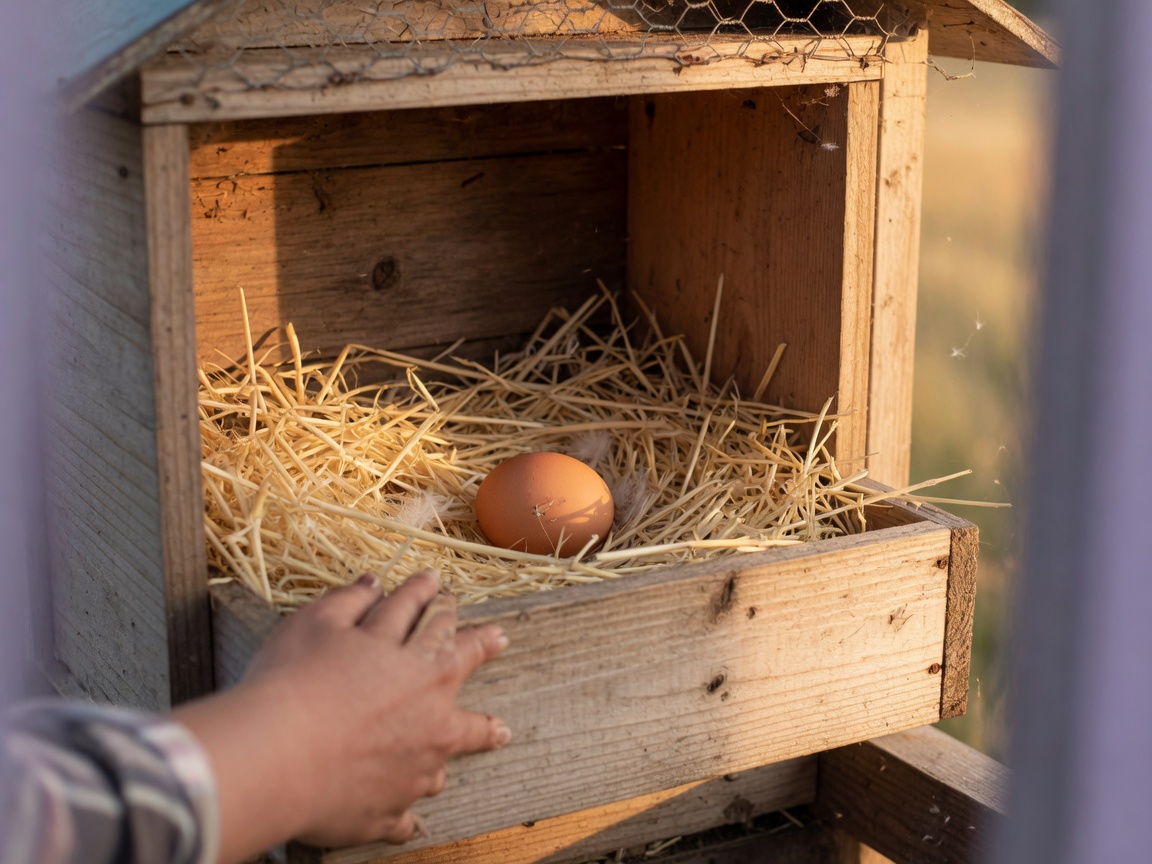
A pullet isn’t laying yet because she isn’t done being built. Those first several months go into frame, feathers, and a reproductive system that isn’t finished until it’s finished. Rushing it isn’t on the menu — there’s no feed or trick that makes a 12-week-old bird lay.
Where your birds fall in that window depends mostly on breed. The production breeds most beginners start with are the early ones. My Australorps and my Golden Comets were laying by about 18 to 20 weeks, right on schedule. Buff Orpingtons tend to take their time — mine were closer to 24 weeks, and I’ve had one dawdle past that. Heavier and heritage breeds, Wyandottes and Brahmas and the like, can make you wait until 28 weeks or more. If you want an early basket, the breed choice is the lever, and it’s one you pull in spring, not fall. My guide to the best egg-laying chicken breeds for beginners breaks down who lays early and who makes you wait.
Season matters too, and it catches a lot of first-year keepers. A pullet who reaches laying age in the shortening days of fall may hold off until the days lengthen again in late winter. Chickens lay on daylight, so a bird that hits maturity in October sometimes waits until February to give you that first egg. It isn’t broken. It’s reading the calendar the way its body is built to.
The signs she’s about to start
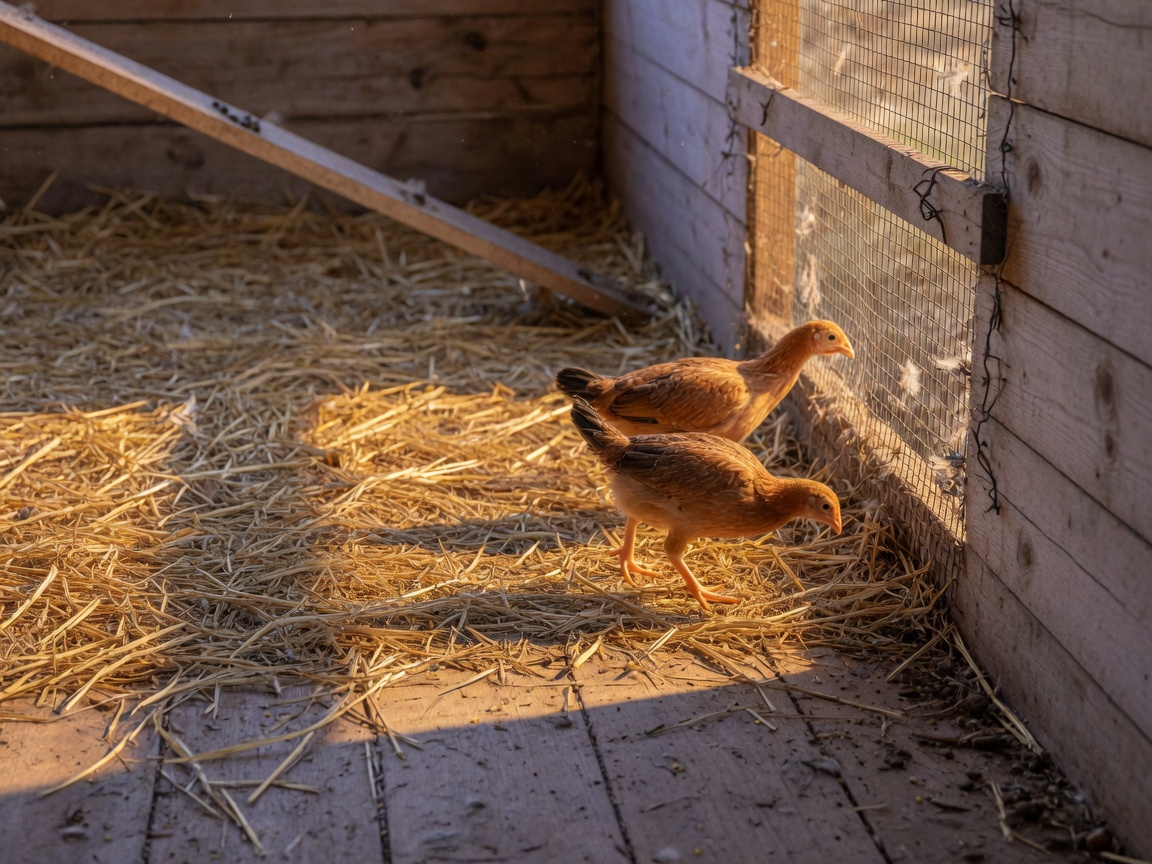
You don’t have to guess blind. A pullet coming into lay tells you, if you know what to watch for, usually in the week or two before the first egg.
The clearest tell is the comb and wattles. On a young pullet they’re small and pale pinkish; as she approaches point of lay they redden and swell up bright. That reddening is the single best sign the switch is about to flip. Watch for it and you’ll rarely be surprised.
The second sign is the squat. Walk up to a pullet who’s nearly ready and she’ll drop down, flatten her back, and hold still for you — the submissive posture a hen gives a rooster, and a reliable signal she’s within days to a week or so of laying. The first time one of my Easter Eggers did it I nearly stepped on her.
The third is nosiness about the nest boxes. She’ll start climbing in, scratching the bedding around, sitting a while and hopping back out. She’s shopping. This is a good moment to make sure the boxes are ready and inviting — clean bedding, a little privacy, and a fake ceramic egg or a golf ball in each box to show her the idea. A pullet who lays her first egg on the coop floor just hasn’t figured out where it goes yet.
Feed and water: the two things that actually help
You can’t rush a pullet, but you can make sure nothing you’re doing is holding her back — and it comes down to feed and water.
Once your birds are around 18 weeks or laying their first eggs, move them off grower feed and onto a proper layer ration. Layer feed carries the calcium a hen needs to build shells, and a bird laying on a low-calcium diet either gives you thin, soft-shelled eggs or pulls the calcium out of her own bones to do it. I keep a dish of crushed oyster shell out separately too, so the birds can top up their calcium as they need it — the extras go over on my what to feed chickens for the best eggs rundown. Don’t switch to layer feed too early, though; the high calcium is hard on a bird who isn’t laying yet.
The other input, and the one people underrate, is water. An egg is roughly two-thirds water, and a hen who can’t get to clean water freely simply won’t lay well. A clean nipple-and-cup waterer or a bucket setup keeps it in front of them all day — it’s the one thing fully in your control, so it’s worth doing right rather than leaving to a dish that gets fouled by noon.
What that first egg looks like (don’t panic)
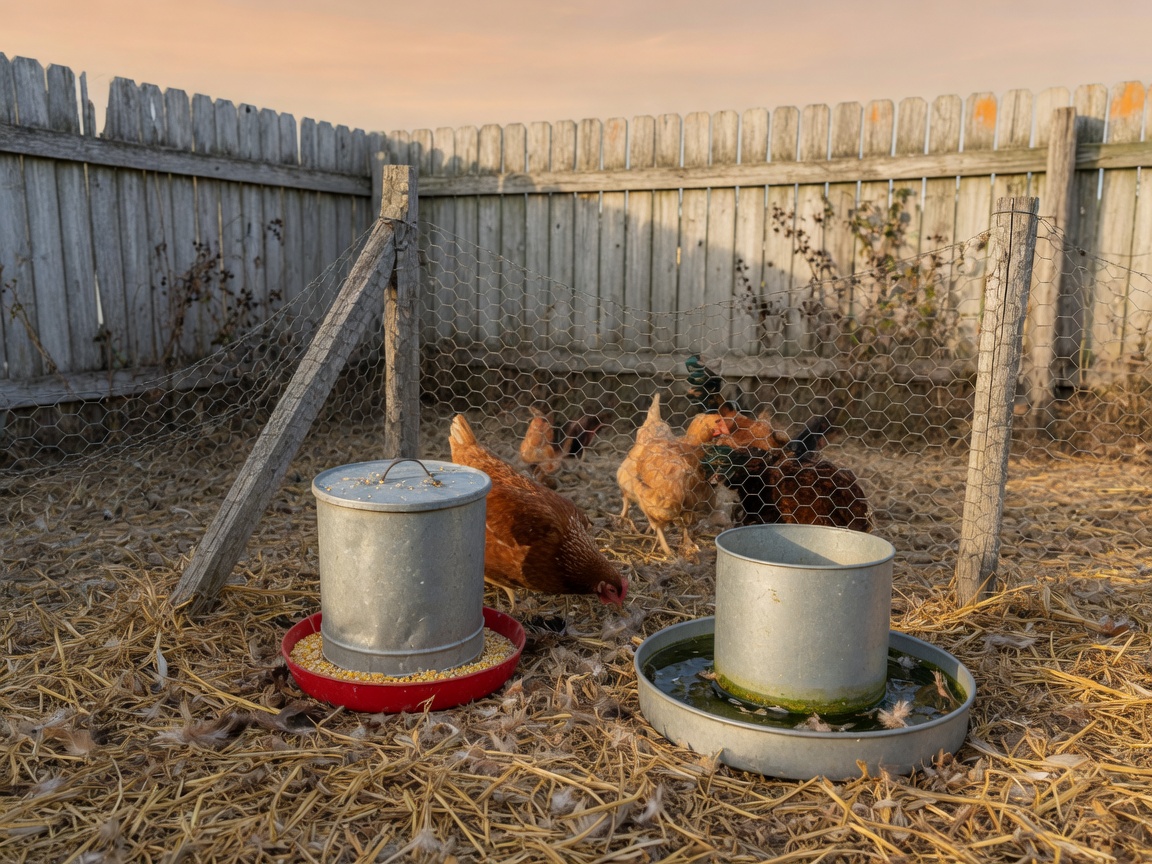
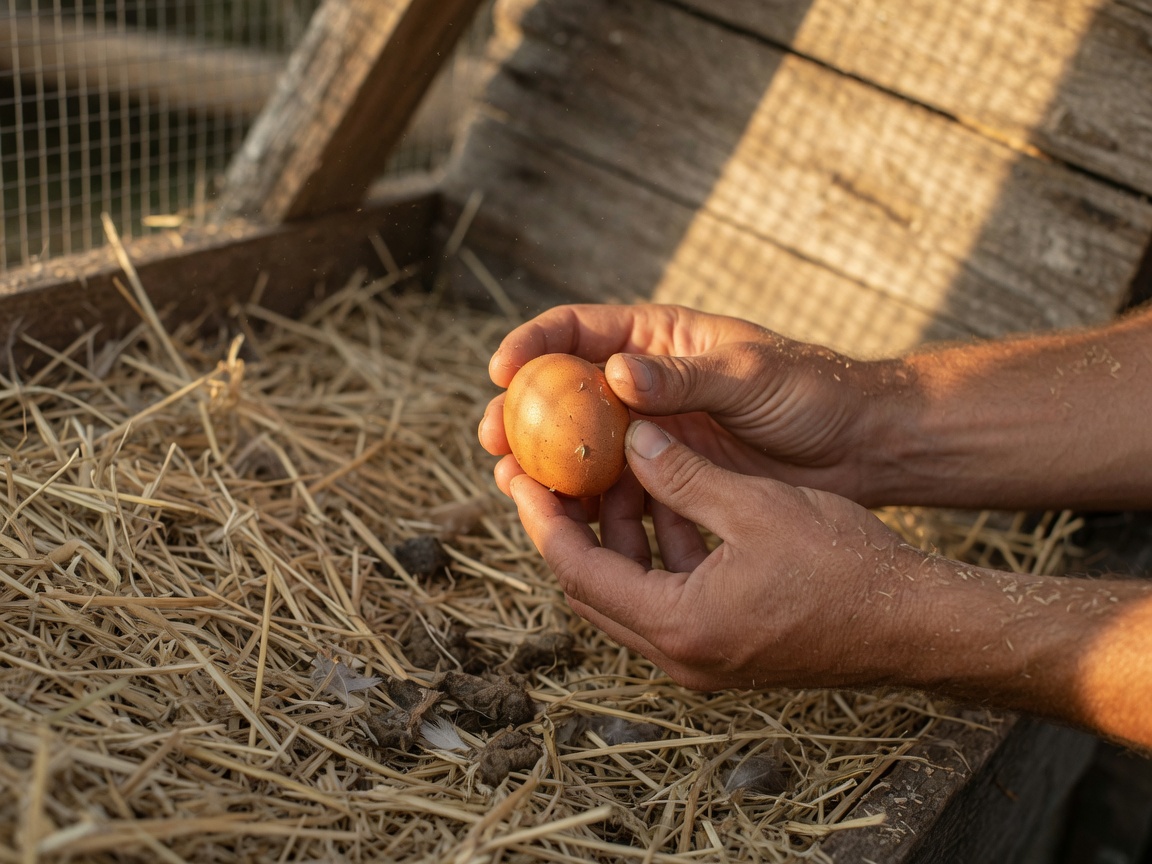
When it finally comes, the first egg is going to be small. A “pullet egg” is often half the size of what she’ll settle into, and it can be oddly shaped, wrinkled, or missing a proper shell entirely — just a rubbery membrane. One of my first pullet eggs was so tiny my daughter thought a bird had gotten into the coop and laid it.
None of that is a problem. The plumbing is coming online and it takes a few weeks to smooth out. You may also get a stretch of every-other-day laying before she finds her rhythm, and a double-yolker or two along the way. Give it three or four weeks. By then you’ll know what a normal egg from that hen looks like, and you can start actually collecting and storing your fresh eggs instead of running to the coop every hour.
The honest bottom line
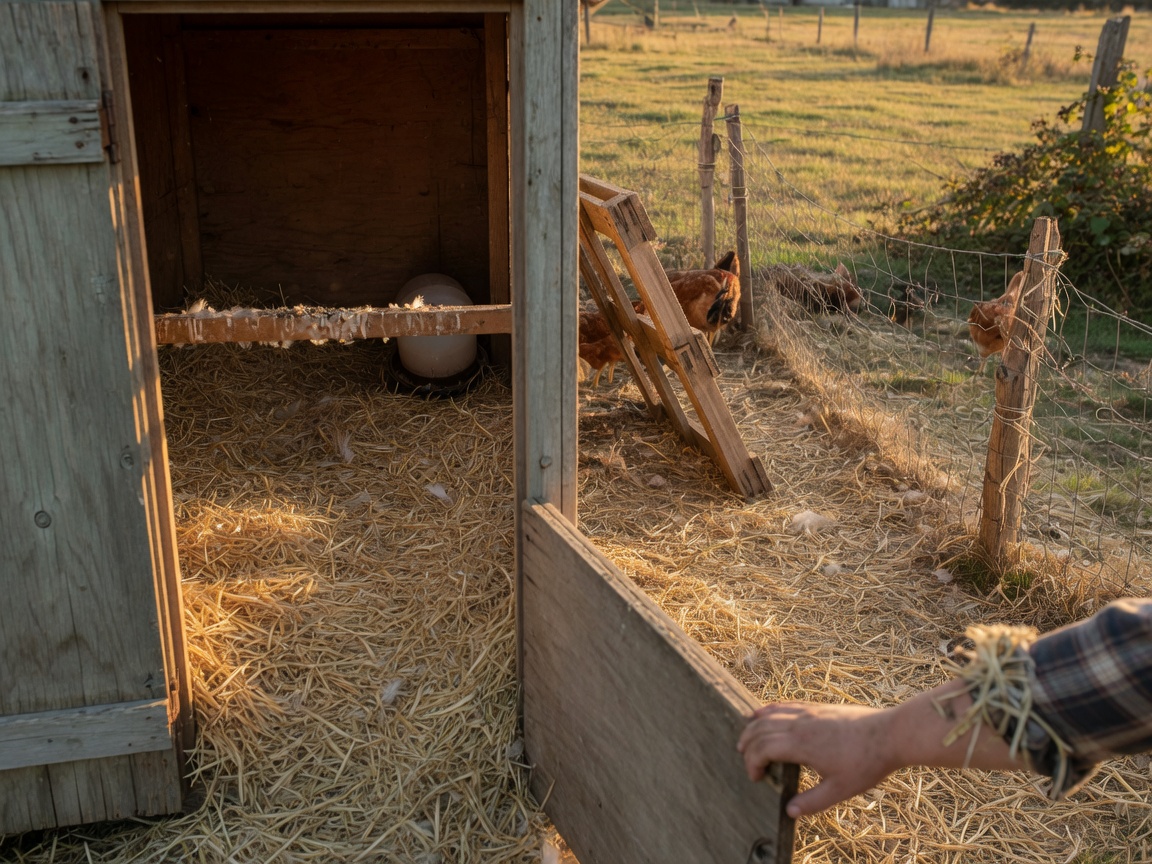
If you did nothing wrong and your birds just aren’t laying yet, the answer is almost always the same two words: keep waiting. A healthy pullet of a decent laying breed, on layer feed, with clean water and a lengthening day, will lay when she’s ready — and hovering doesn’t speed her up. Check the comb, watch for the squat, get the nest boxes ready, and let her get there.
I walk through the whole first-year timeline — chicks to brooder to coop to that first egg, month by month, with the breed and feed calls laid out — in my book, Raising Backyard Chickens for Beginners. If you’re in the wait right now, the chapter on point of lay is the one that’ll set your mind at ease about what’s normal and what isn’t.
