How to Start Keeping Coturnix Quail in Your Backyard
How to start keeping coturnix quail: space, brooding, feed, water, laying age, and the honest downsides to weigh before you add a quail run to your yard.
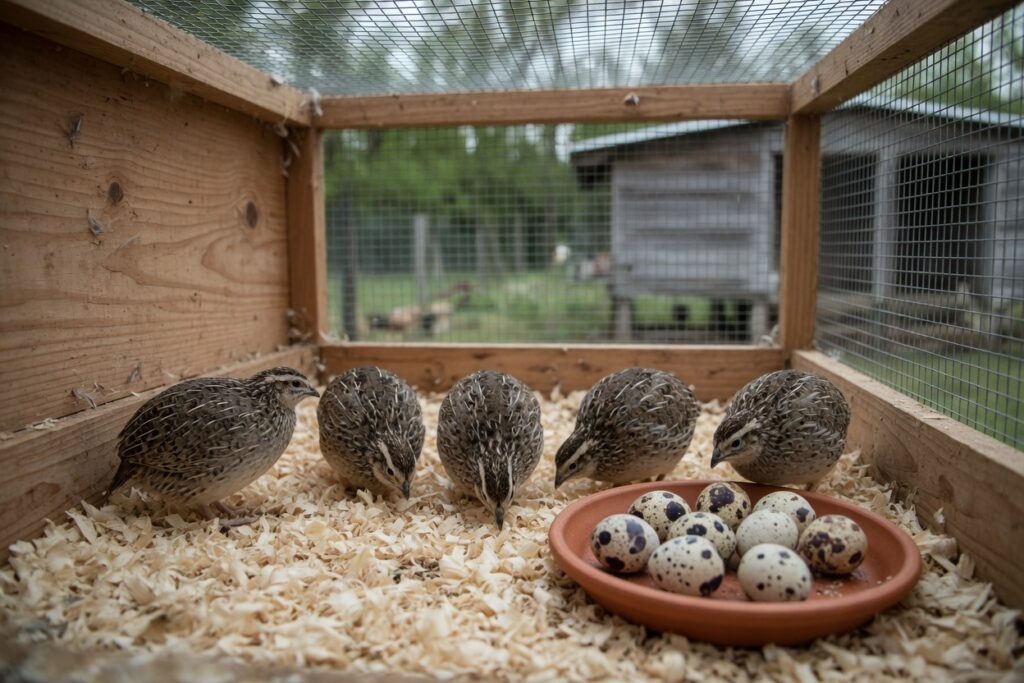
The first coturnix quail egg I ever collected was the size of my thumb and still warm, and I stood in the quail run in my slippers feeling ridiculous for how pleased I was. My husband asked from the porch if the chickens knew I’d been cheating on them. They did not. They had opinions about it later.
Quail are the small-flock keeper’s side project. They fit in a corner of the yard, they start laying at about six to eight weeks, and a handful will fill a breakfast skillet most mornings. They are also not chickens, and the things I knew about chickens only half-helped. If you are thinking about adding a quail run this winter so you’re ready in spring, here is what I wish I’d had written down.
Check the rules before you buy a single egg

Start with your state and your town. Coturnix quail are legal and common in most of the country, but a few states and some counties restrict or license game birds, and a subdivision’s HOA may count quail as poultry or as something stranger. I called the Knox County extension office and my own subdivision’s board before I ordered. It was a ten-minute call and it saved me from guessing.
The upside is that quail are quiet. Hens make a soft trill and the males crow a short, raspy call, but nothing like a rooster. A neighbor three yards over won’t hear it through a closed window.
What coturnix quail actually are

Coturnix are a domesticated quail bred for eggs and meat, small, brown speckled birds about the size of your fist when grown. They are fast. A chick that hatches today is grown at six weeks and laying shortly after, and a hen typically lays near daily for much of her first year and tapers after that.
They are also short-lived by chicken standards. Plan on two to three years, with the best laying in the first. That is the part I wish someone had said out loud before I got attached. If you get attached to a laying bird, know the calendar before you do.
Space and housing

Quail do not roost. They live on the ground, so a tall chicken coop with perches is the wrong tool. The most common backyard setup is a low hutch or a floor-style enclosure, roofed, with solid sides for draft protection and wire at the front for air.
A standard rule of thumb is about one square foot per bird, and I give mine more. Overcrowding gets quail picking on each other quickly. Keep the height low, around 12 inches inside, because a startled quail launches straight up and can crack its head on a high ceiling. Use half-inch hardware cloth on any wire, never chicken wire. A raccoon will reach through chicken wire and pull a bird apart, and a snake will go through any gap wider than a pencil. This is the same predator-proofing logic I use in the chicken run, only scaled down and tighter.
Put the housing somewhere you can see it from the kitchen window. I lost three birds in my first month to a possum I never saw, because the hutch sat behind the shed where I wasn’t looking.
Brooding quail chicks

Quail chicks are tiny, about the size of a bumblebee when they hatch, and they need heat. Run the brooder at around 95 degrees for the first week and drop it about five degrees each week until they’re feathered at roughly four to five weeks. If you have brooded chicks before, the setup is similar to the one in my first-chick brooder checklist, but a few things change.
Cover the floor with something that gives their tiny feet traction. I use a thin layer of hemp bedding over a paper towel for the first days, then bedding alone. Slick floors can splay a chick’s legs, and that’s very hard to fix once it happens.
Feed a gamebird starter with 24 to 28 percent protein, not a standard 18 percent chick starter. Quail grow fast and need it. And water is where I nearly lost chicks. They are small enough to drown in a quarter inch of it. I use a shallow dish filled with clean marbles or pebbles so they can drink from between them, and I add a pinch of Sav-A-Chick in the first few days if they’re stressed from shipping. Everything I wrote in how to keep baby chicks hydrated in the first week applies, only more so.
Feeding and water for adult birds

Adult layers eat a gamebird or flock-raiser feed with around 20 percent protein, plus a bit of grit and a calcium source like crushed oyster shell on the side. They eat little, roughly an ounce a day, so a ten-pound bag lasts a small flock a long time.
For water I switched to a nipple-and-cup waterer once the birds were grown. Quail fling bedding into open dishes constantly and I was scrubbing every morning. The cup is a decent size for an adult quail to reach, though I’ll be honest that it took a few days to train them, and a few never took to it. I keep a small open dish in reserve for the holdouts.
Honest downsides
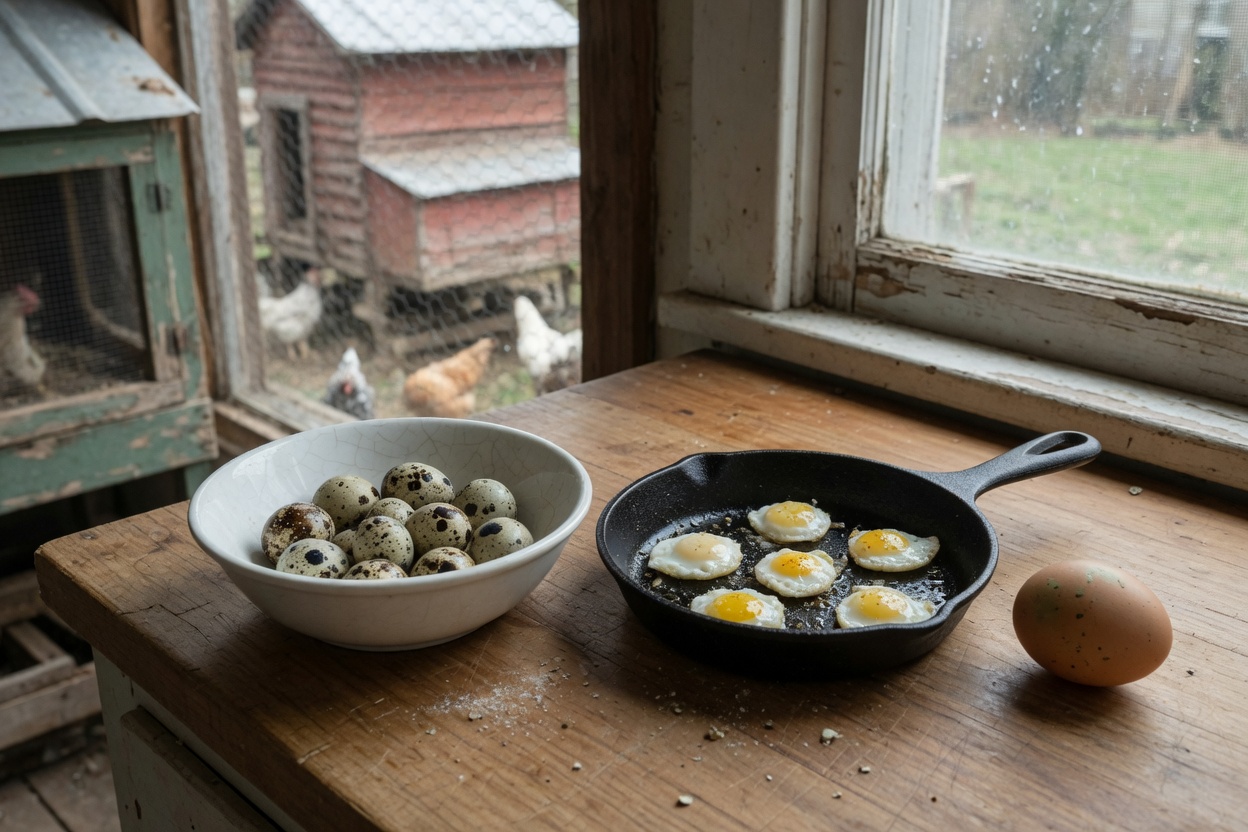
Quail eggs are tiny, and cracking a dozen for breakfast takes patience. The flock smells if the bedding isn’t kept dry, and the same ammonia problems from the chicken coop show up in a small hutch quicker, so read how to reduce ammonia in a chicken coop before you need it. Males will fight if you keep too many. One male to four or five hens is the usual ratio.
They aren’t cheaper than chickens, either. Counting a hutch, a heat source, feed, and bedding, your first dozen quail eggs cost more than a carton at the store, and they will for a good while. If you want eggs for the money, buy eggs. If you like keeping birds and have a corner of the yard, quail are a fun, modest addition.
Where to go from here

Make the calls this month, sketch the hutch, and price the parts. In late winter, order eggs or chicks timed so the brooder is set up two days before they arrive. I walk through the whole first-year timeline for chickens in Raising Backyard Chickens for Beginners, and the habits carry over to quail. If you are building a small flock from scratch, it’s the book I’d keep next to your coffee: Raising Backyard Chickens for Beginners.
