How to Start a Fall Container Garden on Your Balcony
How to start a fall container garden on a balcony — which cool-season crops to plant in late summer, how to count back from your first frost, and keep pots cropping.
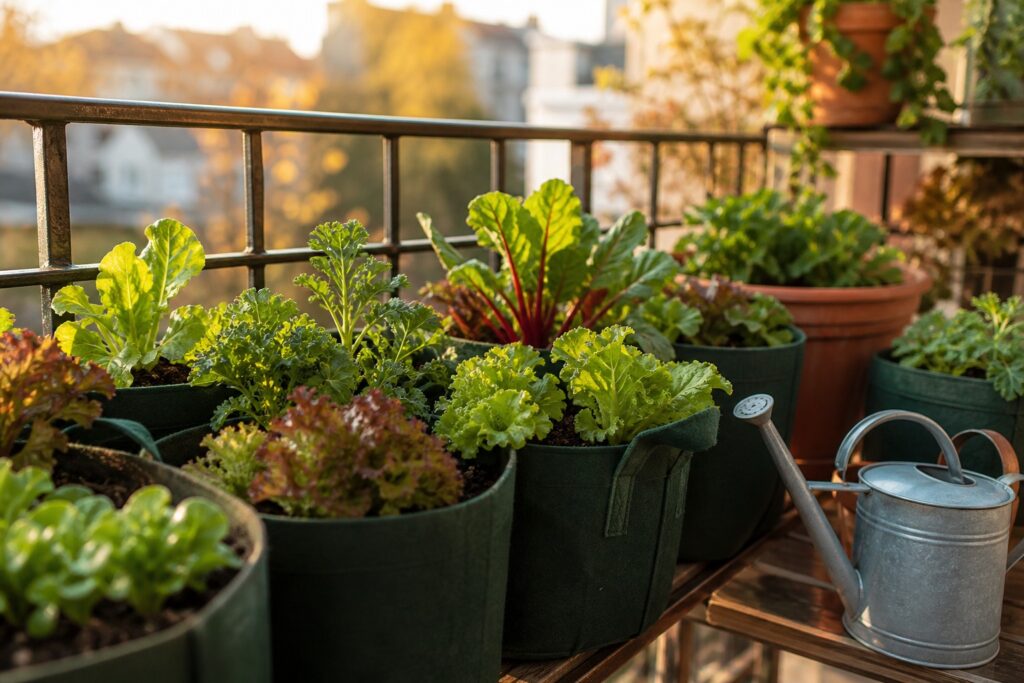
Late summer is the moment most balcony gardeners quietly give up. The tomatoes are winding down, the basil’s gone leggy and bitter, and it starts to feel like the season is over and there’s nothing to do but pull everything out.
It isn’t over. You have a whole second garden in front of you.
A fall container garden is honestly one of my favorite things to grow, and I think it’s the most underrated. The weather cools into the range that leafy greens actually prefer, most of the summer pests have packed up and left, and the plants that sulked in July suddenly take off. I’ve had better lettuce in October than I ever manage in June. Here’s how to start one on a balcony or patio, using the pots you already have.
You’ll also want fresh potting mix to top up your pots — the summer’s mix is spent and packed down. I don’t have a bagged mix in a listing I’d stand behind to link yet, so buy a good peat-free or compost-based container mix locally, and I’ll add one here when I’ve found one I trust.
First, count back from your first frost
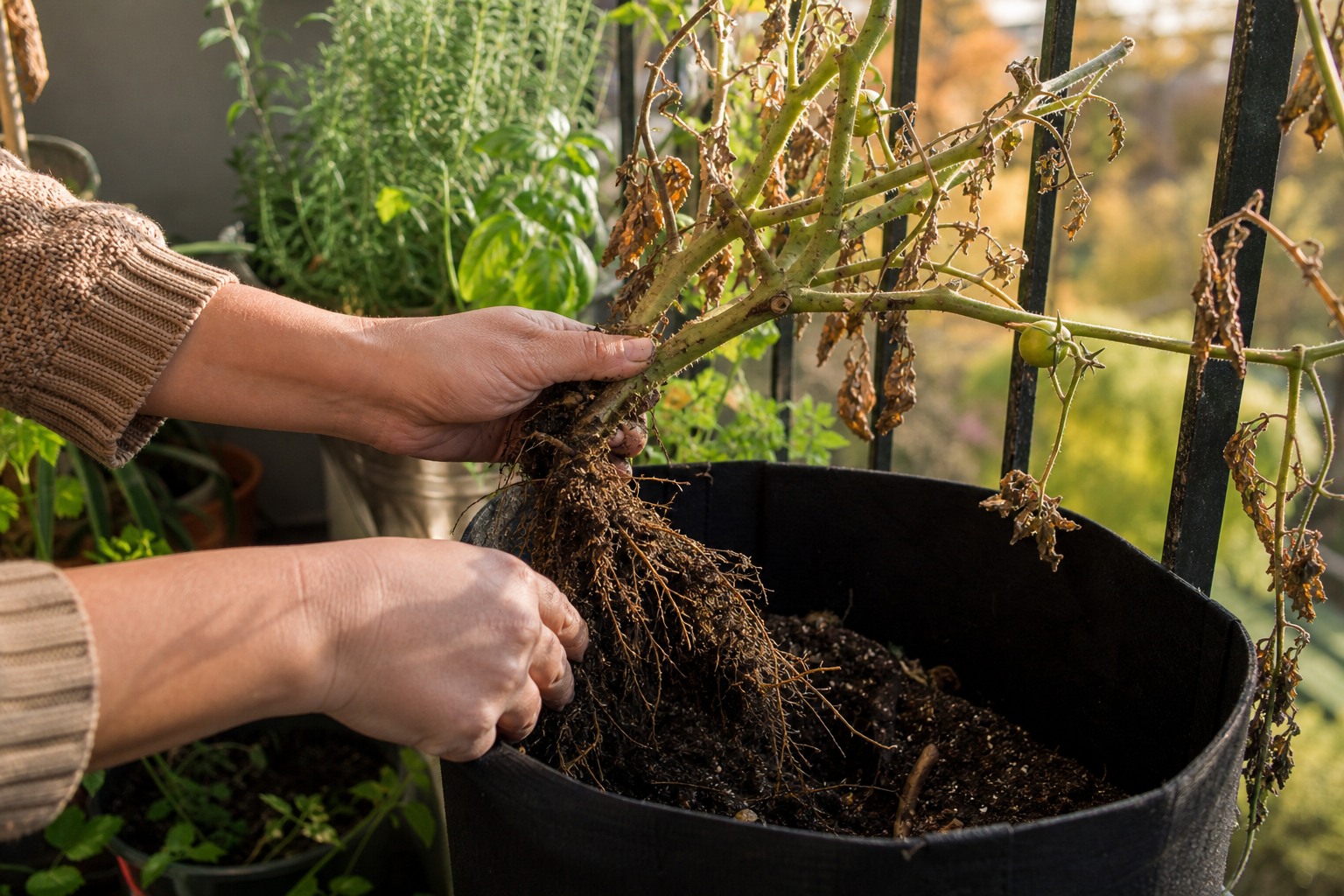
The one number that makes or breaks a fall garden is your average first frost date. Look it up — your local extension office or a decent almanac will have it — and then do a little backward math.
Take what you want to grow, find its days to maturity on the seed packet, and add roughly two weeks, because growth slows as the days shorten and the light weakens. Count that total back from your frost date, and that’s your sow-by window. A 45-day loose-leaf lettuce, for example, wants to go in about two months before your first frost to give you a real harvest.
Here’s the forgiving part, though. Most fall crops are leafy greens, and greens don’t need to “finish” the way a tomato does — you eat them at any size. So even if you’re a little late, you’ll still get baby greens and cut-and-come-again leaves. If you’re mild-winter like I am in the Pacific Northwest, a lot of this will crop right through fall and limp happily into winter under a little cover.
Clear and refresh your summer pots
You don’t need new containers. You need to reset the ones you have.
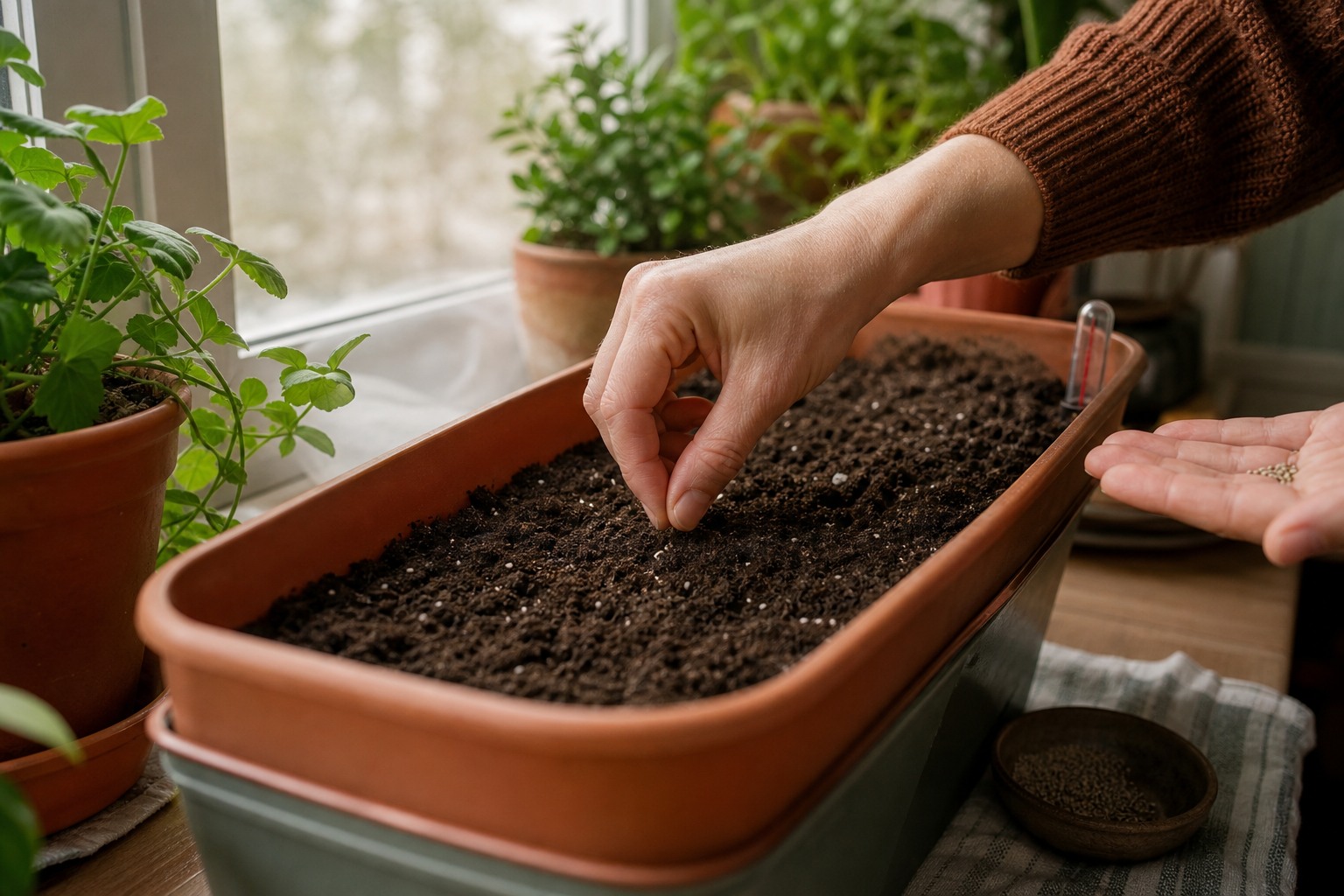
Pull out the spent summer plants — the exhausted tomato, the leggy basil, the cucumber that gave up — roots and all. Don’t just replant into the tired, compacted mix that’s left; a whole summer of tomatoes has stripped it. Tip out the top half, break up what’s left, and top the pot back up with fresh mix and a little all-purpose feed worked in. That’s enough to carry a crop of greens.
The fabric grow bags and self-watering planters I use all summer just get emptied, refreshed, and replanted. Same pots, second season.
What to plant now for fall
This is the fun part. Here’s what actually earns its space in a cool-season container:
Leafy greens are the whole point. Loose-leaf lettuce, spinach, arugula, and the Asian greens — mizuna, tatsoi, bok choy — are fast, forgiving, and genuinely happier in cool weather than in summer heat. Many of them get sweeter after a light frost. Sow a pinch every couple of weeks and you’ll never be without a salad.
Chard and kale are the workhorses. Both crop for months, both are cut-and-come-again, and kale in particular shrugs off cold that would flatten anything else. A few plants in a grow bag will feed you well past the first frosts.
Cool-season herbs come back to life. Cilantro and parsley, which bolt and fade in summer, settle right down in fall and last for ages. Chives keep going until real cold.
A few roots, if you’ve got the time. Radishes are ready in about a month and don’t mind cool weather at all. Scallions are nearly indestructible. Baby carrots and beets are possible if you sow early enough, just smaller and slower than their spring versions.
Skip the sun-hungry fruiting crops — tomatoes, peppers, squash. They need heat and long days you no longer have, and you’ll only be disappointed. Fall is a greens-and-roots season, and that’s a genuine feast, not a consolation prize.
Watering changes when the weather cools
The single biggest fall mistake is watering on your summer schedule. Don’t.
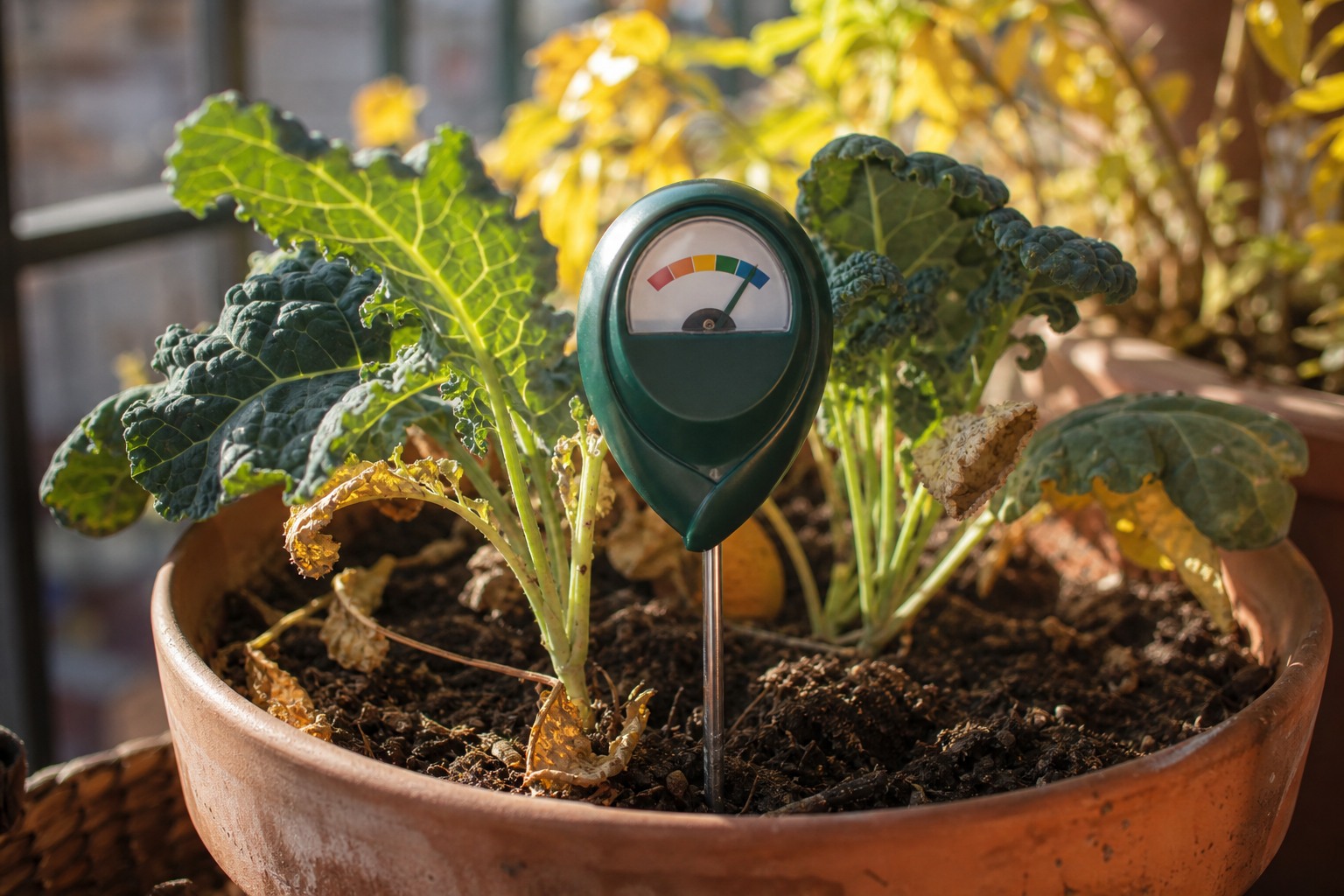
Cooler air and shorter days mean pots dry out far more slowly, and the daily soak that kept them alive in August will drown them in October. Overwatering rots more fall container plants than anything else. I check with a soil moisture meter — push the probe to root level and only water when it actually reads dry, which in fall might be every few days instead of every day.
When you do water, do it in the morning so the leaves and soil surface dry before the cold night settles in — wet foliage going into a chilly evening invites mildew. A long-spout watering can lets you get the water down at the soil, under the leaves, right where you want it.
Stretch the season a few more weeks
A little effort at the edges buys you a lot more harvest.
Chase the light. The sun sits lower and swings south in fall, so a spot that was blazing in July might be shaded by October. This is exactly why I grow so much in grow bags — they’re light enough to shuffle to the brightest, warmest corner as the season shifts, usually against a south-facing wall that holds a little daytime heat.
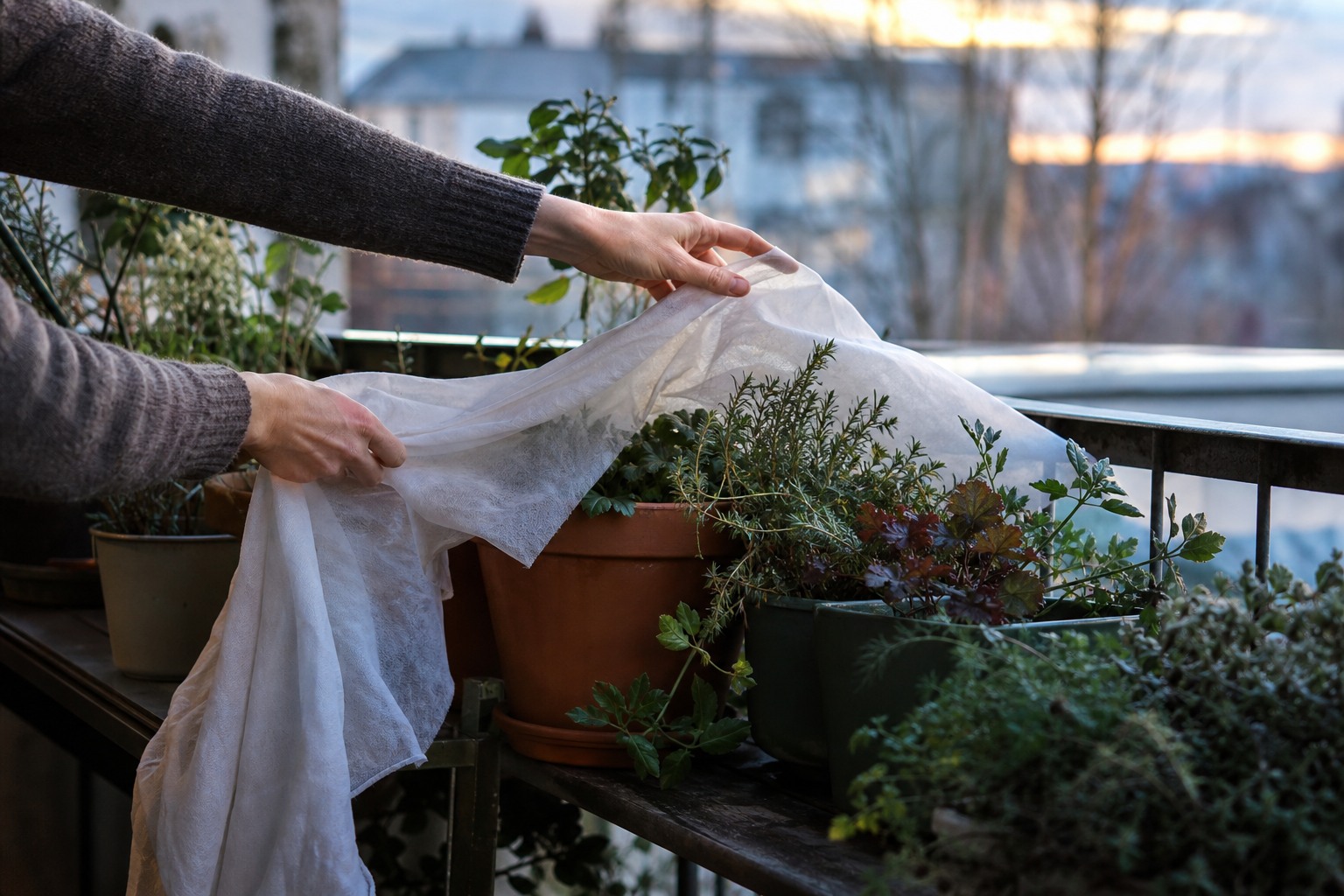
Cover on frost nights. When the first frost is forecast, throw an old sheet, a towel, or a length of frost cloth over your grouped pots in the evening and pull it off in the morning. It’s enough to protect tender greens through a light freeze, and the cold-hardy things — kale, chard, mature lettuce — often don’t even need it.
Group your pots together, too. Huddled up, they shelter each other and hold warmth better than pots scattered around a rail.
Do those small things and a balcony that looked finished in August will still be feeding you in November. Otto has already claimed the one corner that holds the afternoon warmth, which is, naturally, the exact spot I want for the lettuce.
I lay out the whole small-space system — pot sizes, mixes, what to grow in each season — in Small-Space Big Harvest. This post is the fall question. The book is how you keep a space smaller than a yard producing all the way around the year.
