Best Winter Supplies for Backyard Chickens: My Short List
The best winter supplies for backyard chickens, from a Tennessee keeper who learned it the cold way: thawed water, dry bedding, and the few extras worth buying.
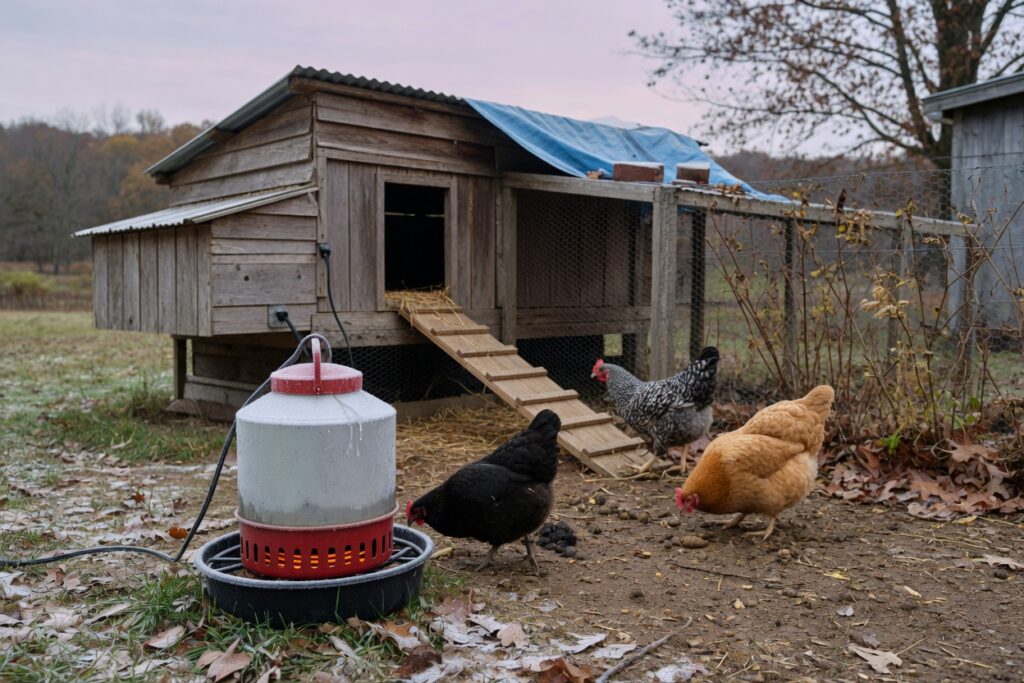
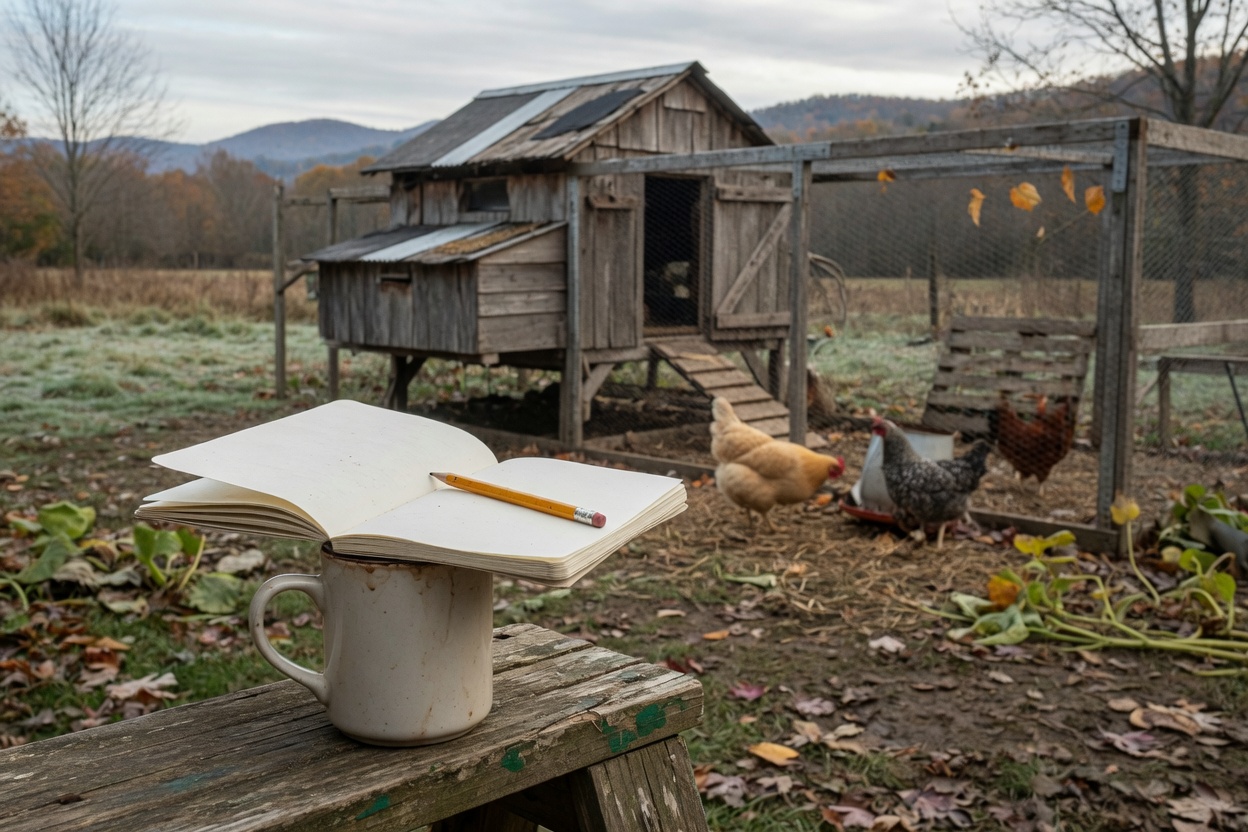
Every October I do the same thing. I walk the run with a notebook and a cup of coffee, and I write down everything that went wrong last winter before the first hard frost reminds me. Frozen waterer on the first 19-degree morning. A damp corner of bedding that went sour by February. A hen who looked flat and off her feed during a cold snap and perked up once she had something to drink that wasn’t a slush puddle.
That notebook is where this list comes from. I keep a small flock of twelve on a gravel-and-woods lot outside Knoxville, and our winters are mild until they aren’t. Cold is not really what hurts chickens. Frozen water, wet bedding, and a few bad habits do the damage. So my winter shopping list is short, and almost all of it is about water and floor.
If you’re a first-year keeper, here is the whole list in one place. Buy these in October, not in the week the forecast turns.
Water first, because everything else follows it

If you only fix one thing before winter, fix the water. Chickens drink less when it’s cold and the water is a block of ice, and a hen that isn’t drinking isn’t eating well or laying well either. In my first winter I carried warm water out twice a day and cracked ice with my boot heel. It works. It also gets old by the second week of January.
My setup now is a heated waterer base under a galvanized double-wall fount. The base is a flat, thermostat-controlled plate. It only warms when the temperature drops toward freezing, so it isn’t running all winter. The fount sits on top and holds three gallons, which gets my girls through a short winter day.
The pros are plain. I stopped hauling water, and the girls stopped standing around a frozen disc looking at me. The cons are just as plain. It needs an outdoor-rated outlet and a cord routed where nothing can chew or trip it, and I’d run it on a GFCI. If your run has no safe power, skip the heated route and plan on thermos refills instead. I’m not going to talk you into a cord across a snowy yard. Coops burn down that way.
One thing I learned the hard way: put a metal fount on that base, never plastic. A plastic waterer on a heated plate warps and leaks, and I came out one morning to a frozen puddle across the floor of the coop. The setup steps are in my heated waterer base how-to, and if you’re still comparing options, my heated waterer roundup covers the rest.
The nipple-and-cup waterer is the one I’d call honest-but-seasonal. The water stays clean, with no shavings or droppings floating in it, and I love it from spring through fall. But the nipple tips freeze in a hard cold snap, and a frozen tip means a thirsty bird. I keep mine for the brooder corner and for milder winter days, and the heated fount handles the real cold. If you only want to buy one waterer for winter, buy the fount and the base.
The floor: dry bedding is half of winter
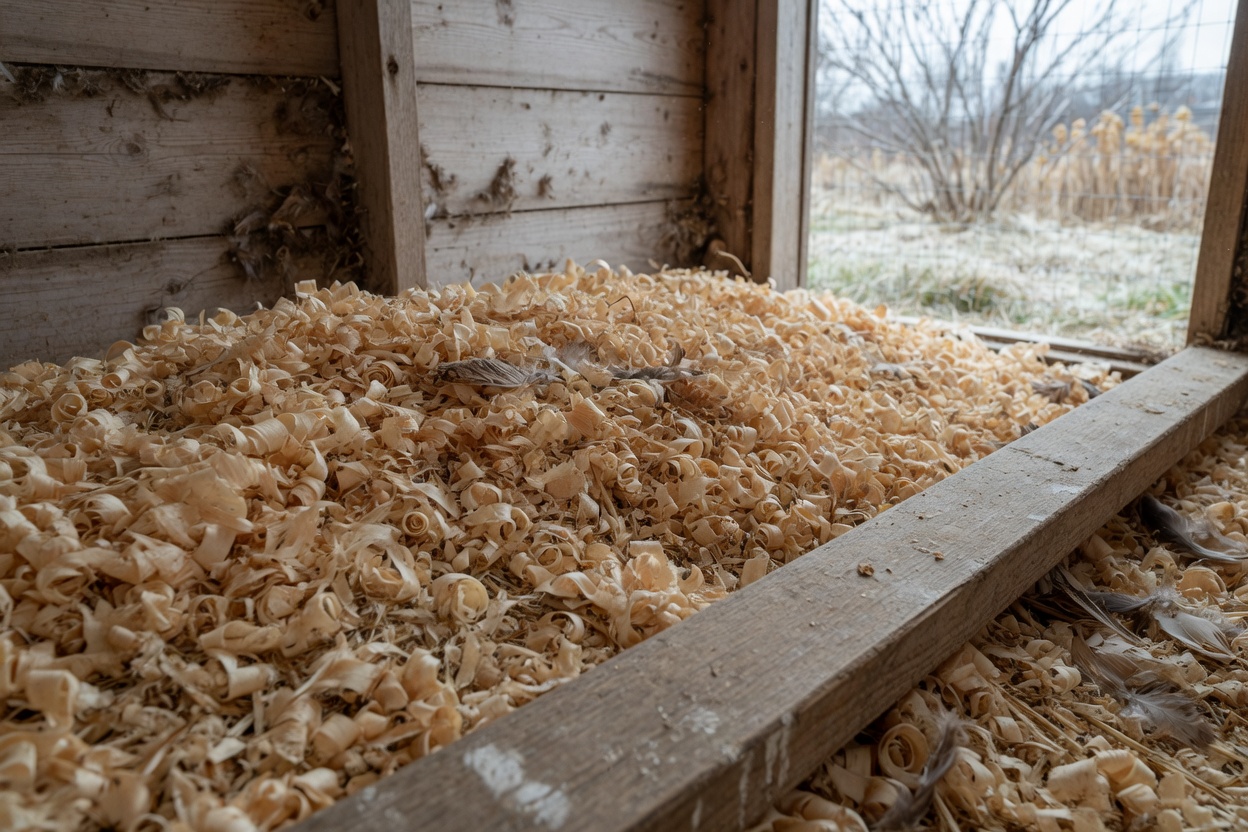
The second thing that goes wrong in winter is damp. Wet bedding makes ammonia and cold boards, and in a closed-up coop it feeds the moisture that lands on combs and wattles overnight. I go through hemp bedding for the nest boxes and the drier part of the coop floor, and it earns its spot.
What I like: it soaks up moisture well, it stays loose, it doesn’t pack down into a mat the way fine shavings can, and it composts beautifully come spring. What I don’t love: it’s not the cheapest option on the shelf, and it arrives compressed, so you fluff it into a real layer or it lies there thin. I still keep pine from the feed store for the bulk of the floor. If you want the full routine, I wrote up how to use hemp bedding for a warmer winter coop. My deep litter method post covers building the bed up over the season.
The cabinet item: electrolytes
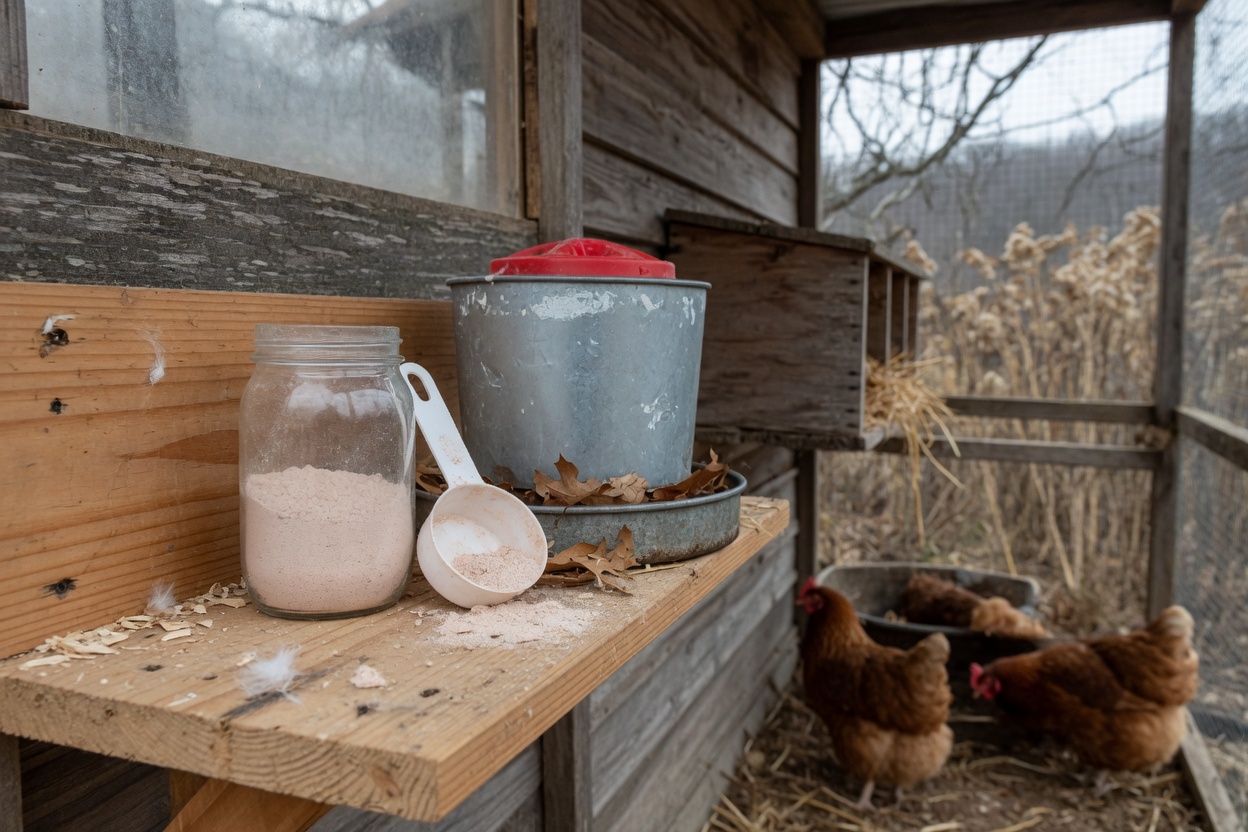
I keep one flock-health item in the house all winter, and it’s Sav-A-Chick electrolytes. It’s an over-the-counter powder, and I reach for it when a bird looks stressed. That might be after a cold snap, a rough molt, or a predator scare in the night. I follow the directions on the label, and if a hen still looks off after a day, I call my vet or the extension office instead of guessing. It’s a support item, not a treatment, and it only helps if it’s already on your shelf when the bad morning comes.
What I’d skip, and what I don’t have a link for
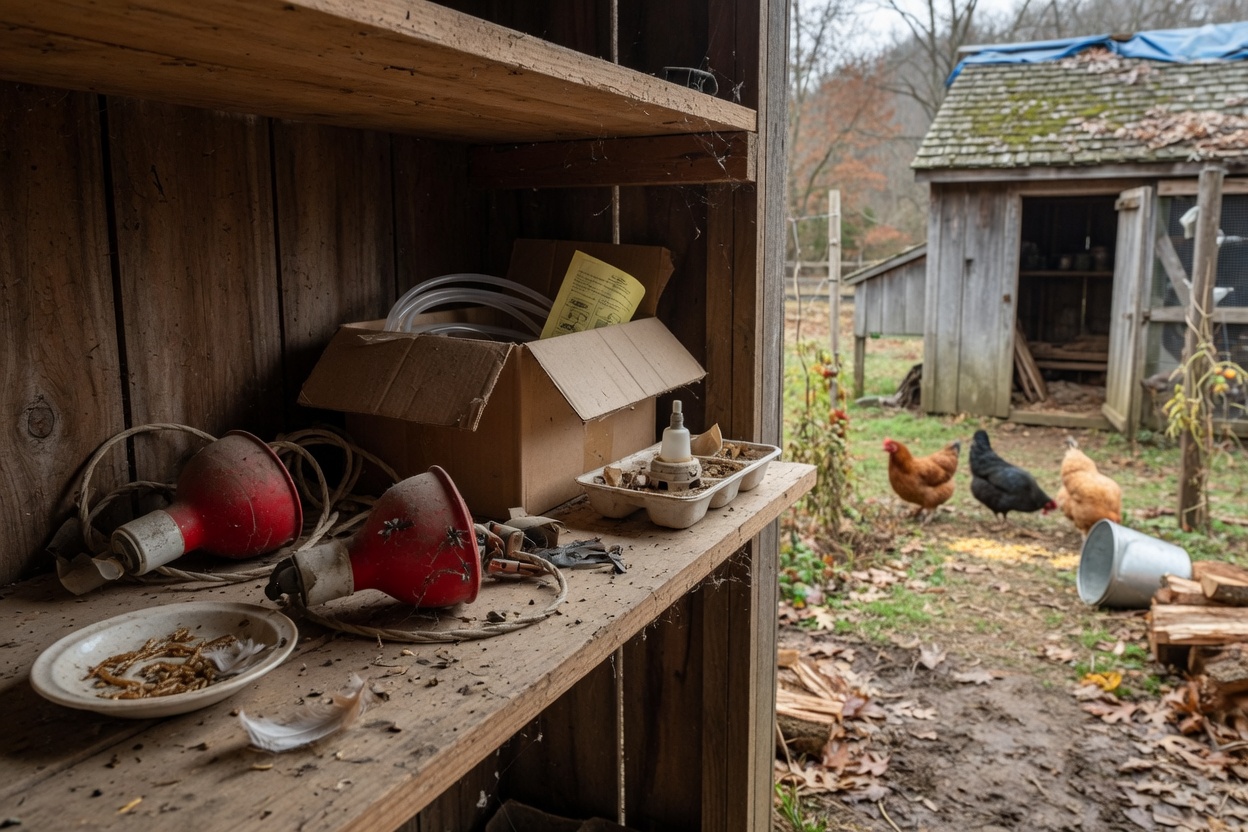
A few things on every winter list that I won’t point you at:
– Heat lamps in the coop. Chickens handle cold far better than most new keepers expect, and a lamp over dry bedding is a fire risk I won’t recommend. A draft-free coop with good high ventilation does more than any heater.
– A fancy winter feeder. Feed matters more than the feeder, and I cover what to feed in what to feed chickens in winter.
– Petroleum jelly on every comb. Frostbite prevention is mostly dry air and a dry floor. My frostbite post explains it.
I’ve also left out gear I haven’t run through my own coop. When I haven’t tested something, I’d rather say so than send you to a listing.
My October checklist
Here’s the order I actually work in:
1. Test the cord and outlet before the first freeze, not after.
2. Set up the base and fount and watch the plate cycle on a cold night.
3. Muck out once, then lay fresh bedding on a dry floor.
4. Check the ventilation high above the roosts. Moist air has to have somewhere to go.
5. Put the electrolytes on the shelf, where you can find them in the dark.
The rest of the coop prep is in my winterize your chicken coop checklist, and it all fits together with the plan above.
I go deeper on the whole cold season in Raising Backyard Chickens for Beginners, covering water, bedding, feed, molt, frostbite, and what a normal winter looks like for a first-year flock. This list gets you through the morning chores. The book covers everything else that comes up before spring.
