The Best Cold-Hardy Chicken Breeds for Beginners
The best cold-hardy chicken breeds for beginners, from a keeper who's wintered a mixed flock in Tennessee — which breeds shrug off the cold, and the comb trap to watch.
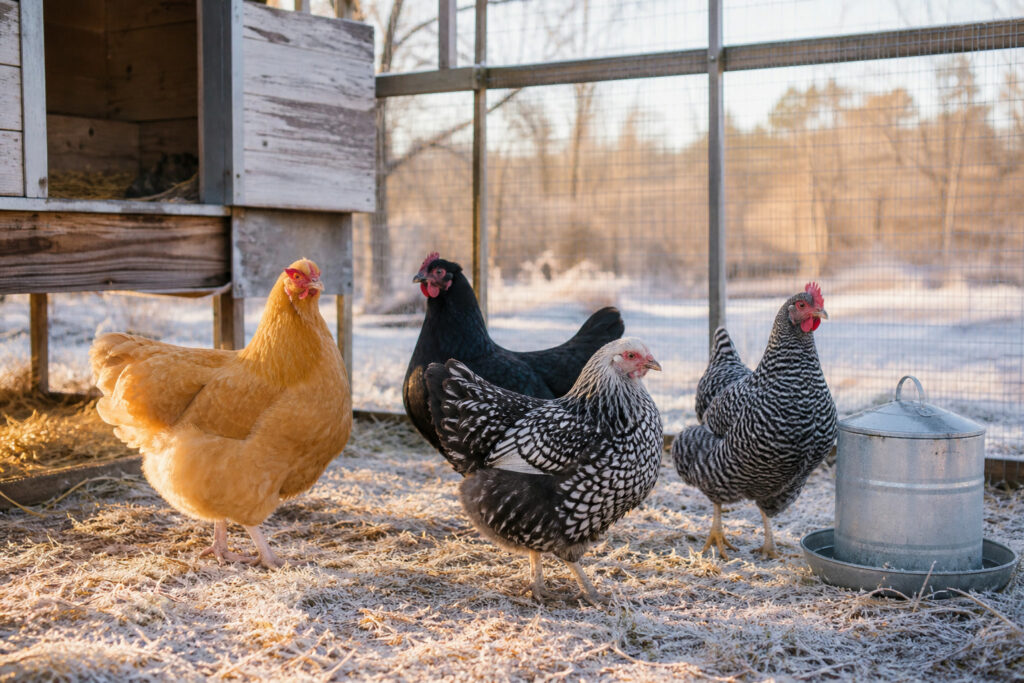
If you’re picking your first flock and you keep chickens anywhere the temperature drops below freezing, breed matters more than most people realize going in. I learned that the way I learn most things — a little the hard way. My first flock was three Buff Orpingtons out of a Tractor Supply brooder, and by dumb luck the Orpington is about the most cold-forgiving bird you can start with. It wasn’t planning. I just liked how they looked. It could have gone the other way.
Knox County doesn’t get Minnesota winters, but we get damp cold, a run of hard frosts, and the occasional real cold snap that finds every weak spot in your setup. So this is the honest version of a cold-hardy breed list — the birds I’ve kept or watched my neighbors keep, what they’re actually good at, and where each one will let you down. No breed on this list is a bad choice for a beginner. A couple are just better bets when the wind comes down off the ridge.
Before I get to the birds, one thing to get straight: cold-hardiness is real, but it’s the smaller half of the job. A dry, draft-free coop and water that isn’t frozen will carry an “average” breed through a hard winter far better than a champion breed in a damp, drafty setup with an iced-over pan. I go deep on the housing side in keeping chickens warm in winter without heat. Get that right first, then let breed be the tiebreaker.
What actually makes a breed cold-hardy
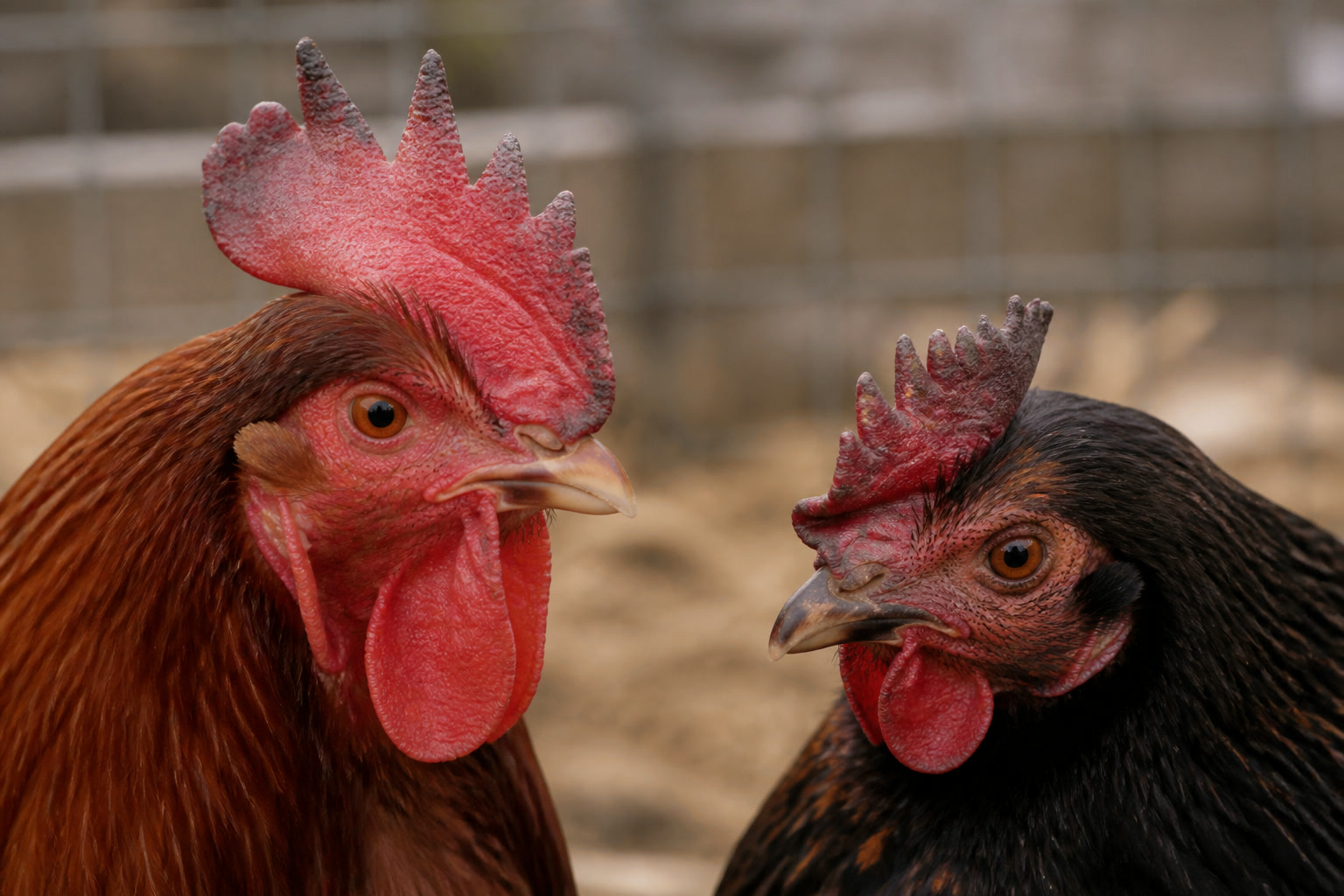
Three things, and none of them is attitude. Body size and feathering — a bigger bird with dense, fluffy plumage holds its own heat better than a small, tight-feathered one. Comb type — this is the one beginners miss. A big single comb, the tall upright kind, is the first thing to frostbite; a small rose comb or pea comb sits close to the head and stays warm. And general vigor — the calm, dual-purpose farm breeds tend to be hardy across the board, while the flighty production hybrids and the ornamental bantams are more fragile in the cold.
That comb point is worth sitting with, because it’s the difference between admiring a breed’s looks and admiring how it does in January. I walk through the prevention side in preventing frostbite on chickens, but the short version is: in a cold, damp climate, lean toward smaller combs where you can.
Buff Orpington — the beginner’s safe bet
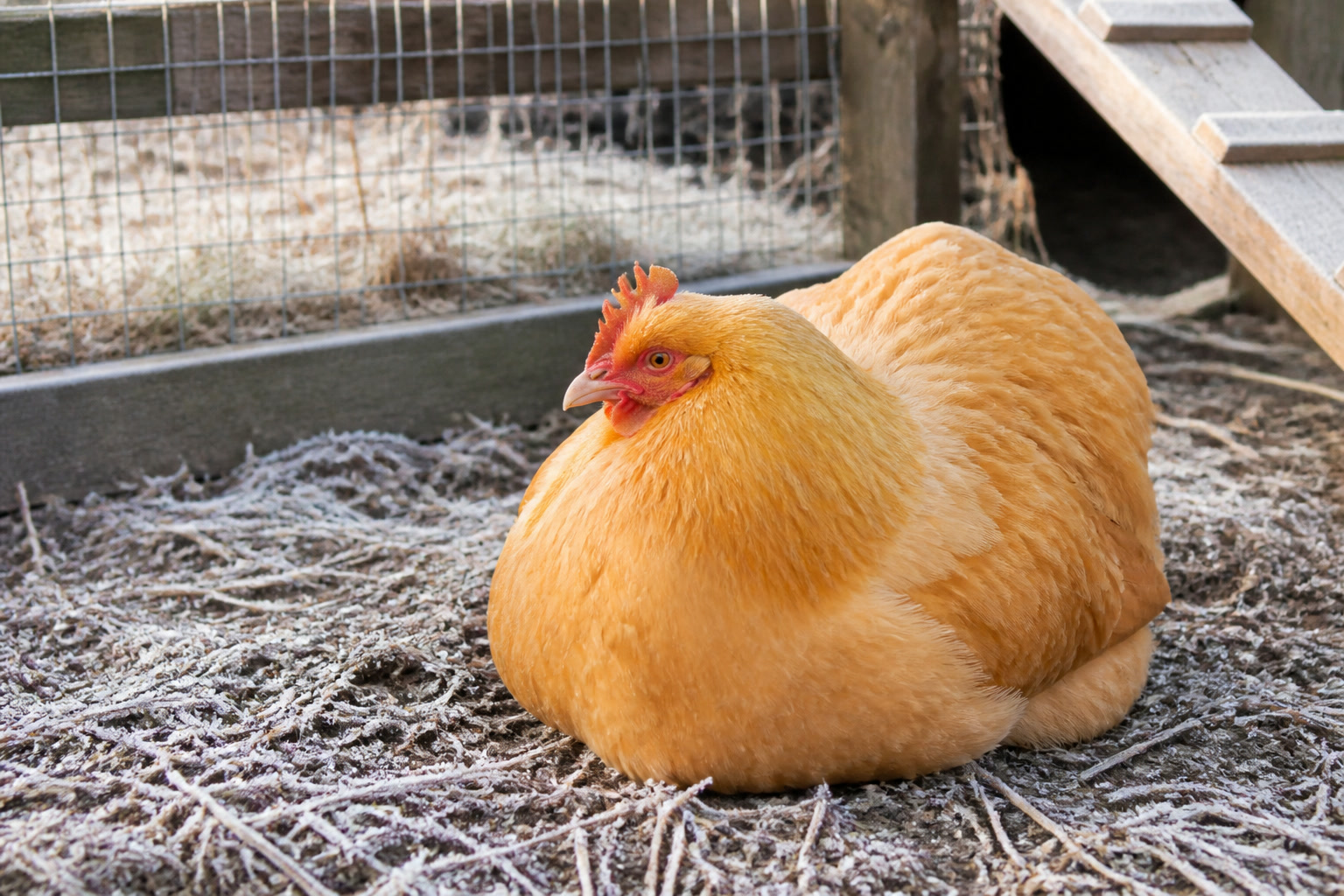
This is the one I started with, and it’s the one I still tell nervous first-timers to get. Orpingtons are big, round, and so heavily feathered they look like they’re wearing a down coat, because they basically are. They’re calm, friendly, they tolerate confinement well when the run’s a muddy mess in February, and they keep laying decently into the cold. Mine sat out frosts that had the flightier birds hiding.
The honest downside: that single comb is on the larger side, so watch the roosters and the biggest hens for comb frostbite on the worst nights. And all that fluff plus a docile temperament makes them a favorite target — a friendly Orpington won’t outrun much. But for pure cold-weather forgiveness in a beginner’s flock, it’s hard to beat.
Australorp — cold-hardy and the best layer here
When I lost birds in year one and rebuilt, Australorps were the breed I added on purpose, and they’ve been my quiet favorites since. They’re a big, sturdy, glossy-black Australian breed, calm and unbothered, and they winter beautifully. They’re also the best layer on this list by a good margin — a healthy Australorp will hand you brown eggs right through the shorter days better than most, which is exactly what you want when winter laying drops off.
Same caveat as the Orpington on the single comb, and that’s about the only knock. If I could only keep one cold-climate breed for eggs and easy temperament together, it’d be this one.
Wyandotte — the rose-comb cold champion
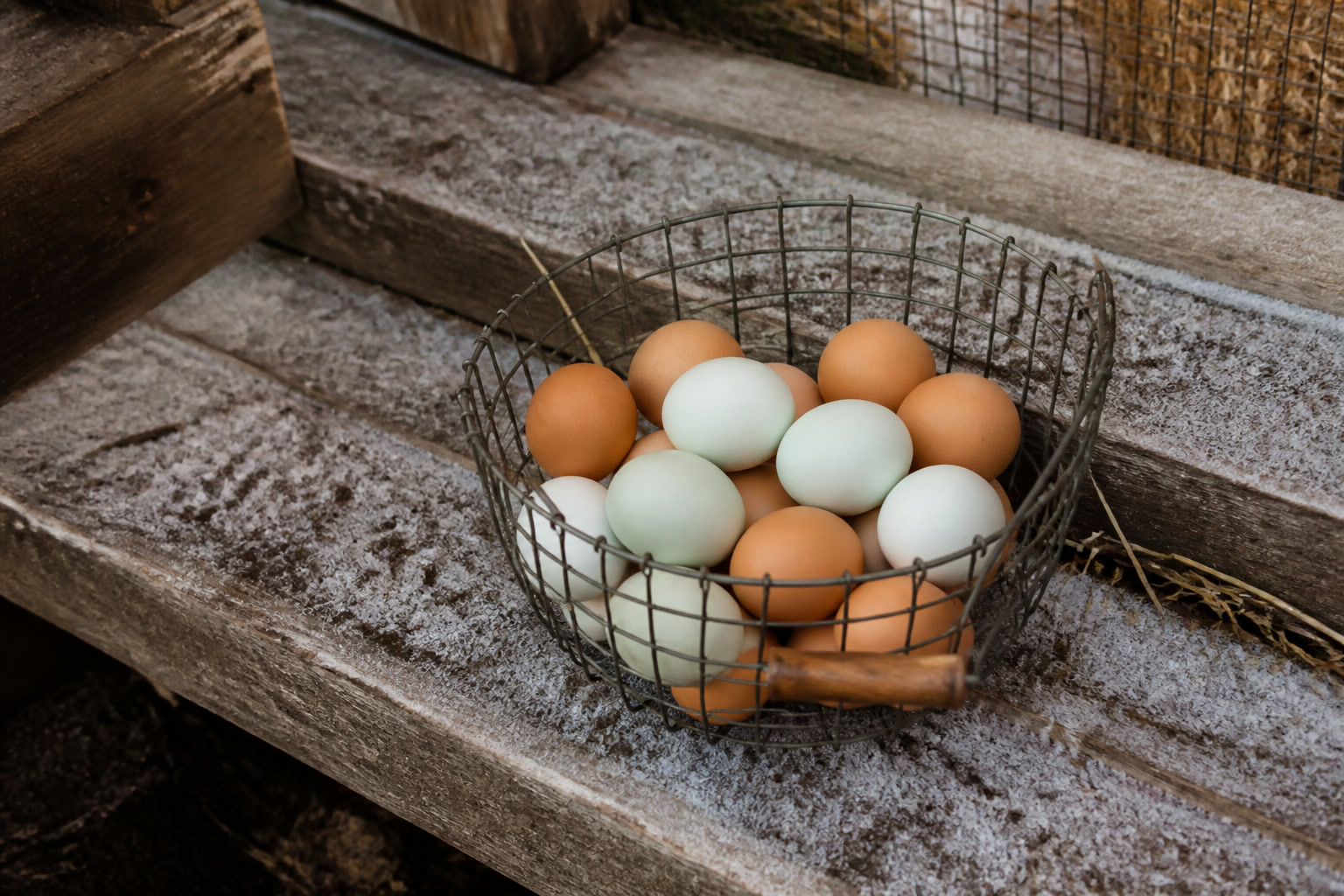
If you want the breed that’s built for cold on paper, this is it, and the reason is that little rose comb. It sits low and tight against the head, so there’s almost nothing sticking up to freeze — Wyandottes shrug off cold snaps that leave the big-combed breeds nursing black comb tips. They’re a solid, rounded, dual-purpose bird, they come in gorgeous laced patterns, and they lay well.
They can be a touch bossier in the pecking order than an Orpington or Australorp — mine have opinions — so they’re not quite as saintly with kids. But for a genuinely cold, damp yard, the rose comb alone makes the Wyandotte worth a slot in the flock.
Plymouth Rock — the reliable all-arounder
The Barred Rock (the community just calls them Plymouth Rocks) is the black-and-white bird you picture when you picture a backyard chicken, and it earns the reputation. Hardy, steady, good brown layers, and about as easygoing as chickens get. They handle cold well, forage happily, and they’re forgiving of a beginner still figuring things out. A mixed starter flock of Rocks, Orpingtons, and Australorps is a hard combination to go wrong with.
Single comb again, so the same winter watch applies. That’s really the recurring theme on this list — most of the classic hardy breeds carry a single comb, which is manageable with a dry coop and an eye on the coldest nights.
Brahma — the gentle giant for real cold
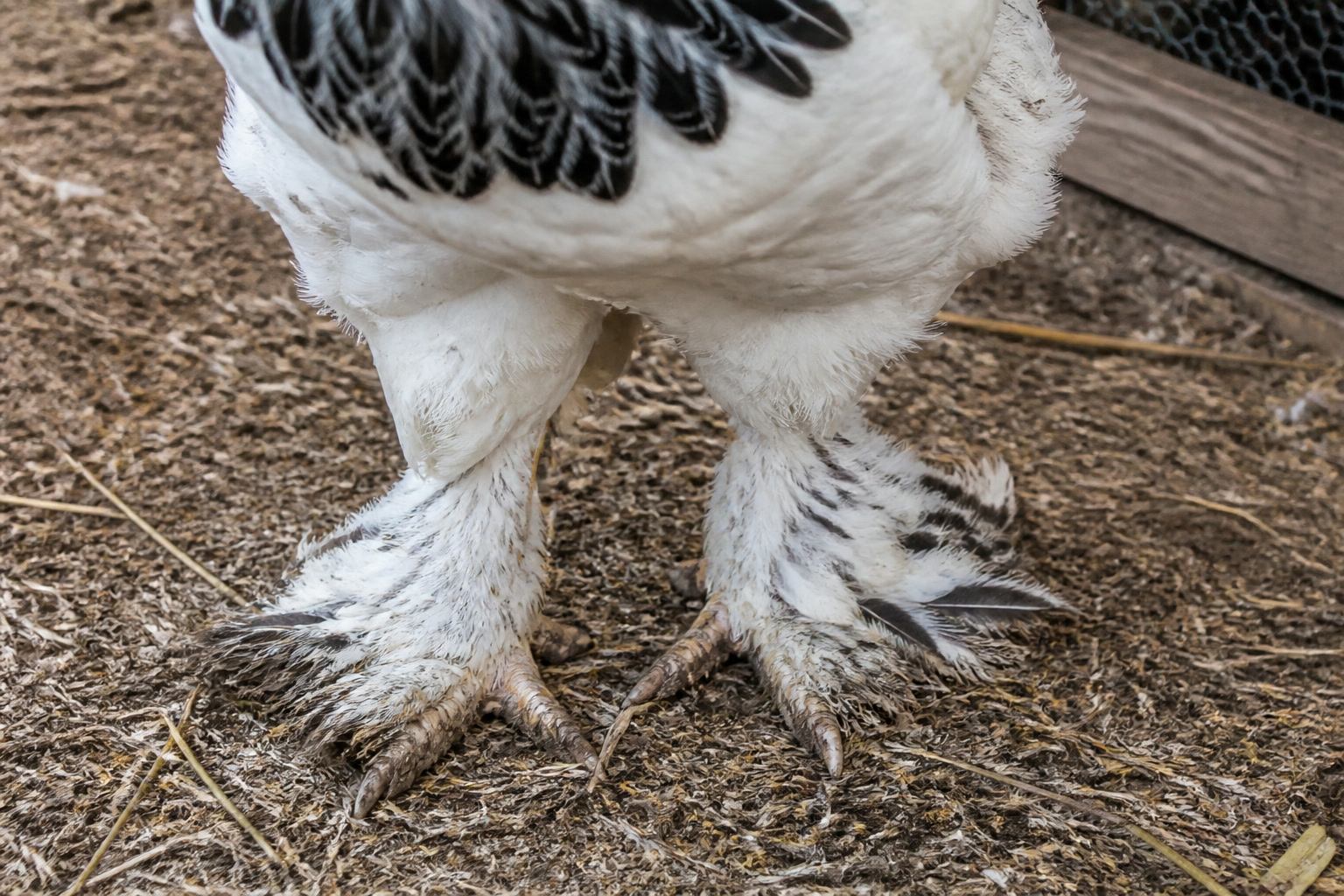
If you live somewhere the cold is serious and you want a bird that treats it like nothing, the Brahma is the specialist. They’re enormous, densely feathered right down their legs and feet, and they carry a small pea comb that barely frostbites. They’re also remarkably gentle for their size — a lumbering, calm bird that kids tend to love.
The tradeoffs are real, though. They eat like the giants they are, they’re slower to mature and lay a bit less than the production-leaning breeds, and those feathered feet turn into mud clods in a wet winter run, so drainage matters. For a mild-damp climate like mine they’re almost overkill; for a genuinely frigid one, they’re a joy.
Easter Egger — hardy, and the fun one
I’ll put in a word for the Easter Egger, because they’re on most beginners’ lists and they belong there. They’re a hardy hybrid, not a standardized breed, which is why no two look quite alike — and most of them carry a pea comb, which makes them quietly cold-tough. Plus they lay those blue and green eggs that make the whole egg basket a little more fun, and get every kid in the neighborhood interested. Mine handle winter fine and the pea comb means I barely think about frostbite on them.
Just know you’re buying a mixed bag — egg color, size, and exact hardiness vary bird to bird, because “Easter Egger” isn’t a fixed thing the way “Australorp” is. That’s part of the charm, but go in knowing it.
Pick two or three and keep it simple
You don’t have to overthink this. A first flock of, say, a couple of Australorps for eggs, an Orpington or two for temperament, and a Wyandotte or an Easter Egger for the small-comb hardiness is a genuinely great cold-climate mix — plenty of eggs, easy birds, and no single point of failure when a cold snap hits. Skip the tiny ornamental bantams and the tight-feathered production hybrids for your first winter; you can add the fun stuff once you’ve got a season under your belt.
And remember the order of operations: breed is the tiebreaker, not the plan. A dry coop and unfrozen water carry the day. If you’re sorting the water side out, my honest picks are in the best heated chicken waterers for winter.
I go breed by breed — temperament, laying, hardiness, what each one’s really like to live with — plus the whole first-year setup in Raising Backyard Chickens for Beginners. Choosing the right birds is the fun part. The book’s the part that gets them from a brooder box to a laying flock without the mistakes I made.
