How to Tell If a Chicken Is Sick: The Signs I Watch
How to tell if a chicken is sick before it's an emergency — the early signs I watch for in my flock, the OTC support I give, and exactly when to call a vet.
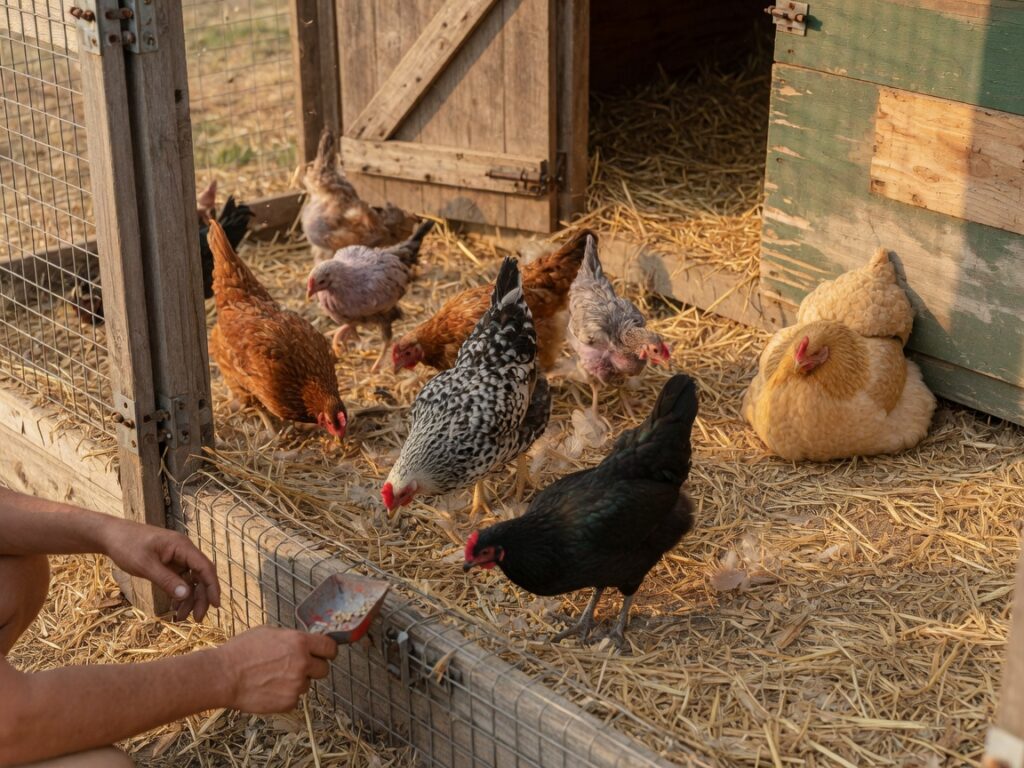
Chickens are very good at hiding illness, and there’s a hard reason for it. In a flock, a bird that looks weak gets pushed to the bottom of the order and, in the wild, gets picked off by whatever’s watching. So a hen will act normal right up until she can’t anymore. By the time she’s obviously, dramatically sick, you’ve usually lost the easy window to help her. Learning to read the small, early signs is the single most useful skill I’ve picked up in six years of keeping the girls outside Knoxville.
The good news is that reading a chicken isn’t mysterious once you know her baseline. You don’t need a degree — I’m a backyard keeper, not a vet, and I’ve never claimed otherwise. You need to know what your birds look like when they’re well, so that “off” jumps out at you. Here’s what I watch, in the order I usually notice it, and what I do first.
Know your normal first
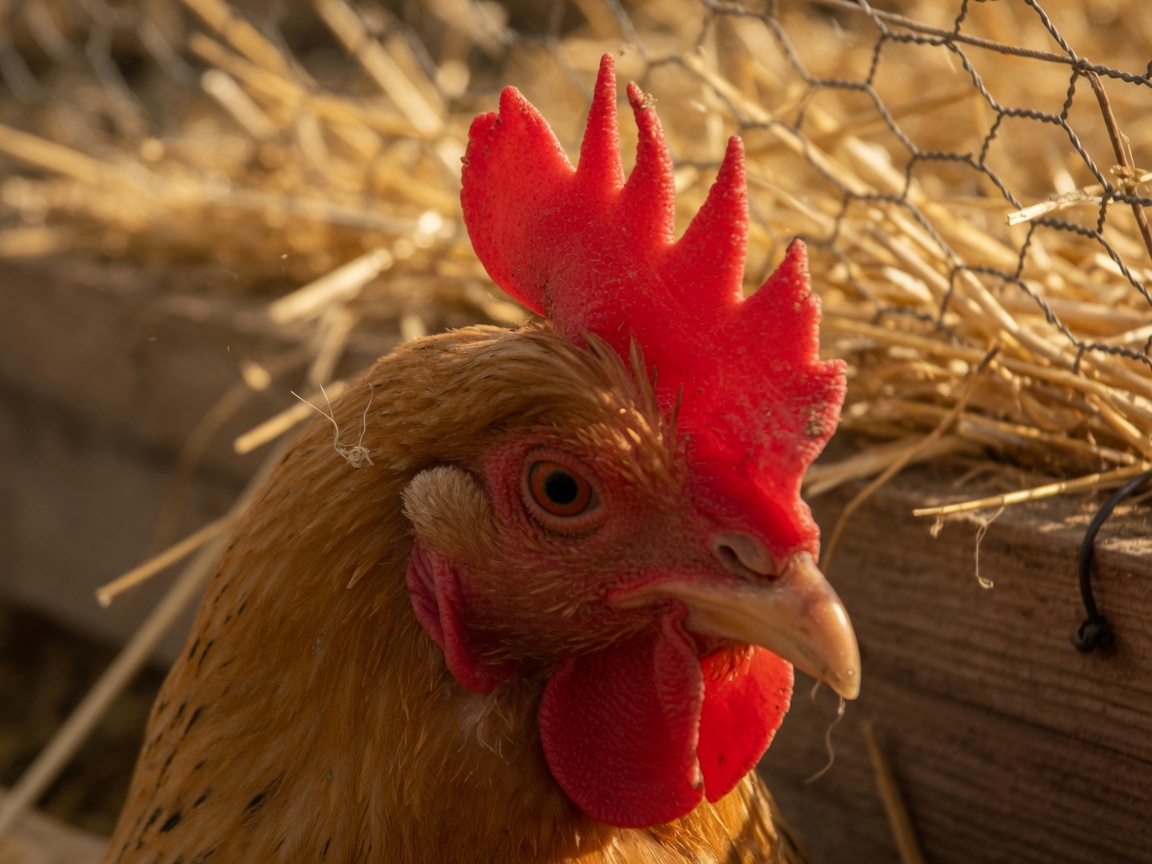
You can’t spot “off” until you know “on.” Spend a few mornings just watching your flock with coffee in hand, and you’ll build the baseline for free. A healthy hen is busy — scratching, dust-bathing, bickering, first to the run when you show up with treats. Her eyes are bright and fully open, her comb and wattles are a clean firm red, her feathers lie smooth, and her tail is up and active. Her droppings are mostly firm and brown with a white cap, plus the occasional foamy or runny “cecal” dropping that’s normal a few times a day.
Once that picture is in your head, a sick bird announces herself by contrast. She’s the one standing apart from the flurry, and that stillness is almost always the first thing I catch.
The early signs I watch for
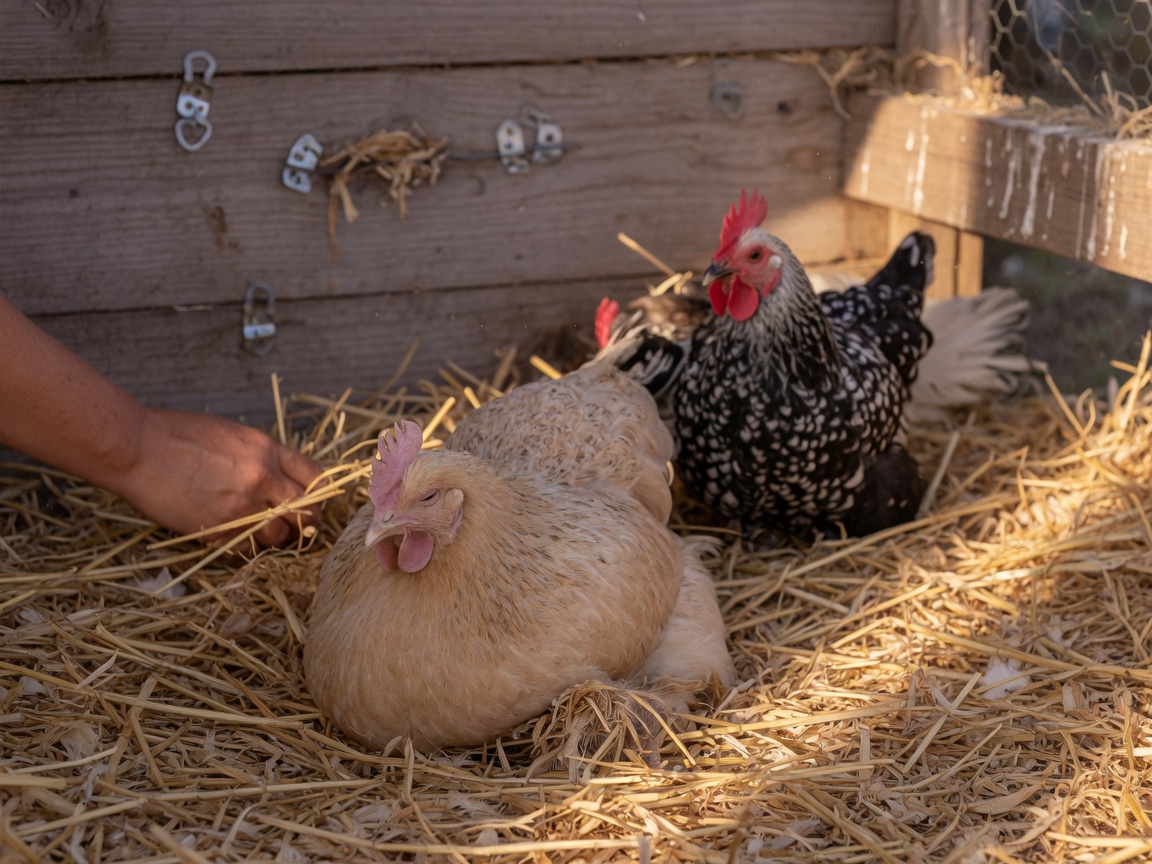
Here are the tells, roughly in the order they tend to show up. One of these on its own might be nothing. Two or three together means pull that bird for a closer look.
She’s standing apart and still. A hen who hangs back from the flock, stands hunched with her neck pulled in and tail down, or plants herself in a corner while everyone else forages — that posture is the classic “I don’t feel good” pose. It’s the sign I trust most.
Pale or shrunken comb, dull or closed eyes. A comb that’s gone pale, purplish, or shriveled is a real warning. Eyes that are half-closed, cloudy, foamy, or crusted point to illness or respiratory trouble.
She’s not eating or drinking. A hen skipping the feed everyone else is fighting over is a bird to watch closely. Dehydration and going off feed both go downhill fast.
Ruffled, puffed-up feathers. A bird who sits fluffed up like a little feather ball in the middle of a warm day is trying to conserve heat because she feels lousy. In summer heat that’s especially telling.
Runny, bloody, or off-color droppings. Persistent watery, foamy, greenish, or bloody droppings are worth attention — blood in particular can signal coccidiosis, which moves quickly, especially in younger birds.
Labored or open-mouth breathing, gurgling, sneezing. Any respiratory noise, tail-pumping with each breath, or open-beak breathing in a bird that isn’t just hot is a get-help sign.
A messy vent, or a swollen firm abdomen. A pasted, dirty vent or a belly that feels tight and full can point to a bird who’s egg-bound or has an internal problem — both need prompt help.
She’s dropped weight. Cup a hand under the breastbone. If the keel bone feels sharp and prominent where there used to be muscle, she’s been sick longer than she’s been showing it. This is why the early behavioral signs matter so much.
One honest note on laying: a hen who stops laying isn’t automatically sick. Molting, short winter days, heat, and broodiness all pause the eggs in a perfectly healthy bird. Weigh a laying drop-off alongside the other signs, not on its own.
What I do the moment a bird looks off
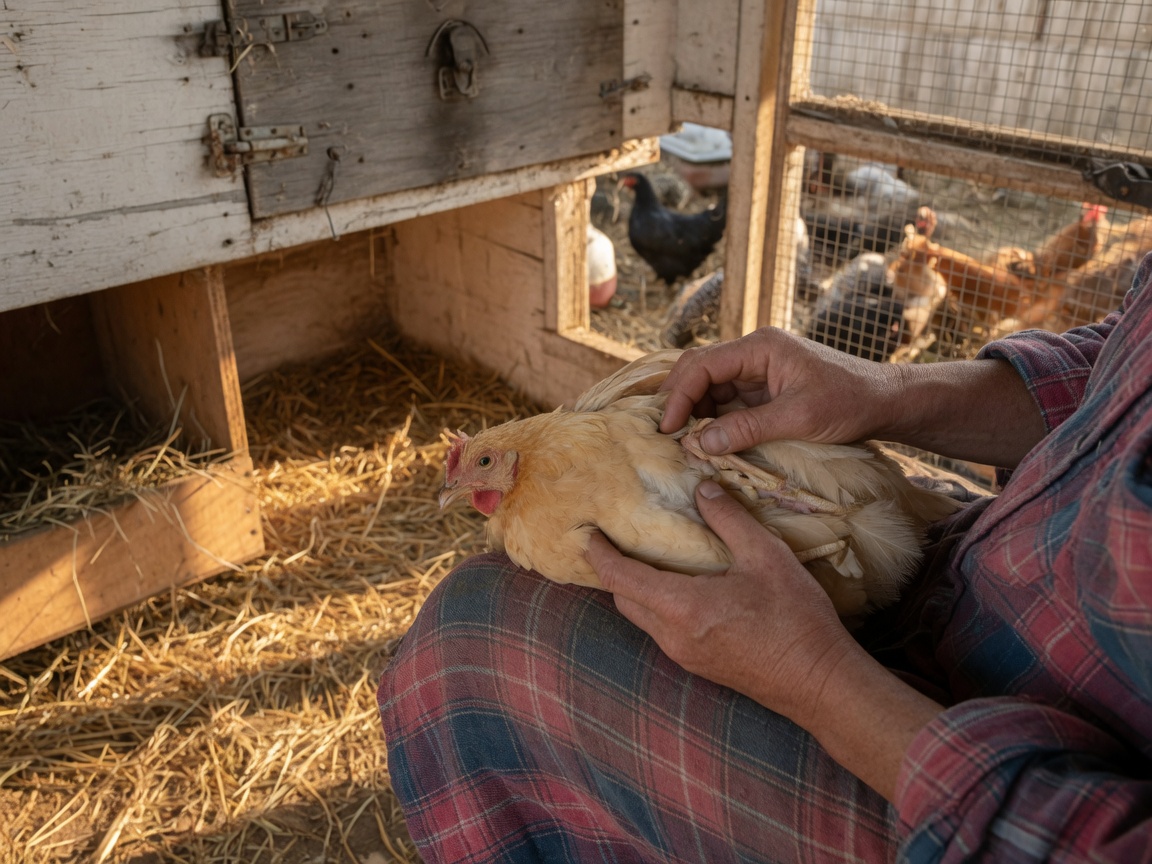
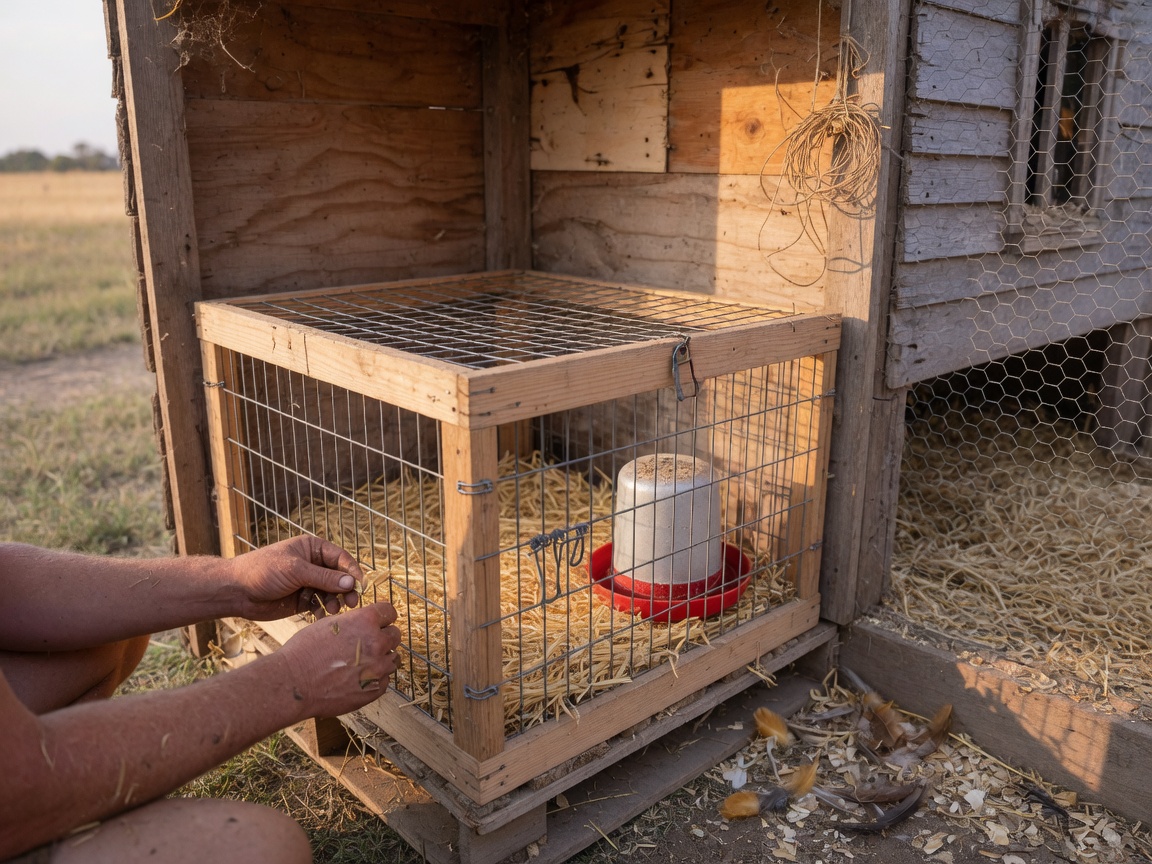
The first move is almost always the same: get her out of the flock. Chickens are relentless with a weak or bloodied flockmate, and a bird that’s already struggling doesn’t need to be pecked on top of it. My “hospital wing” is a large dog crate in the garage with clean shavings, a small feeder, and a clean spare nipple-and-cup waterer that lives with my chicken kit — sealed and clean, so an isolated hen always has water she can’t tip or foul while she recovers. Somewhere quiet, dim, out of the weather, warm but not hot.
Then I offer support, not a cure. Clean water with Sav-A-Chick electrolytes mixed in is my go-to for any bird that’s flat, stressed, or coming off a hard day of heat. It helps her hold onto fluids and minerals while the actual fix — rest, warmth, and, if it’s serious, a vet — does the real work. I want to be plain about the limit: electrolytes support a stressed bird; they don’t treat a disease.
A lot of what makes backyard birds sick traces straight back to husbandry, and the biggest lever is clean water. Slimy, algae-filled, poop-fouled water is a direct line to a sick flock. I keep the main galvanized double-wall fount scrubbed and refilled with fresh water, because preventing illness beats reading it every time. If your whole flock goes off at once, look hard at the water, the feed, and the heat before you look for an exotic disease.
Keep it strictly over-the-counter — and know when to call
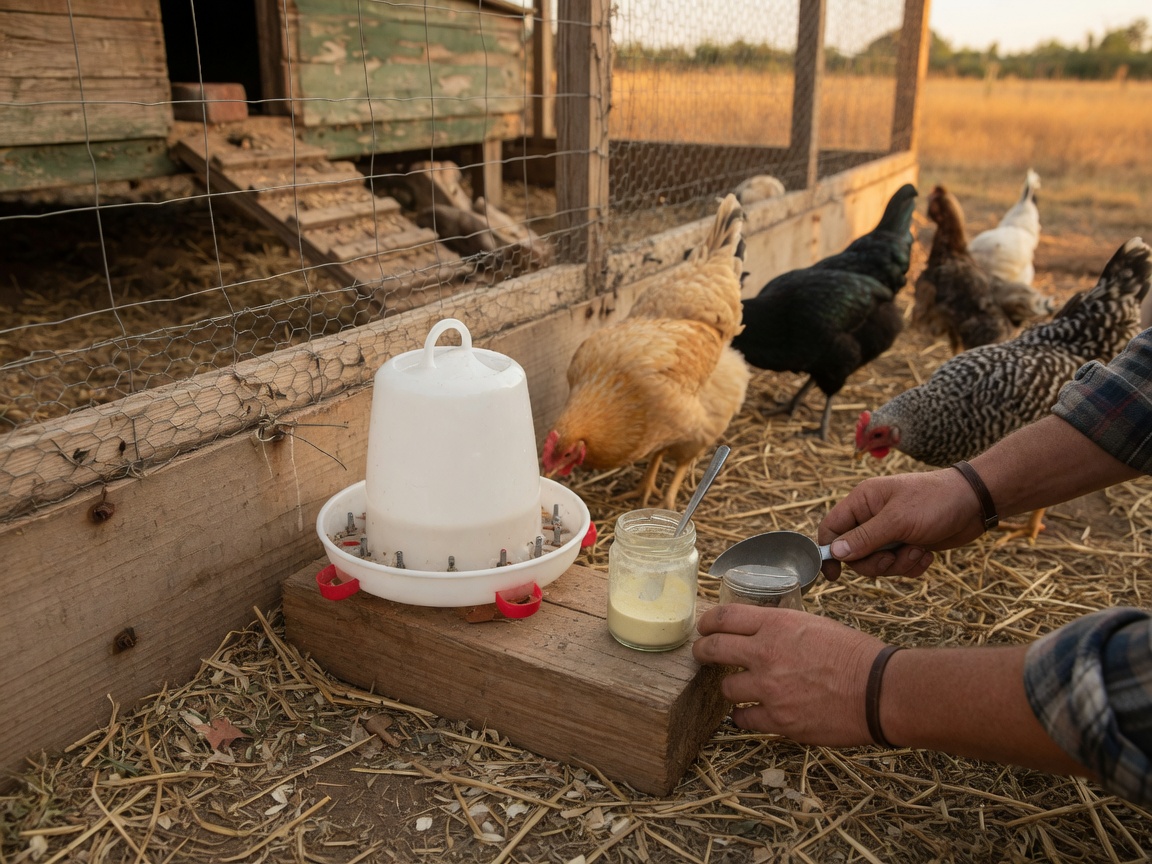
Here’s my firm line, and I’d rather over-say it: I don’t diagnose diseases and I never guess at drug doses. Prescription antibiotics and wormers belong in a plan from a vet who has actually seen your bird, not guessed at from a bin in the garage. Everything I reach for first — electrolytes, clean water, warmth, quiet, a warm Epsom soak for a bird who’s straining — is over-the-counter and supportive.
Make the call for real help when you see any of these: labored or open-mouth breathing, a bird hunched and not eating for more than a day, blood in the droppings, a wound you can see muscle in, a suspected break, a swollen hard abdomen, or a hen straining unproductively as if egg-bound. Your resources are a vet who sees poultry, your county extension office, and your state ag department’s poultry diagnostic lab — most states run one, and it’s the right call if you ever lose birds fast or suspect something contagious. Keep those three numbers where you can grab them.
I’ll say the hard part too, because this community values realism: sometimes a bird is too far gone by the time she shows it, and the kind thing is to end her suffering rather than prolong it. That’s part of keeping animals. It doesn’t mean you failed — it means you paid attention and made a hard call.
Watching is the whole skill
The keepers who lose the fewest birds aren’t the ones with the fanciest medicine cabinet. They’re the ones who look at their flock every single day and notice the quiet hen on day one instead of day four. Build that habit — a slow cup of coffee by the run each morning — and you’ll catch almost everything early, when catching it early still matters.
I go a lot deeper on reading a sick bird, the common first-year problems and what each one looks like, and exactly when it’s a soak-and-wait versus a call-the-vet, in my book, Raising Backyard Chickens for Beginners. This post is the quick field read. The book is where I walk you through the whole first year, the girls and all their drama included.
