The Best Chicken Breeds for Small Backyards
The best chicken breeds for a small backyard, from a keeper who's raised them on a tight lot — quiet, calm, space-smart birds, with honest pros and cons.
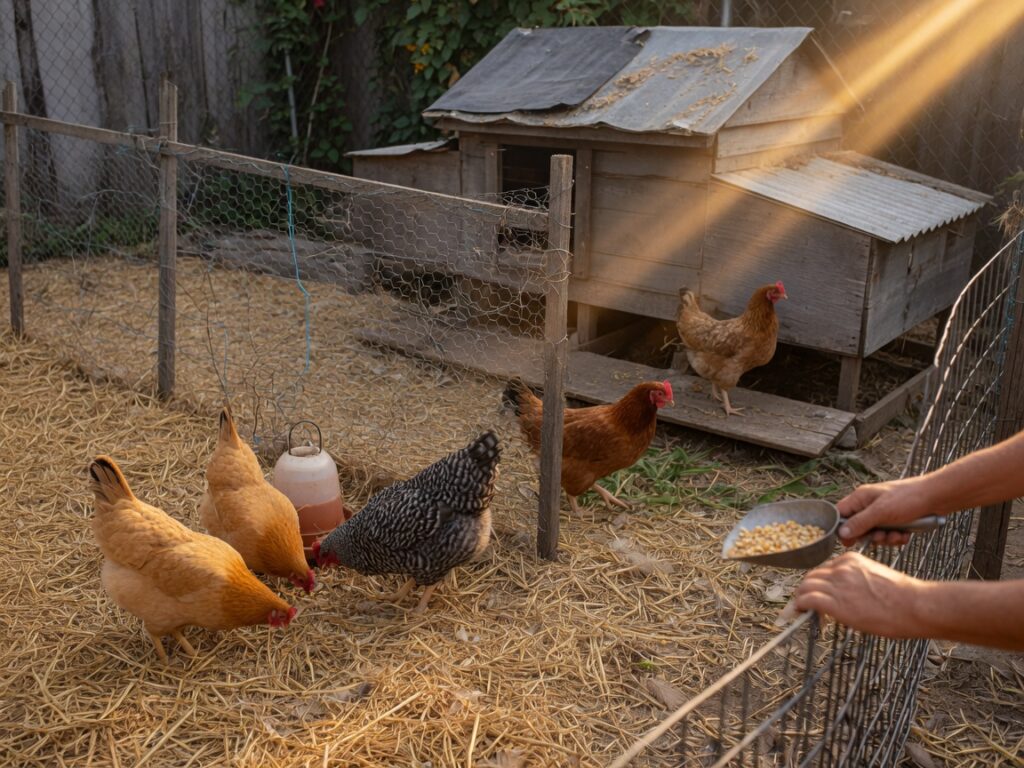
Not everybody keeping chickens has an acre. A lot of you have a normal suburban lot, a run tucked along the fence line, and a neighbor whose bedroom window looks right out over the coop. That changes the question. On a small backyard, the wrong breed isn’t just less fun — it’s a noise complaint, a bird that’s miserable in a tight run, and a knock on the door from the HOA.
So this list isn’t about who lays the most eggs. It’s about which hens actually thrive on a small footprint, keep the peace with the people twenty feet away, and stay calm when there’s no half-acre to wander. These are the breeds I steer people toward when they tell me the run is going to be small and the neighbors are close. If you’re still building the setup itself, my first-chick brooder checklist covers the gear before the girls come home.
One thing to settle before the breeds. Space first, then birds. The old rule is four square feet per hen inside the coop and eight to ten in the run, and on a small lot that’s a floor, not a target — give them more if you can, because a crowded run is where boredom, feather-picking, and stress start. Pick a calm breed and give it room, and half your small-yard problems never show up. My guide on what to do when they start pecking each other is mostly a space-and-boredom story.
Silkies and bantams — the small-footprint favorites
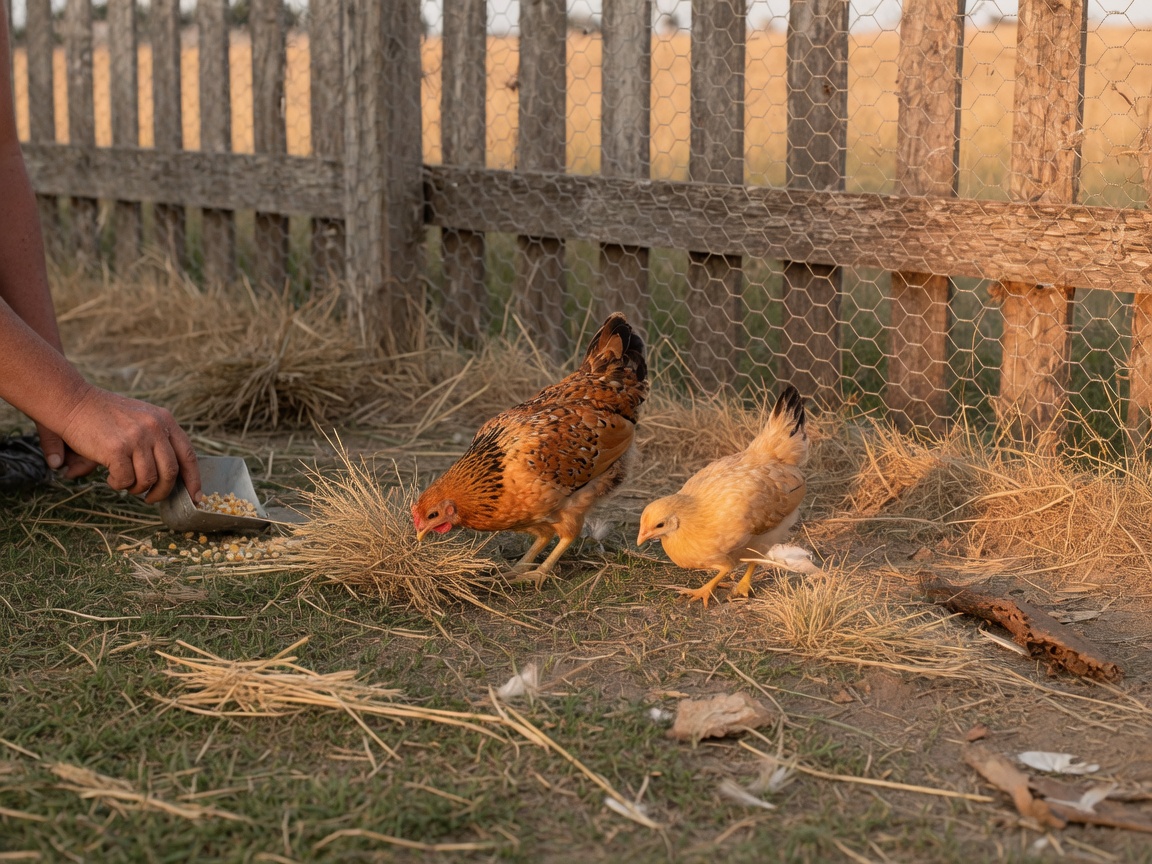
If the yard is genuinely tight, look hard at bantams — the miniature versions of standard breeds — and at Silkies in particular. A bantam eats less, needs less room, and does less damage to a small run than a full-size hen, and for a lot of urban keepers that’s the whole game.
Silkies are the gentlest chickens I’ve ever handled. They’re fluffy, they’re quiet, they’re famously good with kids, and they’re happy in a small covered run because they don’t have a big forager’s urge to roam. They’re the breed I recommend most for a family on a small lot who wants pets that happen to lay a few eggs.
The honest cons are real, though. Silkies are poor layers — figure two or three small cream eggs a week, and less in winter. They can’t fly worth anything, which keeps them in the run but also makes them easy prey, so your fencing has to be right. And that fluffy plumage isn’t waterproof, so a Silkie needs a dry coop and doesn’t do well in a wet, muddy run. Small and sweet, but not a bird you neglect.
Australorp — proof that calm scales down
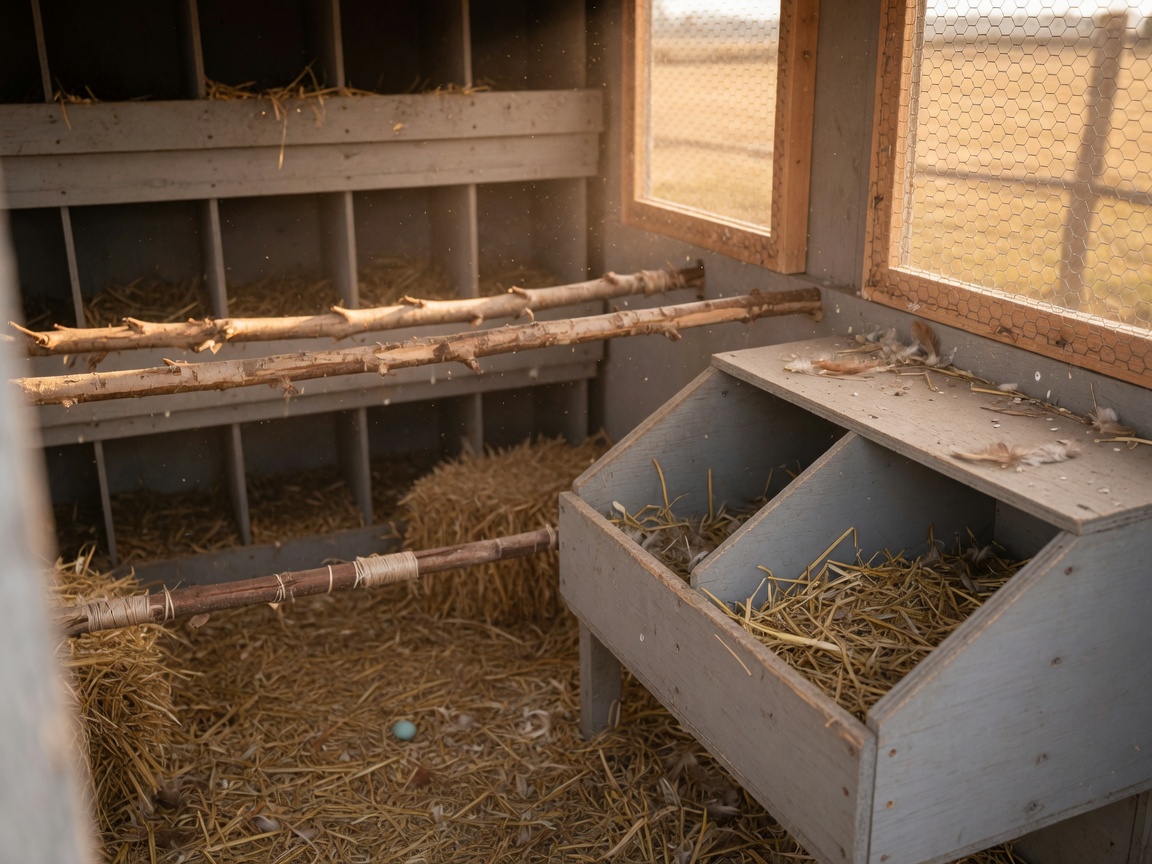
I put the Australorp on nearly every list I write, and small yards are no exception. Mine have been the steadiest, calmest birds I’ve kept — they settle into a modest run without the restlessness some breeds show when they can’t range, and a good hen still gives you 250 or more big brown eggs a year on that small footprint. That’s a lot of return for a bird that asks for so little drama.
The one caveat for a tight lot is size. An Australorp is a heavier, standard-size bird, so she needs the real square footage — don’t try to keep six of them in a run built for bantams. Give her the room and she’s as easy a neighbor as a chicken gets.
Plymouth Rock and Wyandotte — friendly birds that handle confinement
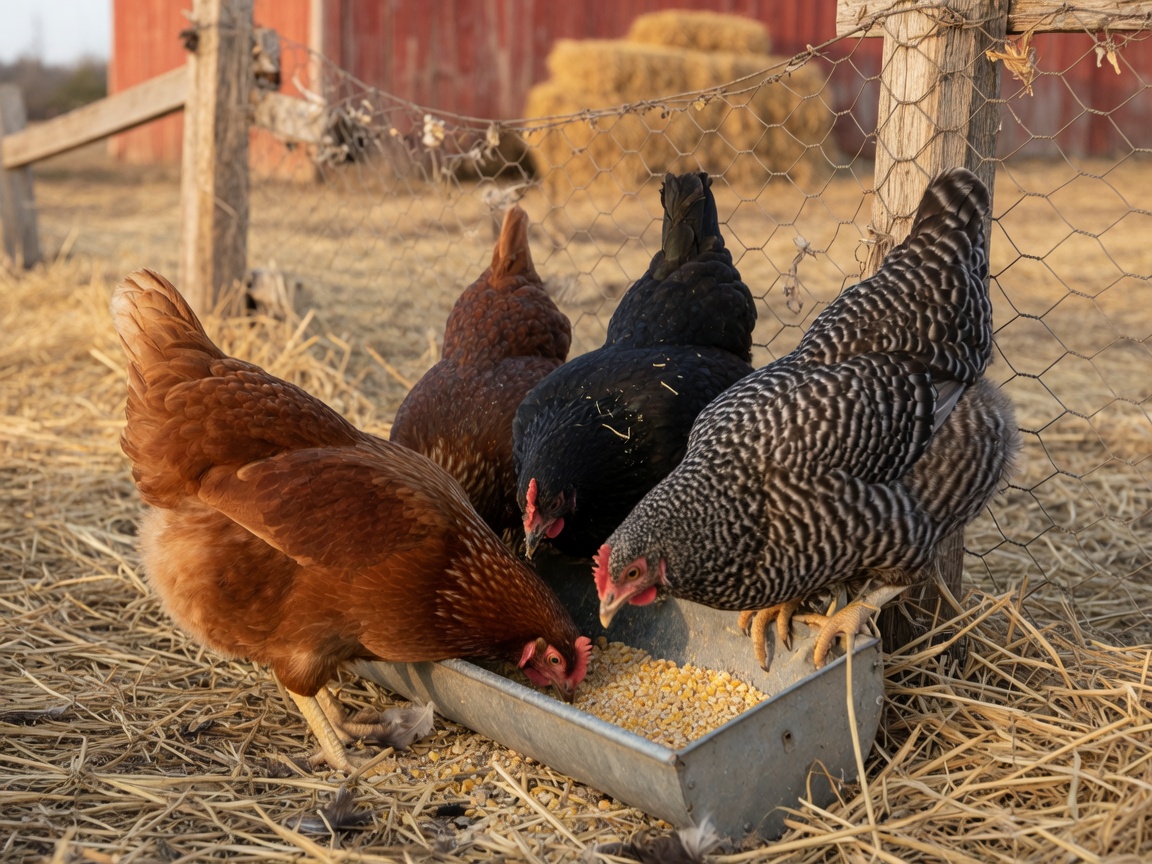
The Barred Rock — the black-and-white striped one everybody pictures — and the Wyandotte are both what I’d call good confinement breeds. They’re calm, they’re cold-hardy, they tolerate a run without pacing the fence, and they’re friendly enough that a small-yard flock stays a pleasure to be around. Both lay a reliable 200 or so brown eggs a year, so you’re not trading much production for that easygoing temperament.
My honest con is one I paid for. My first Plymouth Rocks were beautiful, friendly, and absolutely useless at predator awareness — we lost two in year one to a dog that got into the yard while the girls just watched. On a small suburban lot your predators are usually loose dogs and raccoons, not foxes, and a trusting breed like a Rock needs you to do the watching for her. That means a properly covered, hardware-cloth run, not chicken wire. The bird’s easy; the fencing is on you.
Easter Eggers — small-yard joy, and usually quiet
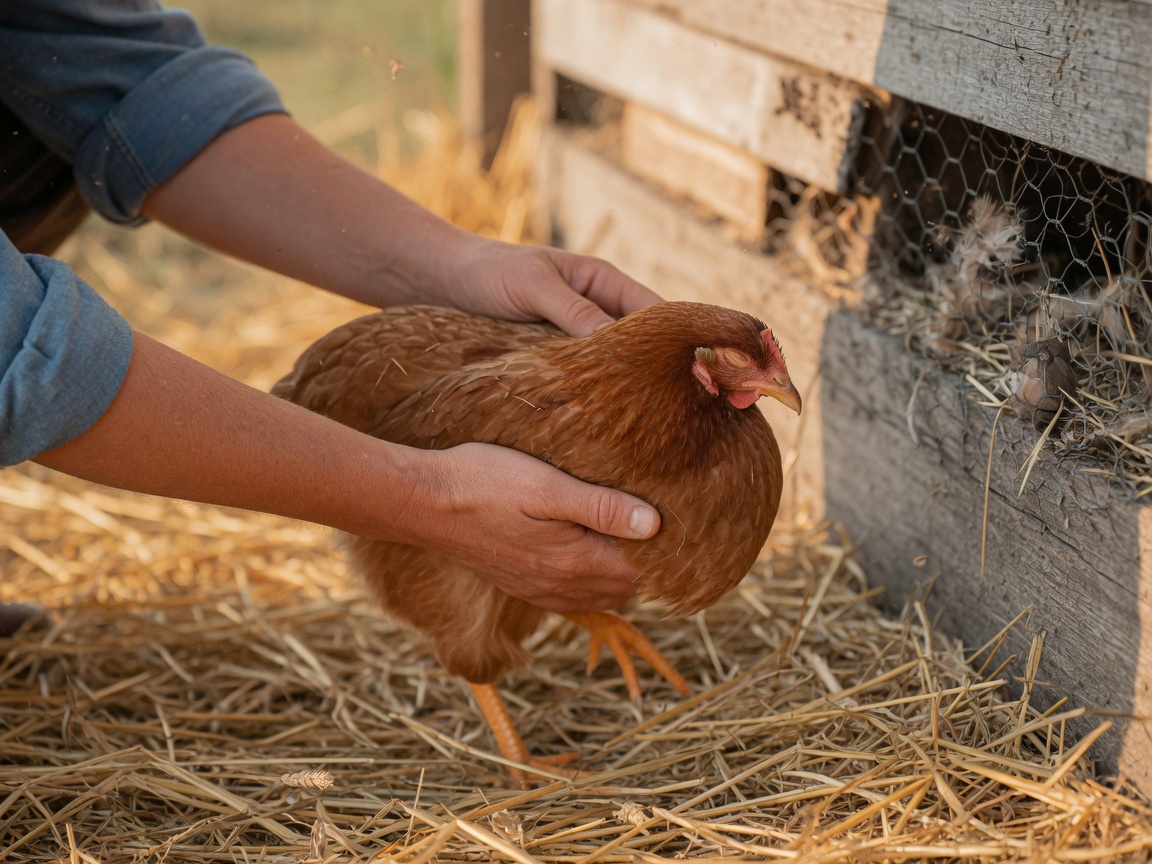
I’ll put the fun one here because a small flock ought to have a little joy in it. Easter Eggers aren’t a formal breed — they’re a mix carrying the blue-egg gene — and each hen lays her own color, from sky blue to olive to pinkish tan, about 200 a year. They’re hardy, friendly, adaptable birds that handle a small run well, and most of them are on the quieter side, which matters when the neighbors are close.
The con is the flip side of the fun: because they’re a mixed bag, they vary. One might be a champ layer and calm as can be, her sister a middling layer with more to say. You don’t know exactly what you’re getting until she grows up — which, for most small-yard keepers, is a feature more than a problem. A carton with three shades of blue in it never stops being a small delight.
The one small-yard rule most people skip: skip the rooster
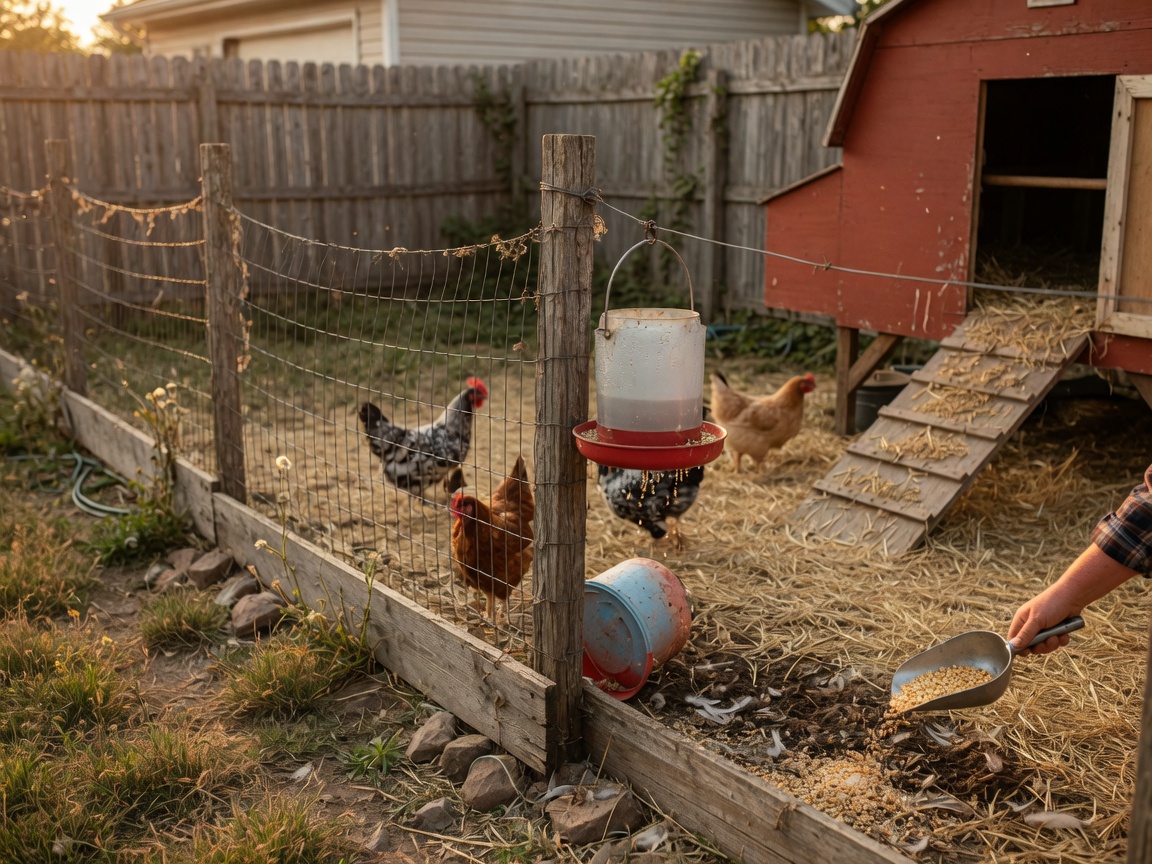
Here’s the breed decision that matters most on a small lot, and it isn’t a breed at all. You almost certainly don’t want a rooster. Most city and HOA ordinances that allow hens ban roosters outright, and for good reason — a rooster crows at dawn and off and on all day, and on a tight lot that’s the single fastest way to turn a tolerant neighbor into a complaining one. Hens are quiet by comparison; the loudest thing they do is the egg song, and that passes.
So when you order, order sexed pullets, and know that even then a straight-run surprise cockerel happens now and then. Have a plan for rehoming him before he starts crowing, not after the first complaint. If you’re already hearing a young bird sound off and wondering, my post on why your hen might be crowing sorts out what’s actually going on.
Mix a few, and give them room
Two things I tell every small-yard keeper. First, mix your flock — get two or three each of a couple of these breeds rather than six of one. You’ll spread out your egg colors, hedge against a breed that doesn’t suit your yard, and actually learn who’s who. Just add new birds carefully; my introducing-new-chickens guide will save you some pecking-order grief in a run where there’s nowhere to hide.
Second, remember that on a small lot the breed is only half the answer. A calm bird in a cramped, boring run still gets into trouble, and a good breed with a proper covered run, enough space, and a little something to do stays healthy and quiet and out of your neighbor’s business. Choosing the birds is the fun part. Keeping them well on a tight footprint — the space math, the predator-proofing, the winter, the molt, the neighbor question — is the part that trips people up, and it’s the whole reason I wrote Raising Backyard Chickens for Beginners. Pick a couple of these girls, then let the book get you and them through your first full year on the lot you’ve got. Know your girls.
