The Best Small-Space Garden Gifts for the Holidays
The best small-space garden gifts for the holidays — the container-gardening tools I'd actually give a friend with a balcony. No yard required.
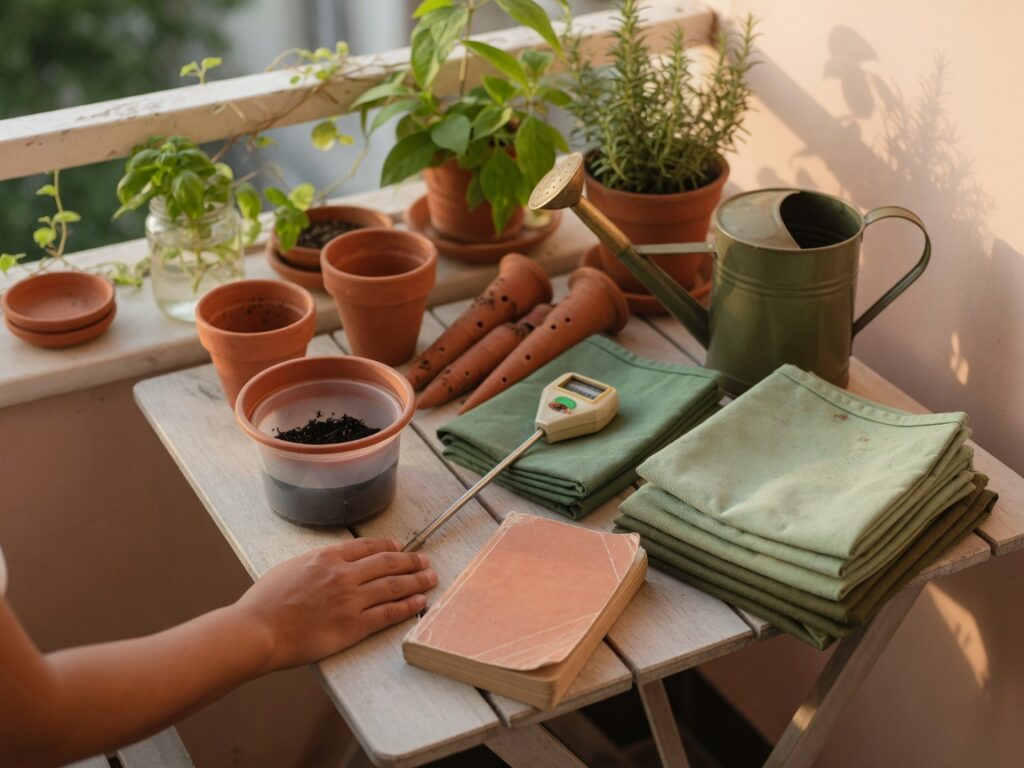
Every year somebody asks me what to get the balcony gardener in their life, and every year I have to talk them out of the same three things: a giant tool set built for a half-acre, a novelty herb kit that dies by February, and a bag of “garden soil” that won’t fit in a pot anyway. The person you’re shopping for doesn’t have a yard. They have a railing, a few pots, and fifteen minutes a day, and the best gift meets them exactly there.
So here’s my actual list — the small-space things I’d hand a friend, and have. Every one of them is useful in a container the day it’s unwrapped, nothing needs a garage to store, and none of it assumes an inch of ground. I’ve grown with all of it on my own townhouse patio.
Let me tell you why each one earns its place, so you can pick the one that fits your person instead of buying all five.
For the friend who travels: self-watering planters
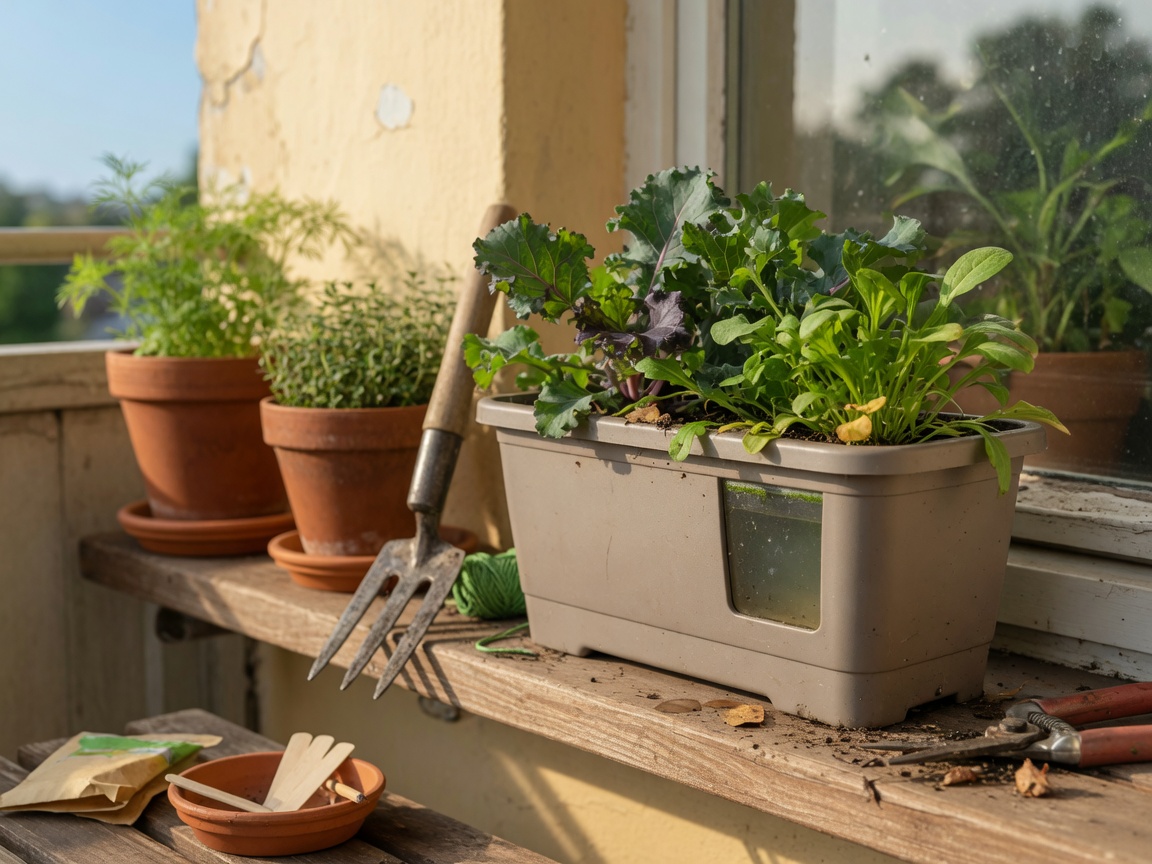
The single most common way a container plant dies isn’t neglect exactly — it’s a long weekend. Pots dry out fast, faster than anyone expects their first summer, and three hot days away can undo a whole season. A self-watering planter has a reservoir in the bottom that the plant drinks from as it needs, which buys your friend days of cushion instead of hours.
I won’t oversell it — a self-watering pot isn’t magic, and it’s not right for a cactus or a rosemary that wants to dry out between drinks. But for the tomato, the lettuce, the basil, the things a beginner actually grows on a balcony, it’s the difference between coming home to a garden and coming home to compost. This is the gift for the person who loves the idea of plants but travels for work. Give the bigger size if you can; small reservoirs empty fast in July.
The small, useful stocking-stuffer: terracotta watering spikes
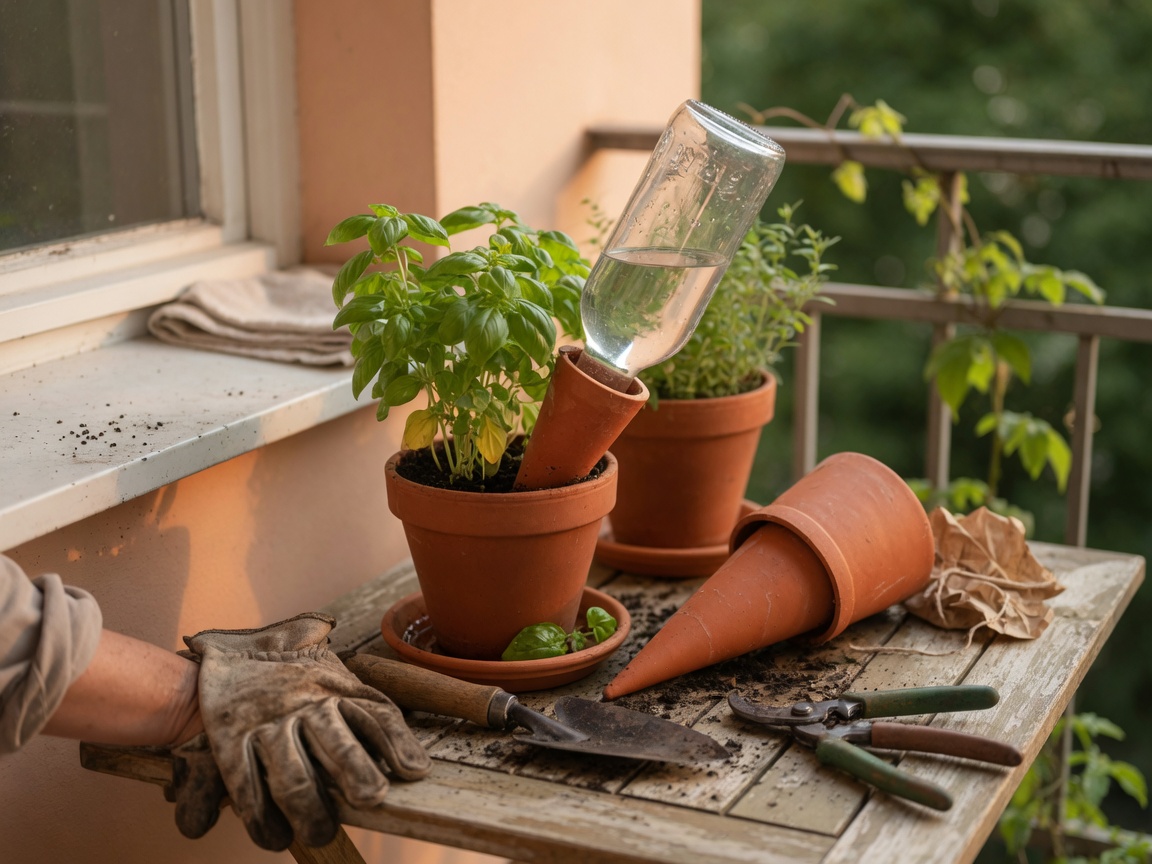
If you want something under the tree that’s genuinely helpful and doesn’t cost much, terracotta watering spikes are my pick. You push the spike into the pot, invert a bottle of water into the top, and the unglazed clay wicks moisture into the soil slowly as it dries. They turn any wine bottle into a slow drip for a week away, and they look a hundred times nicer than a plastic gadget.
Honest caveat, because I always give one: they’re a helper, not a whole irrigation system. In the worst of a heat wave a thirsty tomato will outrun them. But as a “keep my herbs alive while I’m at my sister’s for the holidays” tool, they’re perfect — and they pair beautifully with the moisture meter below, which I’ll get to.
The gift that saves the most plants: a soil moisture meter
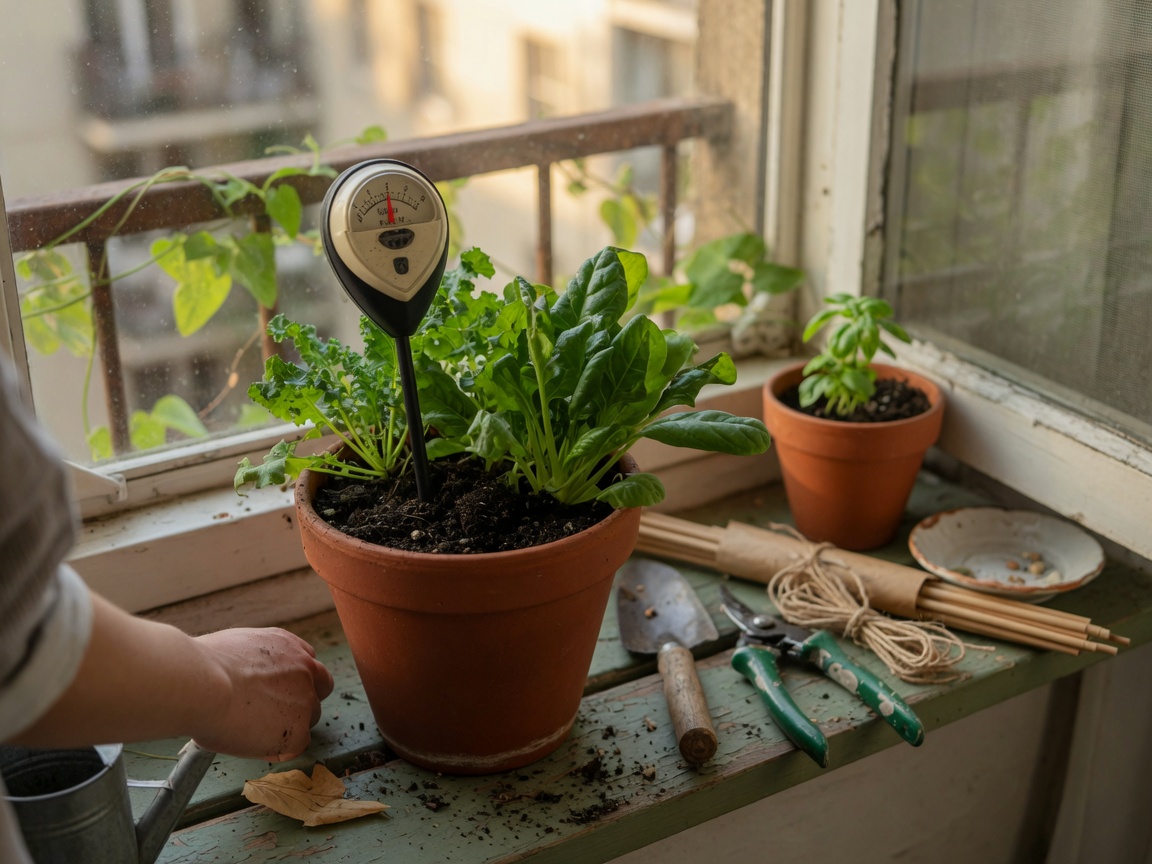
Here’s the thing about beginners and water: nearly all of them overwater, because “the leaves look sad so I’ll add water” is the wrong instinct half the time. Sad leaves mean check the roots, and a wet pot and a bone-dry pot can look identical from the top. A no-battery soil moisture meter settles the argument — you push the probe down to the roots, and it tells you wet, moist, or dry where it actually matters.
I resisted these for years as a gimmick, and then I watched one save a friend’s entire first container garden from the classic overwatering death spiral. No batteries to die, nothing to calibrate, cheap enough to tuck into a bigger gift. If your person keeps drowning things with love, this is the one. I made the whole case for it in do you need a soil moisture meter — short version, for a beginner, yes.
The one tool they’ll use every day: a long-spout watering can
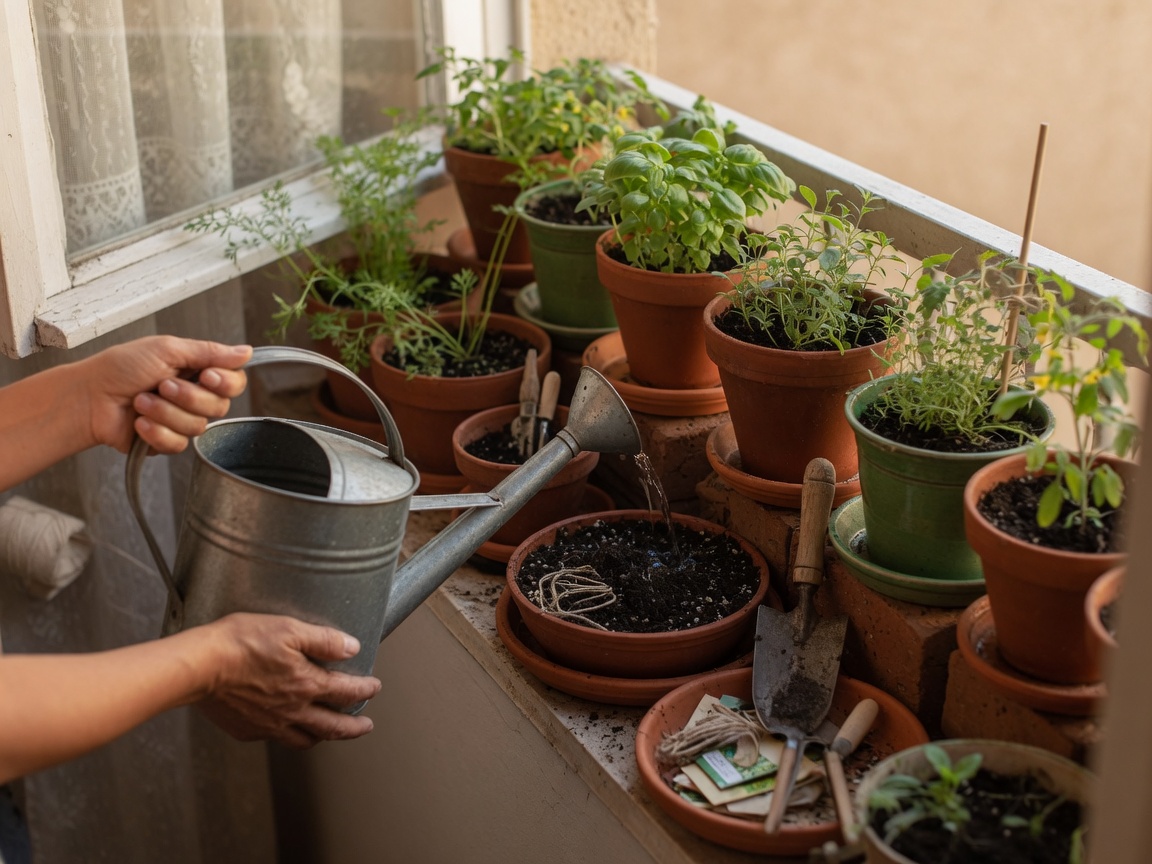
Some gifts sit in a drawer. A good watering can gets picked up every single morning. The long, narrow spout is the whole point — it reaches past the leaves to pour at the soil line, where water belongs, instead of splashing the foliage (which invites disease and wastes half of it running off). On a crowded balcony where pots are wedged rail to rail, that reach is the difference between watering easily and knocking everything over.
I use a long-spout can that holds enough to do my whole patio in one fill, and after six years it’s still the tool my hand reaches for first. Get one that feels balanced full, not just empty — a cheap can that’s tippy when loaded is a daily small annoyance. This is the safe, always-right gift when you’re not sure which kind of gardener you’re buying for. It’s on my short list of container garden tools every beginner actually needs, too.
A whole garden that folds flat: fabric grow bags
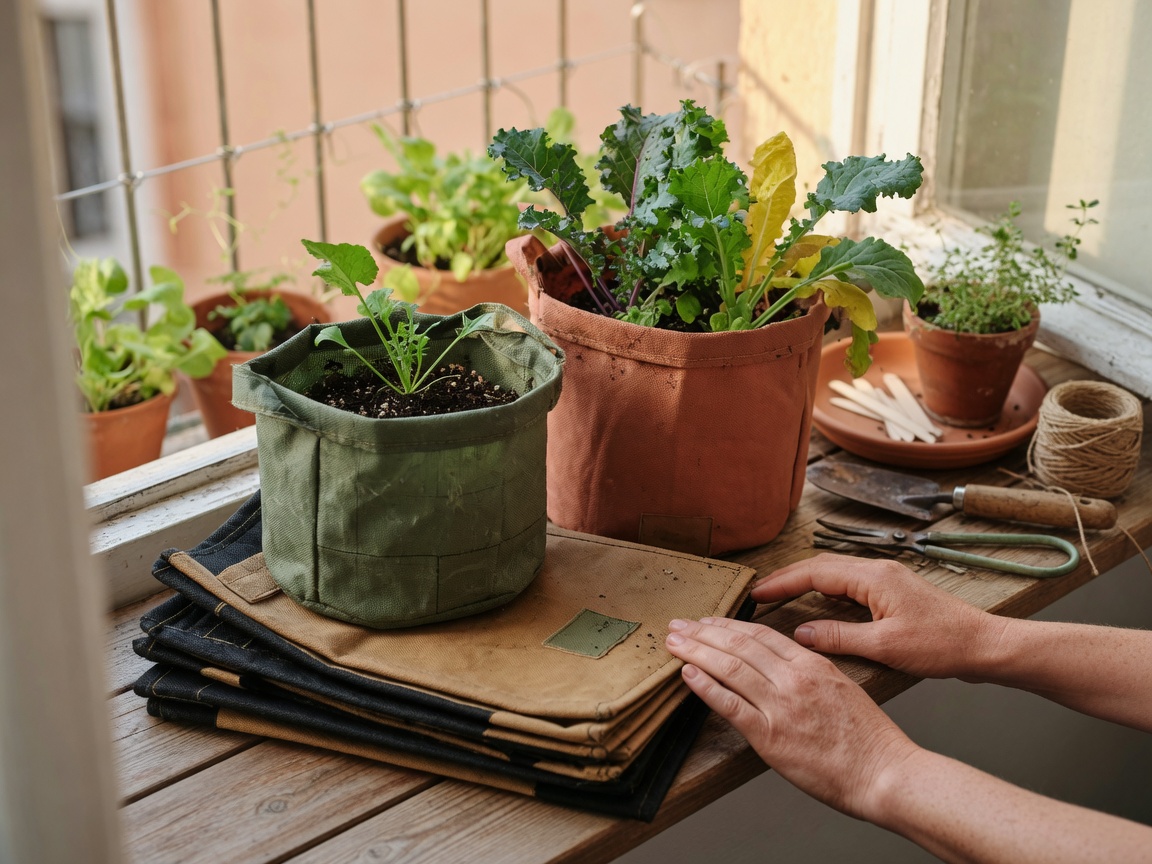
For the friend who wants to grow more than their pots allow but has nowhere to store a stack of planters, fabric grow bags are a small miracle. They’re breathable, which air-prunes the roots and makes for healthier plants than a slick plastic pot, they’re light enough to rearrange chasing the sun across a balcony, and at the end of the season they empty out and fold flat into a drawer. A renter can take them to the next apartment in a shoebox.
They dry out a touch faster than a solid pot because they breathe — pair them with the moisture meter and your friend is set. A set of a few, in a couple of sizes, is a surprisingly generous-feeling gift for what it costs, and it opens up potatoes, greens, even a dwarf tomato for someone who thought they were out of room. I compare them head to head with plastic in fabric grow bags vs. plastic pots if you want the full trade-off.
And the gift that keeps going: a book they’ll actually open
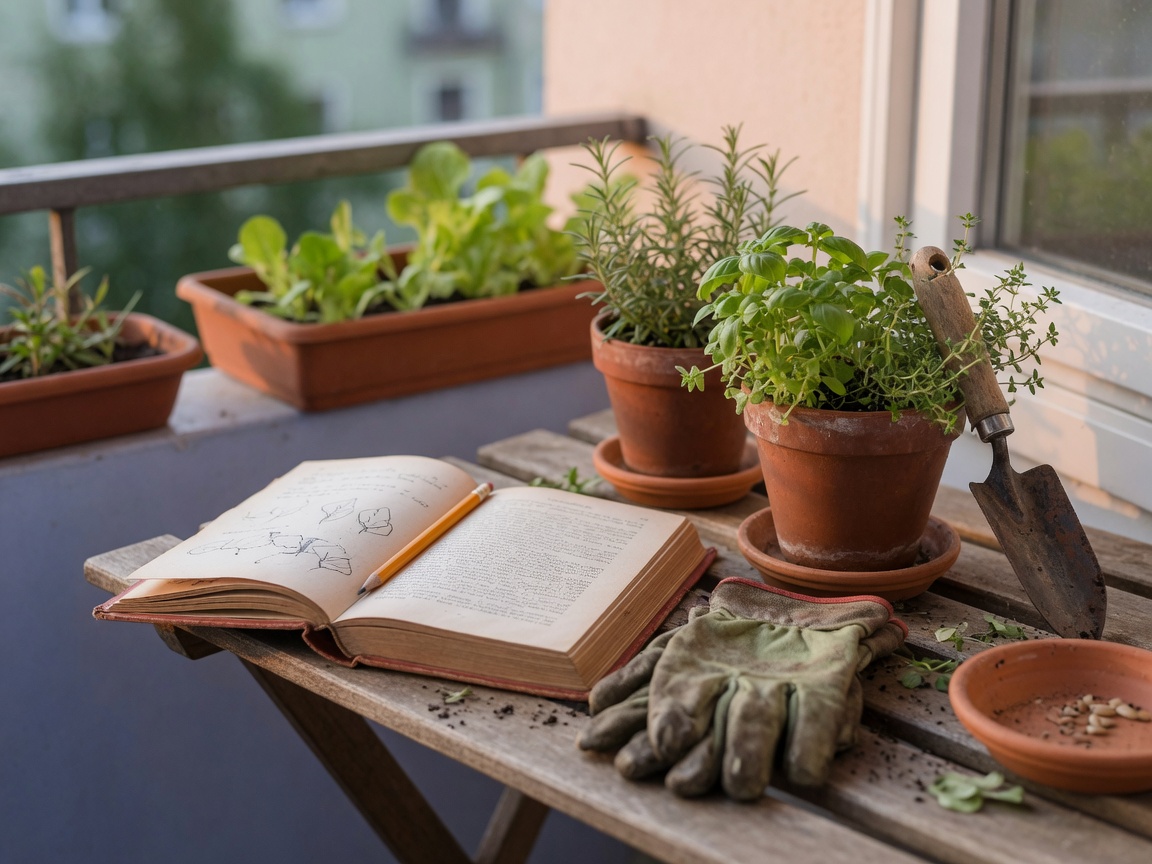
If you want to give the whole hobby and not just a tool, give a book alongside the small thing. The gardener on your list who’s just starting on a balcony will get more mileage out of a guide written for exactly their constraints than from anything with a cord. My own, Small-Space Big Harvest, is written for the person with pots and a railing and no yard — real yields from real small spaces, the plants that forgive a beginner, and how to keep any of it alive. And if your person leans pretty over practical, Edible Flowers for Small Spaces is the one that makes a balcony feel like a small gentle luxury — calendula and nasturtiums and violas you can actually eat.
Whatever you pick from this list, the gift underneath it is the same: you’re telling someone that the small space they have is enough to grow something in. It is. A pot, a sunny rail, a little water at the right time — that’s a garden, and it’s a lovely thing to give someone permission to start.
