When to Order Baby Chicks for Your First Spring Flock
When to order baby chicks for spring — how hatcheries book up, the ship-week math I use in Tennessee, and what to have on the shelf before the box shows up.
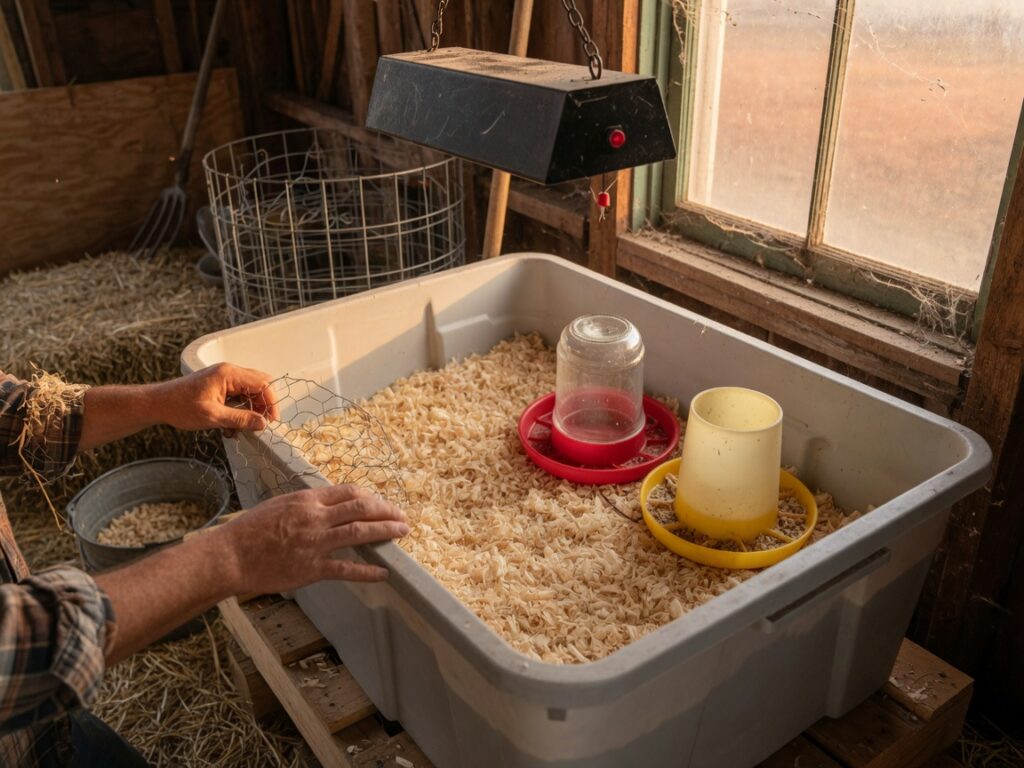
If you’re planning to start a flock in spring, the single most common mistake I see is waiting until spring to order. By March the breed you had your heart set on is sold out through May, and you end up taking whatever’s left instead of the birds you actually wanted. I’ve watched it happen to half a dozen neighbors, and it happened to me my first year too.
The good news is the fix costs nothing but a little planning. Order early, count backward from your last frost, and have your setup ready before the box ever shows up at the post office. Here in Knox County I start thinking about spring chicks in the dead of winter, when the hatchery catalogs land and the coop’s buried under leaves. Let me walk you through the timing the way I wish someone had walked me through it.
Why “early” really means winter
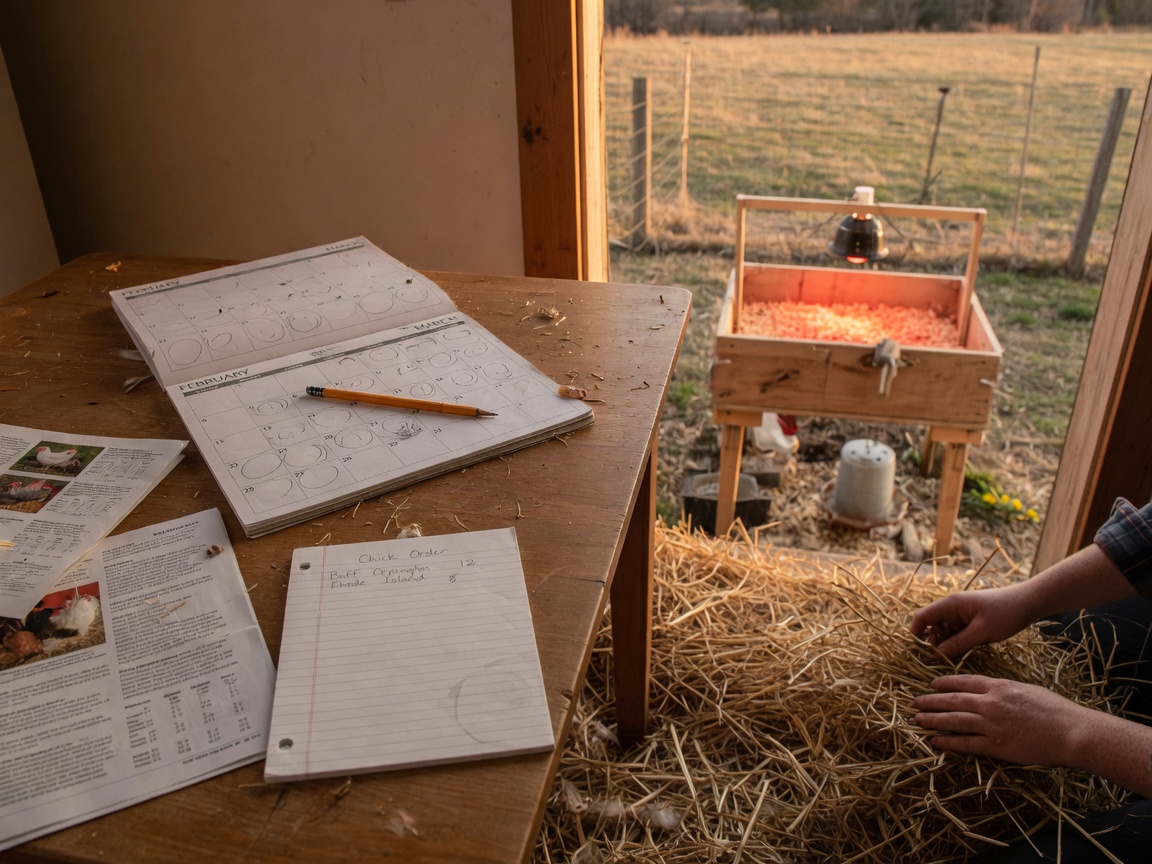
Hatcheries open their spring booking in the dead of winter — many take orders in December and January for chicks that ship February through May. Popular breeds and the sold-by-the-hen sexed pullets go first. If you want Buff Orpingtons or Easter Eggers or any of the pretty, docile, beginner-friendly breeds everybody wants, you’re competing with every other first-time keeper who read the same beginner articles you did.
So the honest answer to “when do I order” is: as soon as the hatchery opens spring booking, book your date. You’re not paying for the chicks to ship early — you’re reserving a ship week months out and locking in the breeds. I’ve used Hoover’s, and Murray McMurray and Cackle Hatchery run the same way. Order in January, pick an April ship week, and you get the birds you planned instead of the leftovers.
The one catch worth knowing: most hatcheries have a minimum order — often six to fifteen chicks — because that many bodies keep each other warm in the shipping box. If you only want three or four hens, that’s a real problem to solve before you order, not after. More on that below.
Count backward from your last frost
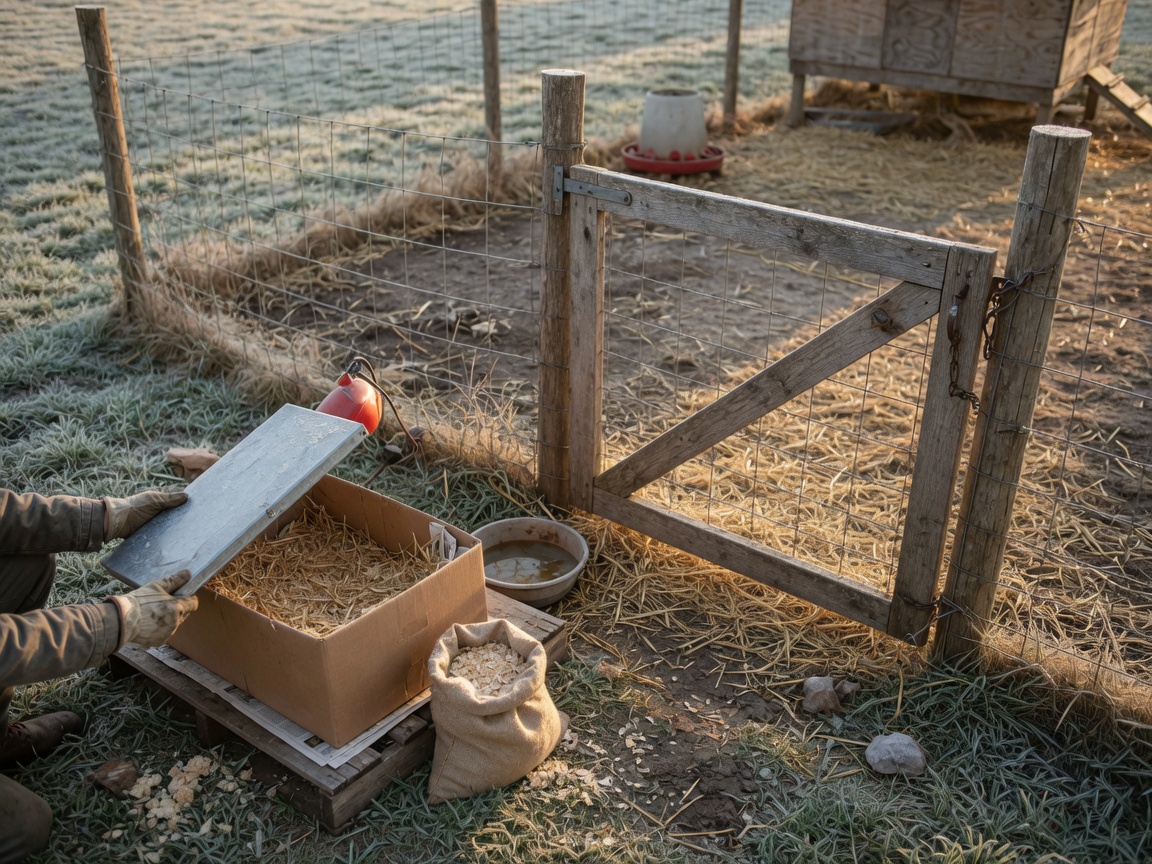
Here’s the timing math I use, and it’s simpler than it sounds. Chicks live in a brooder — a warm, safe box indoors or in the garage — for their first five to six weeks. They can’t move out to the coop until they’re fully feathered and the nights aren’t dangerously cold, which lines up roughly with your area’s last frost date.
So work backward. Find your last spring frost — for me in East Tennessee that’s mid-April; the extension office or a quick zone lookup gives you yours. Count back about six weeks, and that’s your target ship week. Chicks that arrive in early March are feathered and ready to graduate to the coop right around the time the nights turn mild.
Don’t order chicks to arrive before you can keep a brooder warm and running. A February box of chicks means six weeks of brooder duty in the coldest part of the year, and a brooder that’s a hair too cold is how you lose birds. If your setup is a heated garage, February’s fine. If it’s a spare-room brooder, aim later.
Sexed pullets, straight run, and the rooster problem
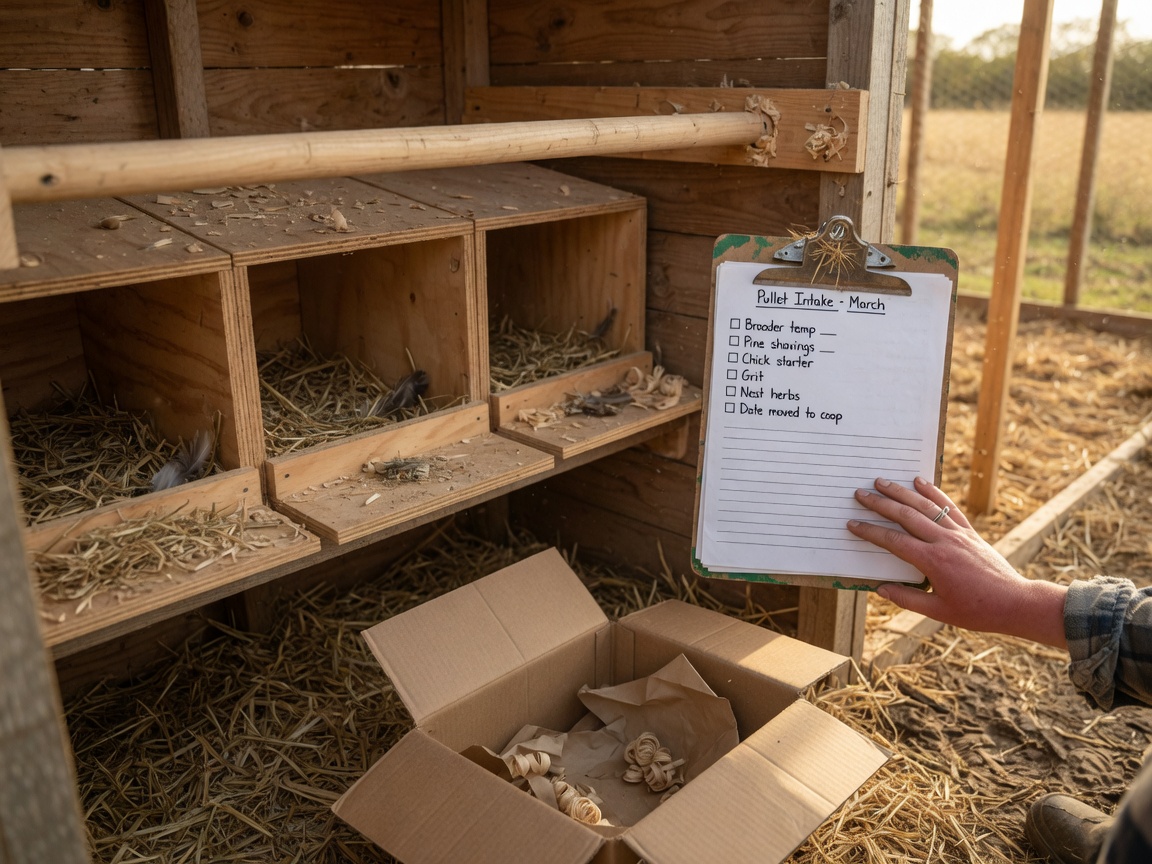
When you order, you’ll choose between sexed pullets (hatchery-sorted to be female, usually 90 percent accurate) and straight run (as-hatched, a coin flip on sex, and cheaper). For a suburban-fringe backyard where a crowing rooster means an angry neighbor or an HOA letter, pay the extra for sexed pullets. Straight run is fine if you have the room, the zoning, and a plan for the cockerels — and “a plan” means a real one, because half of them will be roosters.
This is the part I’d think through before you fall in love with a catalog photo. Check your county and, if you’re in one, your HOA rules on chickens and especially on roosters. It’s a cheap conversation to have in January and an expensive one to have in June with six crowing cockerels.
The local alternative — Tractor Supply Chick Days
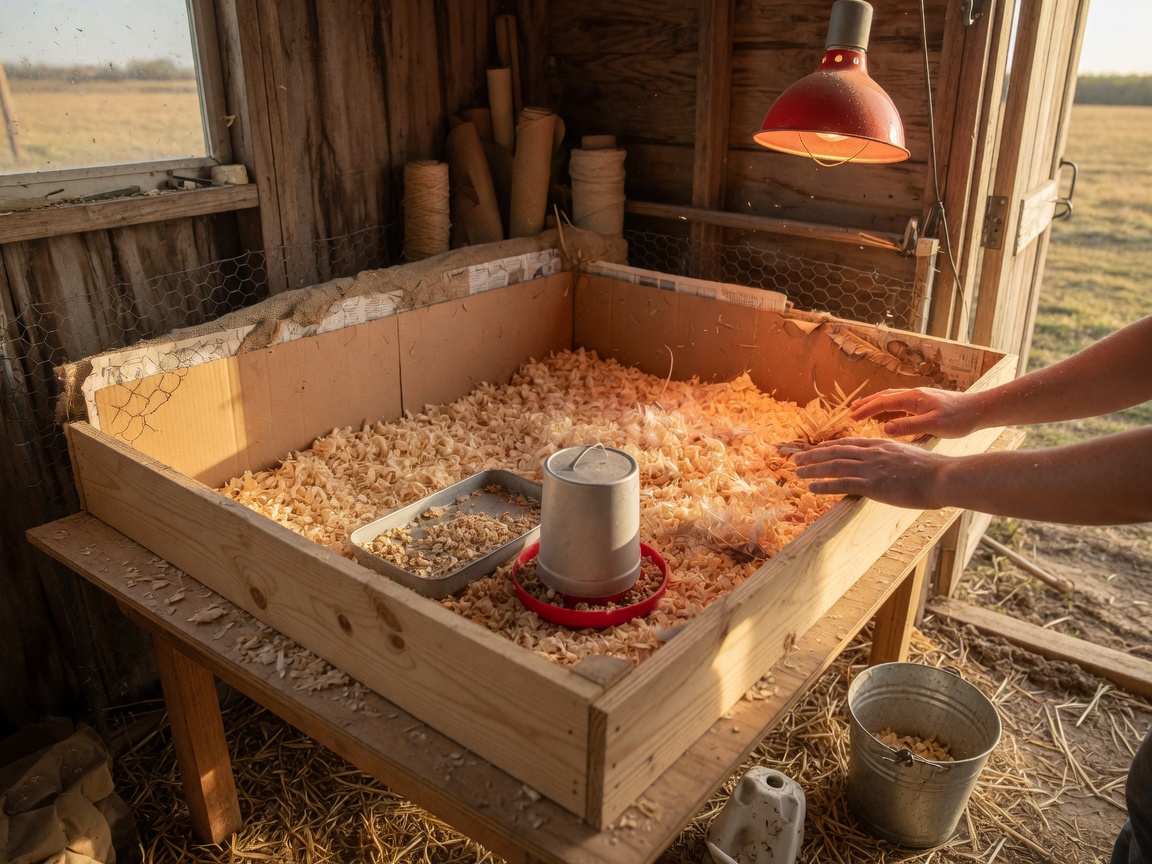
If a fifteen-chick minimum is more birds than your yard can hold, you don’t have to mail-order at all. Come late winter and early spring, farm stores run Chick Days — Tractor Supply and the local feed mills get in bins of day-olds you can buy in small numbers, three or four at a time, and carry home in a box that afternoon.
The tradeoff is honest: you get fewer breed choices, the sexing bins are less reliable than a hatchery’s, and the selection is whatever the truck brought. But for a first small flock in a suburban yard, walking in and picking out four pullets beats sorting out a fifteen-chick mail order. Watch the store’s Chick Days schedule the same way you’d watch a hatchery’s booking — the good breeds move fast there too.
Have the setup ready before they arrive
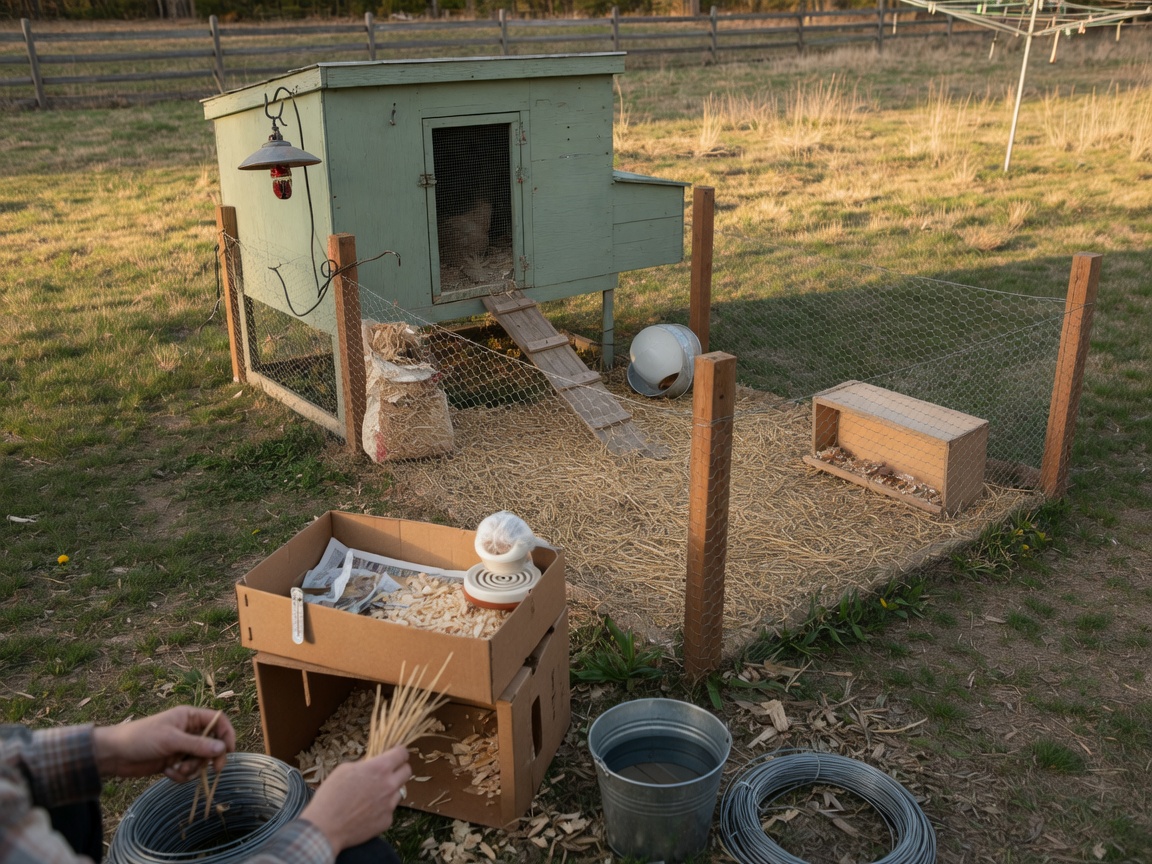
Whichever way you order, the brooder and the water need to be ready and running before the chicks land — not thrown together the morning the post office calls. A shipped chick arrives tired and a little dehydrated, and the first thing it needs is clean water with a pinch of Sav-A-Chick electrolytes stirred in to help it recover from the trip. I keep a packet on the shelf so I’m never caught without it. (My full routine for a rough arrival is in how to help chicks recover from shipping stress.)
For the brooder itself, a nipple-and-cup waterer is what I’d start a new keeper on, because the water stays sealed and clean instead of filling with shavings and droppings within the hour. Set it low enough for day-olds to reach, and tap a nipple so they see it drip. And while you’re ordering, go ahead and get the galvanized fount they’ll drink from once they’re out in the coop — it’ll be here and paid for by the time you need it, instead of being one more errand during a busy week.
You’ll also want a heat source (a radiant plate is my preference over a lamp), a proper chick feeder, and a thermometer for the brooder floor. I lay out that whole first-week list in my first-chick brooder setup checklist, and I cover the heat question — plate versus lamp — in raising chicks without a heat lamp.
One more planning note that saves heartache: decide on your breeds before you order, not from the catalog thumbnails. My rundown of the friendliest, most reliable beginner layers is in best egg-laying chicken breeds for beginners — read it before booking, because a breed you’ll live with for six or seven years is worth ten minutes of homework.
The calm version of spring chicks
Order early, count back from your frost, sort the rooster question before you buy, and have the brooder warm and the water clean before the box arrives. Do those four things and spring chicks are the easy, joyful part of keeping a flock instead of the scramble I made of it my first year.
I walk through the whole first year — brooder to coop to first eggs, and every mistake I made along the way — in my book, Raising Backyard Chickens for Beginners. This post is the ordering timeline. The book is everything that happens after the box shows up.
