How to Grow Herbs Indoors in Winter on a Windowsill
How to grow herbs indoors in winter with just a windowsill — the herbs that actually cooperate, the light problem that trips people up, and the watering trap.
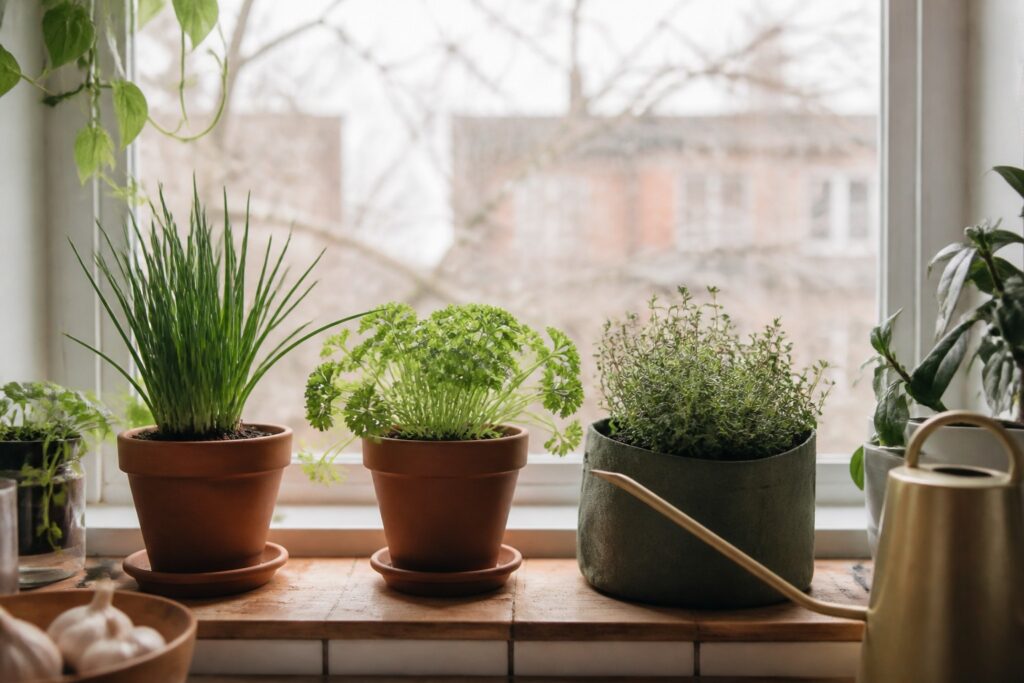
You don’t need a garden to have fresh herbs in January. You need a windowsill, a few pots, and honest expectations.
I keep a little row of herbs going on my kitchen sill all winter, and I’ll be straight with you about what that is and isn’t. It isn’t a harvest. You’re not going to feed a household of pesto off a Portland windowsill in December. What it is, is a small handful of fresh green — a few snips of chives for the eggs, parsley for a soup, mint for tea — pulled from a living plant instead of a sad plastic clamshell from the store. That’s a real pleasure, and it’s completely doable in the smallest space you’ve got.
Here’s what actually works, and the two things that kill more winter herb pots than the cold ever does.
Grow the herbs that actually cooperate
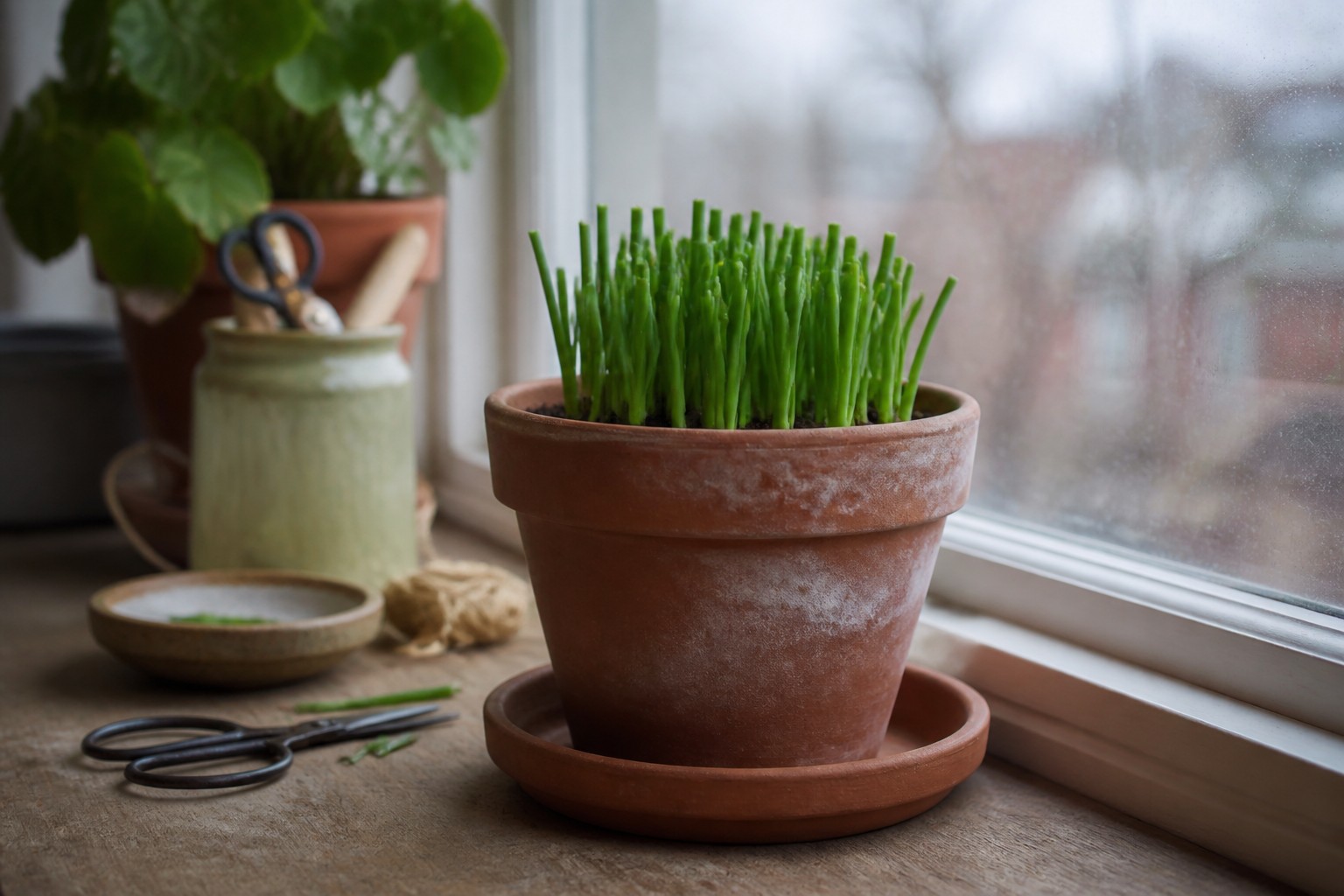
Not every herb wants to spend the winter on your sill, and starting with the wrong ones is how people decide they have a black thumb when they don’t.
The reliable ones. Chives, parsley, mint, thyme, and oregano are your winter workhorses. Chives you can dig from an outdoor pot, cut back, and bring in — they’ll sulk for a week and then keep handing you green. Mint is nearly impossible to discourage. Parsley and thyme are steady and slow, which on a windowsill is exactly what you want.
The gamble. Rosemary can make it indoors but hates dry heated air and drops needles to spite you. Basil is the one everybody tries first and the one that breaks their heart — it craves warmth and strong light that a winter window just doesn’t have. I killed more basil than I’d like to admit before I gave up and let it be a summer plant.
Start with two or three of the reliable ones. A pot of chives and a pot of parsley will do more for your cooking than a whole windowsill of things limping along.
The real problem is light, not cold
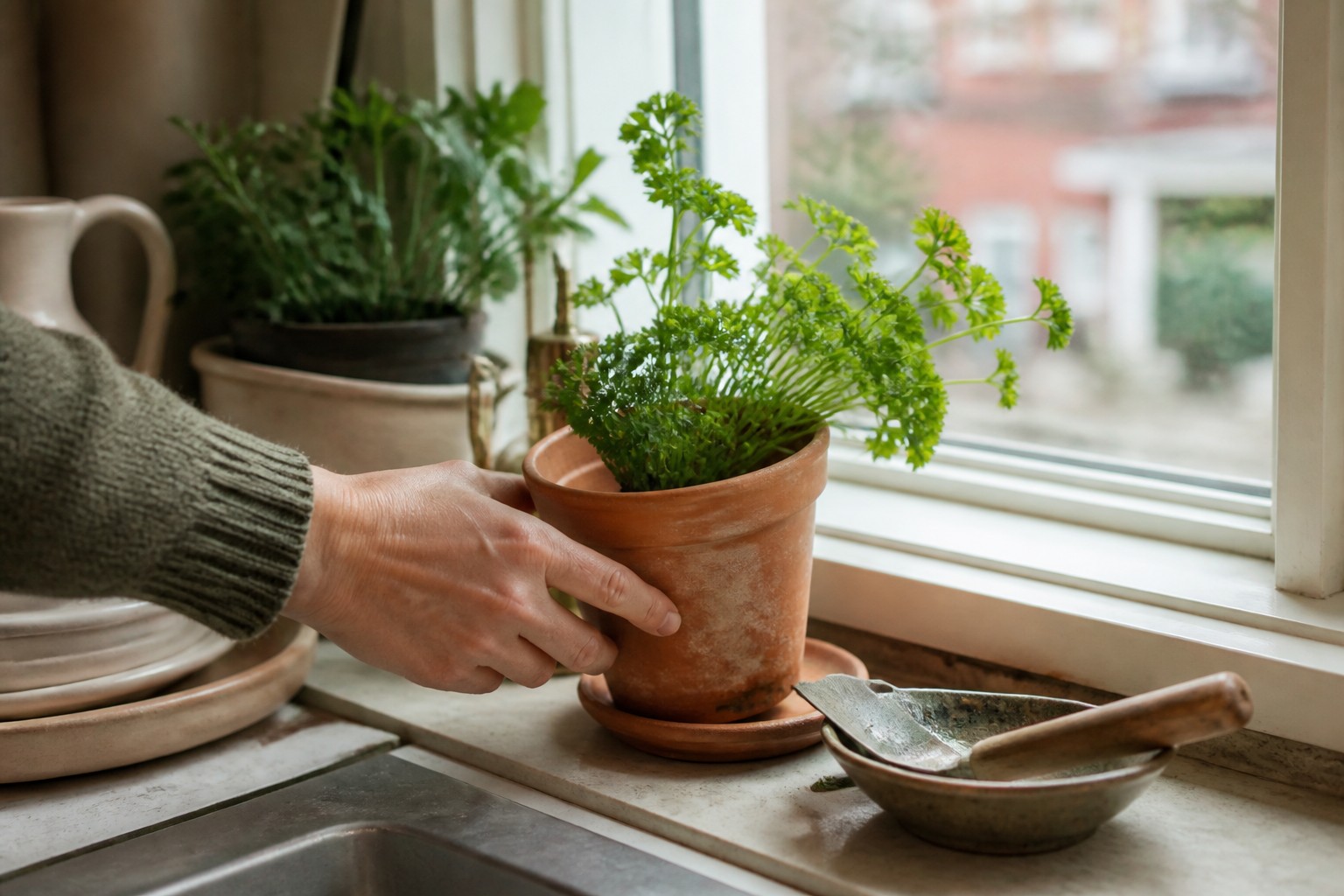
Here’s the thing. Your heated kitchen is warm enough; that’s not the issue. The issue is that a winter day is short and the sun is low, and most herbs want six hours of good light to stay compact and productive.
A bright south-facing window is your best spot — set the pots right up against the glass. An east or west window can work for the tougher herbs. A north window, honestly, won’t cut it for anything but mint. And whatever light you’ve got, rotate the pots a quarter turn every few days, or the plants lean hard toward the glass and go lopsided. This is where light fabric grow bags earn their keep — they’re easy to pick up and shuffle to the brightest spot as the winter sun moves.
If your herbs still stretch tall and pale and floppy — that’s called getting leggy, and it means they’re reaching for light that isn’t there — the honest fix is a small clip-on grow light on a timer for a few hours a day. I use one and it makes a real difference in the darkest weeks. I don’t have a specific model I’d stake my name on to link you to yet, so read the reviews and pick a small full-spectrum clip light that fits your sill; any decent one beats a dim window in December.
Don’t drown them — the winter watering trap
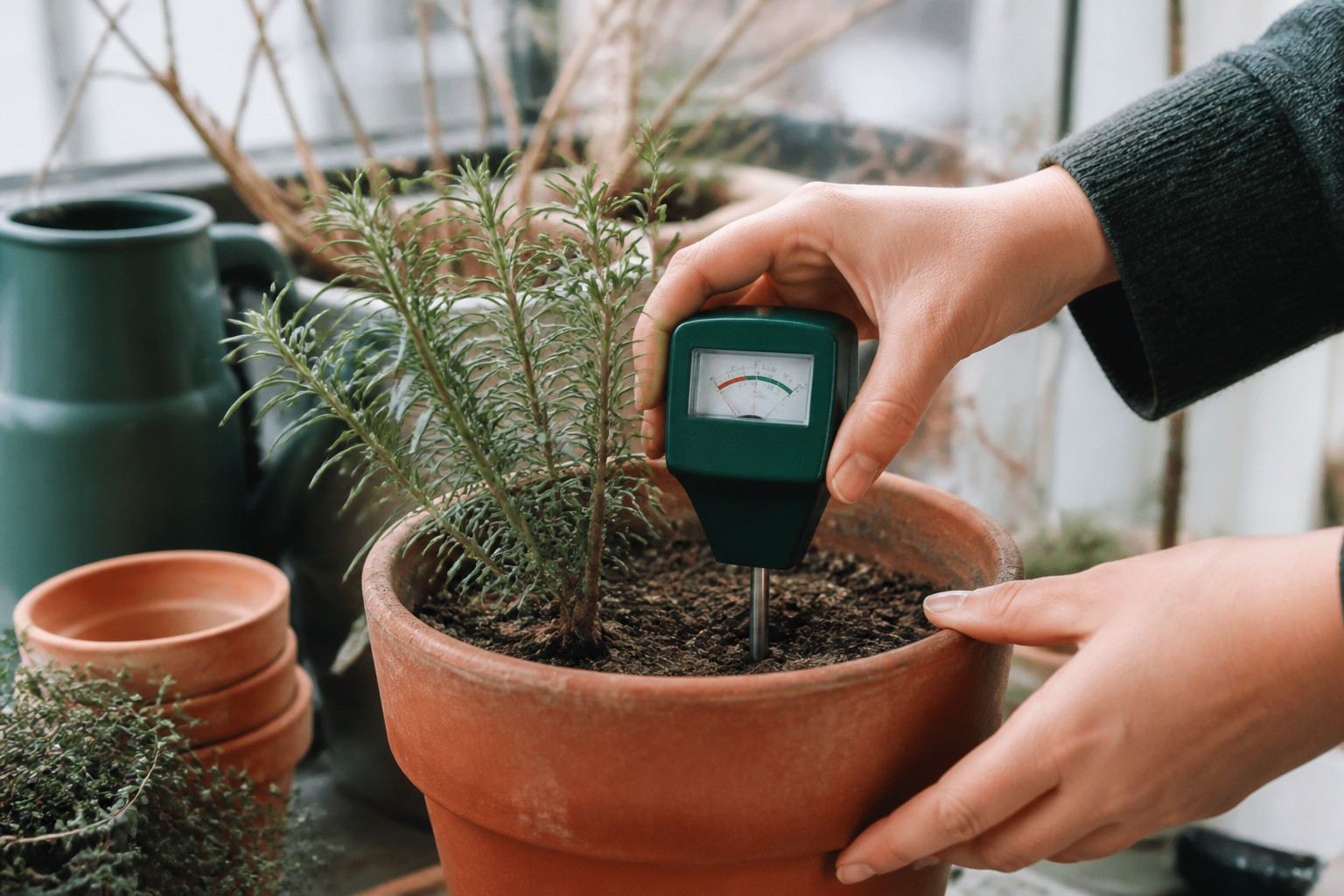
If light is the first killer, overwatering is the second, and it gets more people. Here’s why.
A herb on a cool, dim windowsill in winter is barely growing. It’s sipping, not drinking. So the soil dries out slowly — and if you keep watering on your summer habit, the roots sit in cold, wet soil and quietly rot. It looks exactly like the plant died of cold, and it didn’t. I’ve done it, more than once.
So before I water anything, I push the soil moisture meter down to root level and actually look. If it reads damp, I walk away. When it does read dry, I give a small, careful drink with a long-spout can right at the soil, keeping water off the leaves, and I never let a pot sit in a saucer of standing water — tip that out. A self-watering planter is lovely for steady summer moisture, but in winter run its reservoir nearly dry and check it with the meter like any other pot. If you’ve already got a plant that’s gone soft and yellow from too much water, my guide to saving an overwatered container plant walks through the rescue — but in winter, the fix is almost always to just stop watering.
A few small things that help
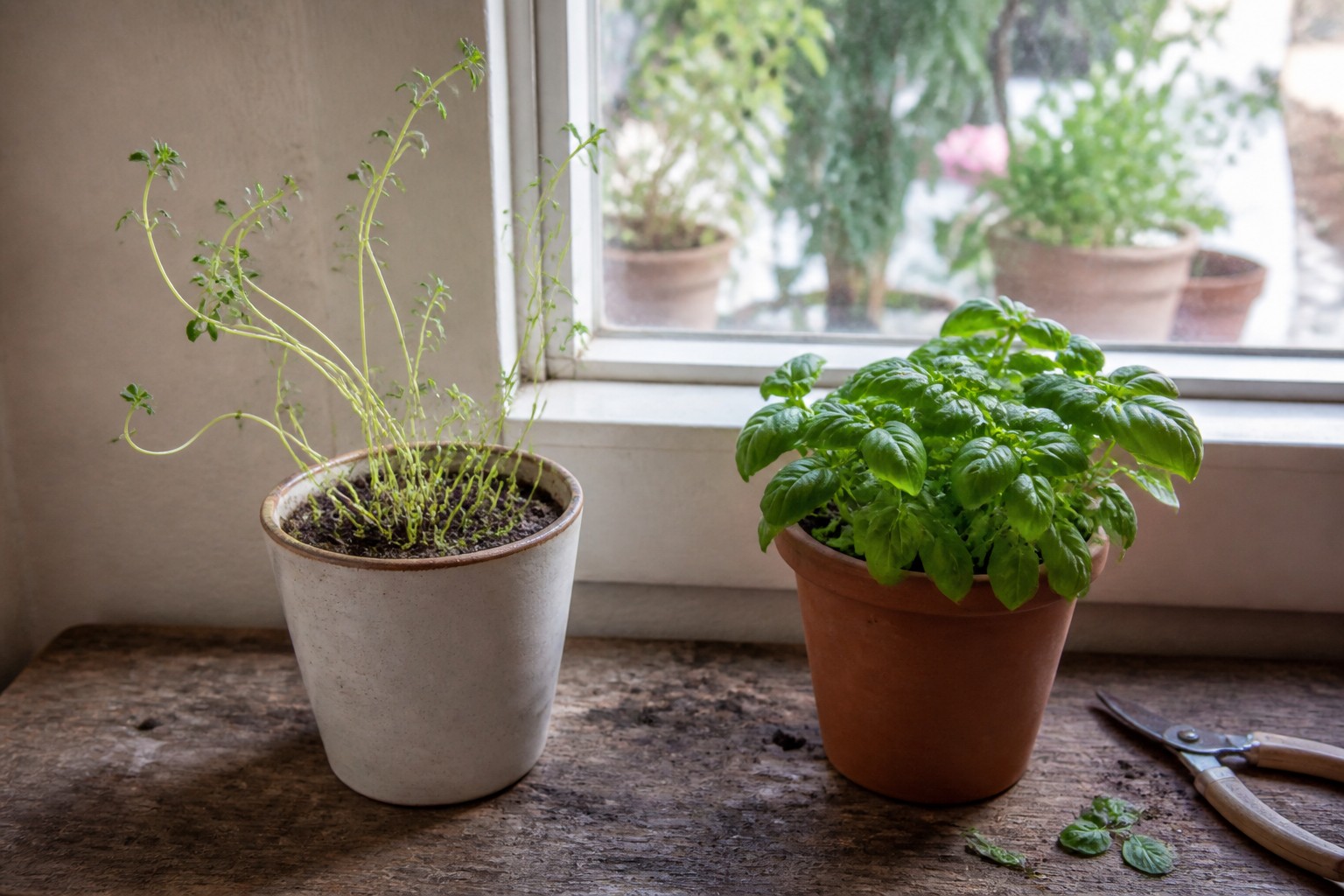
Keep the pots off a freezing pane overnight — the leaves touching cold glass will burn — and away from the direct blast of a heat vent, which dries them out fast. Harvest with a light hand; take a little from several plants rather than shearing one bare, so each keeps growing. And don’t fertilize much, if at all — a barely-growing winter plant doesn’t need it, and you’ll do more harm than good.
That’s the whole of it. A sunny sill, the herbs that cooperate, a careful hand with the water, and a little extra light in the darkest weeks. Otto, for the record, considers the parsley pot a personal salad bar, same as the calendula, so mine lives at the back of the sill where a curious terrier can’t reach.
If you want the whole small-space calendar — what to grow in pots and bags and tight corners through every season, indoors and out — I go through all of it in Small-Space Big Harvest. A winter windowsill is really just keeping the green going until spring. And if you’re ready to grow more of your kitchen herbs from scratch, my guides to growing herbs in containers and starting seeds indoors on a windowsill are the natural next places to go.
