The Best Egg-Laying Chicken Breeds for Beginners
The best egg-laying chicken breeds for beginners, from a keeper who's raised most of them — honest picks with the pros, the cons, and how many eggs to really expect.
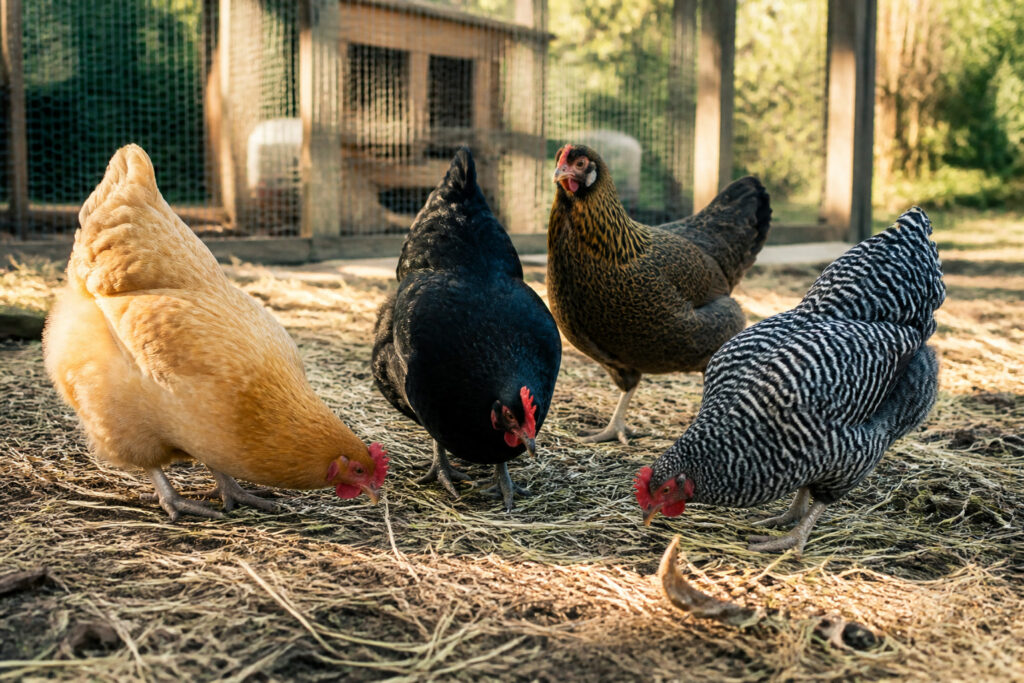
When someone tells me they’re getting their first chickens, the very next question is almost always the same: which breed should I get? It’s the right question to ask, and it’s one people overthink themselves into knots over. There are a couple hundred breeds out there and a whole internet ready to argue about all of them.
Here’s the good news. For a beginner who mainly wants a steady basket of eggs and birds that are easy to live with, the field narrows fast. You want a hen that lays well, handles your weather, and doesn’t lose her mind when the kids run through the yard. Below are the breeds I actually steer new keepers toward, with the honest pros and cons of each — including the ones the hatchery catalogs leave out. If you’re still sorting out the setup itself, my first-chick brooder checklist walks through the gear before the girls come home.
A word before the list: nobody lays through everything. Every breed here slows down in winter’s short days and stops cold during the fall molt. That’s normal. And I’ll give you real egg numbers, but treat them as a good year on good feed — your mileage varies with weather, age, and how well you feed them.
Australorp — my first pick, and it isn’t close
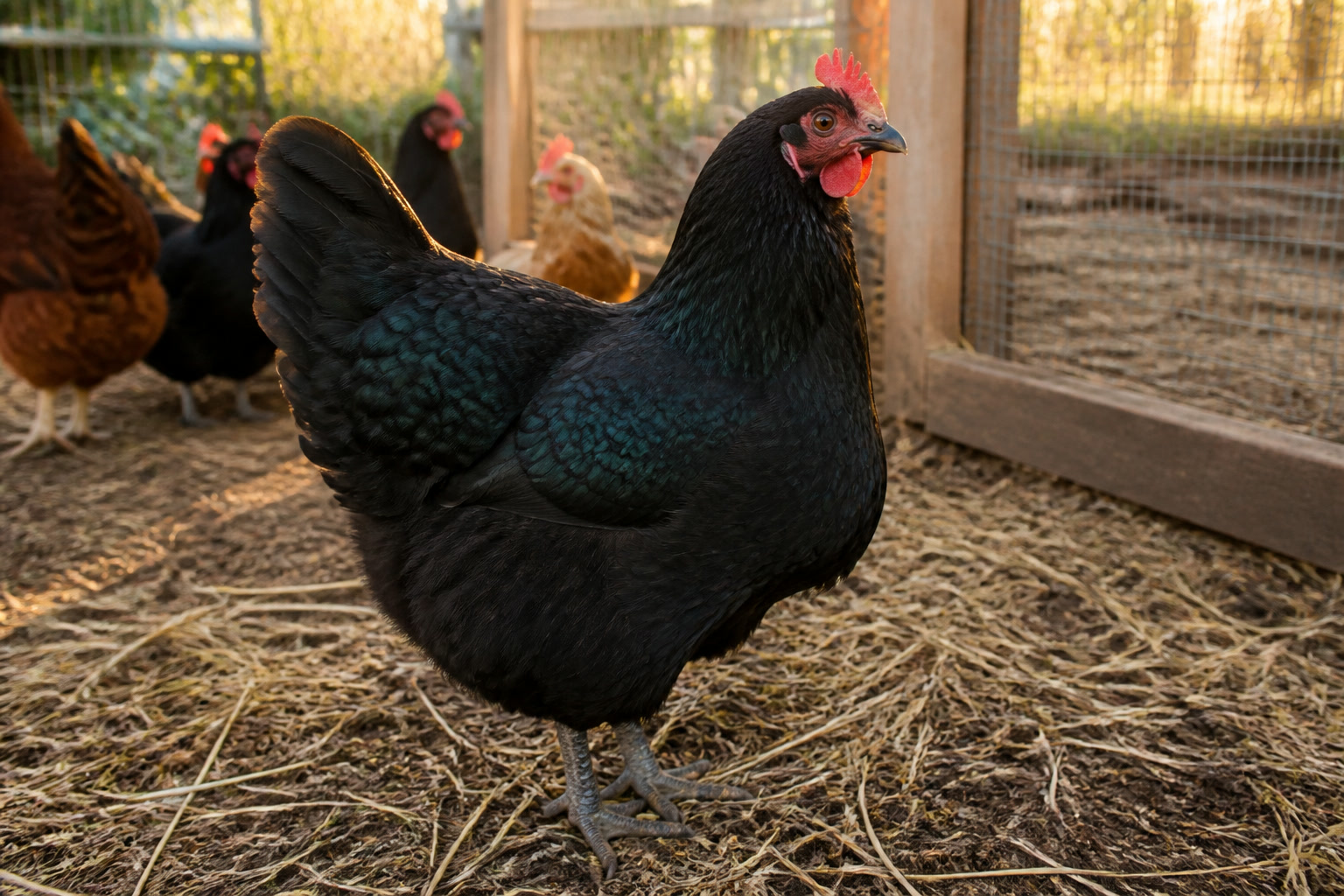
If you made me hand a new keeper exactly one breed, it’d be the Australorp. Mine have been the steadiest layers I’ve kept — a good hen gives you 250 or more big brown eggs a year, and the breed holds the record for laying, north of 300 in a test year. They’re calm, they’re hardy in both heat and cold, and they’ve got a glossy black feathering with a green sheen that’s genuinely pretty in the afternoon sun.
The cons are small. They’re a heavier bird, so they eat a bit more than a lean production hen. And “calm” cuts both ways — an Australorp is not a flighty, watchful bird, which means she’s not great at spotting a hawk. But for pure return on a beginner’s effort, I haven’t found better.
Plymouth Rock — the friendly all-rounder
The Barred Rock — the black-and-white striped one everybody pictures when they think “farm chicken” — is the breed I recommend for families with young kids. They’re friendly to the point of following you around the run, they lay a reliable 200 to 250 light-brown eggs a year, and they’re tough birds that shrug off cold.
I’ll give you my honest con, because it’s a real one. My first Plymouth Rocks were beautiful, friendly, and absolutely useless at predator awareness. We lost two in year one to a fox that walked right up to the run in broad daylight while the girls just watched. That’s not the breed’s fault — that’s a run that wasn’t covered, and it taught me to fix my fencing, not my flock. But if you free-range, know that a Rock is a trusting bird, and trusting birds need you to do the watching for them.
Rhode Island Red and the Red Sex Links — the egg machines
If eggs are the whole point and personality is a bonus, this is your lane. A Rhode Island Red is a hardy, hard-laying classic — 250-plus brown eggs a year and famously unbothered by rough weather. The Red Sex Link (sold under names like Golden Comet, ISA Brown, or Cinnamon Queen) is a hybrid cross bred purely for eggs, and she’ll out-lay nearly everything on this list, often 300 in her first two years — with the handy bonus that you can tell the pullets from the cockerels by color at hatch, so you’re far less likely to end up with a surprise rooster.
The catch, and it’s worth knowing before you buy: those production hybrids lay so hard, so young, that they tend to burn out sooner. A Red Sex Link may give you two blazing years and then taper off fast, where a heritage breed lays a little less but keeps at it longer. And Rhode Island Reds, especially the roosters, can be bossy — I’ve known a few hens who ran the whole yard like they owned it. Good layers, just not always the gentlest.
Buff Orpington — the gentle one for kids and cold
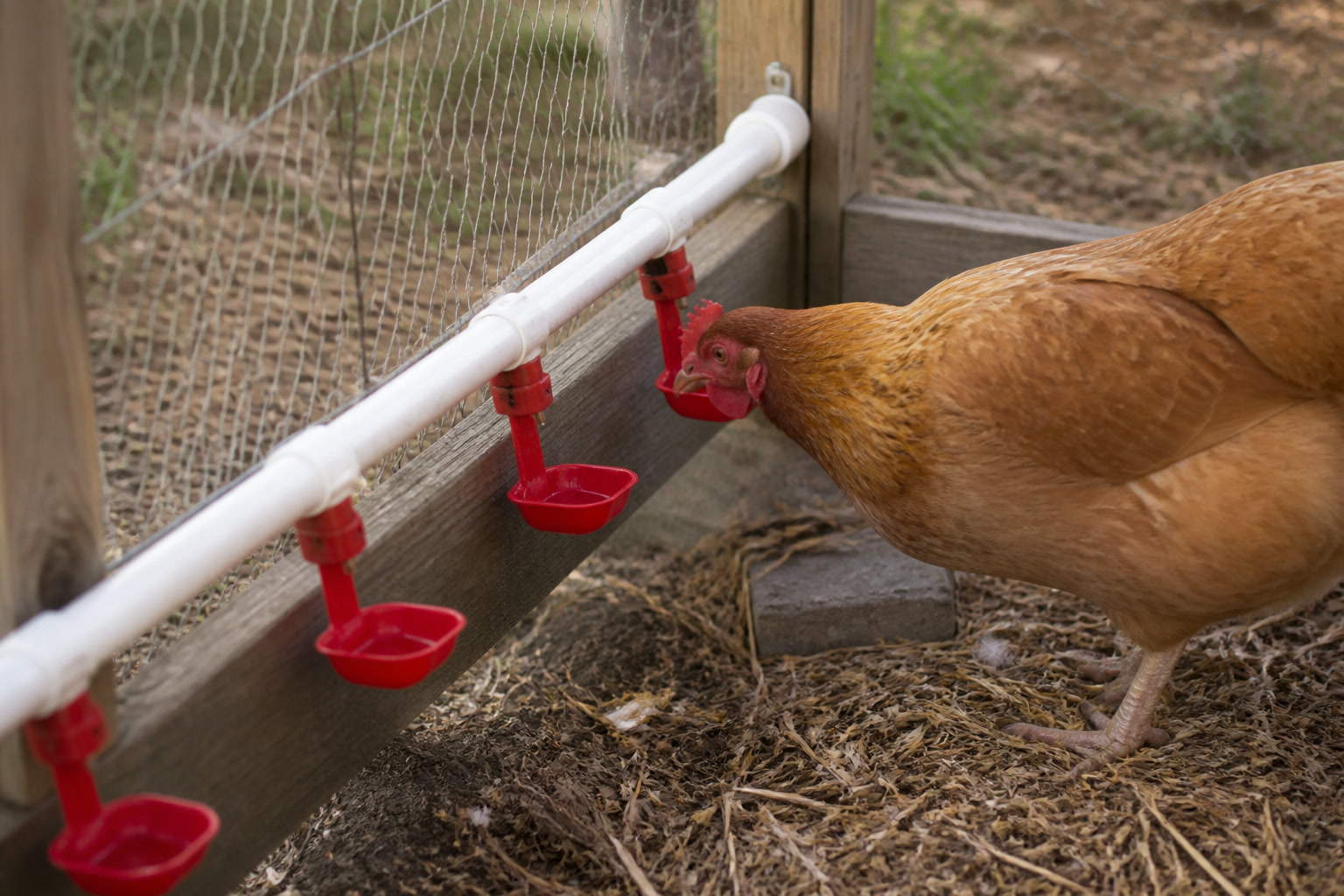
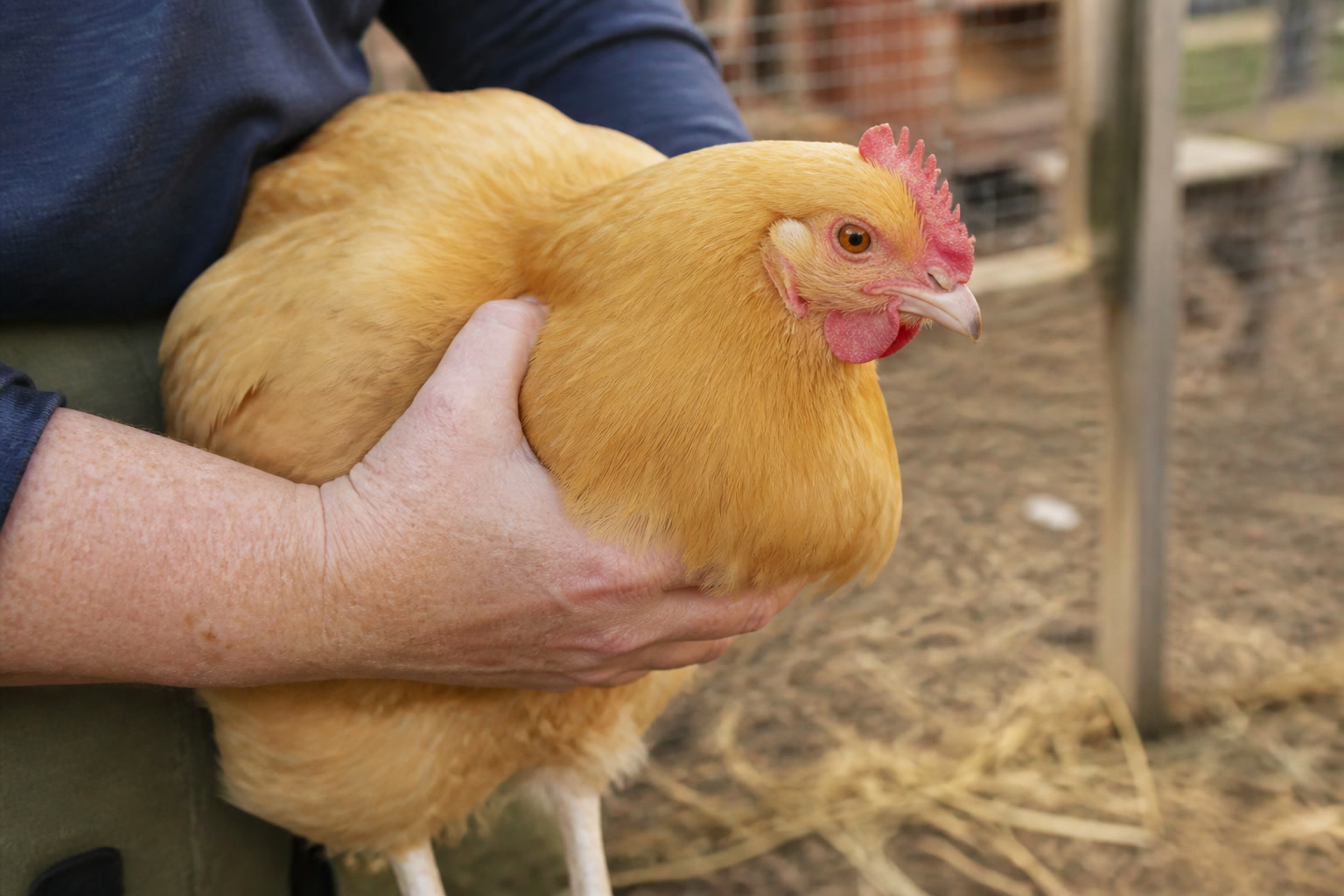
The big golden Buff Orpington is the hen people fall in love with. She’s docile, she’s a lap chicken if you handle her young, and her loose, fluffy feathering makes her one of the best cold-weather birds you can keep. She’ll give you a respectable 180 to 220 brown eggs a year. For a family that wants pets that happen to lay, this is the breed.
Two honest cons. First, she lays a little less than the workhorses above — you’re trading a few dozen eggs a year for temperament, and for a lot of folks that’s a fine trade. Second, Orpingtons go broody more than most, meaning a hen will decide to sit on a clutch and quit laying for weeks while she does. Charming if you want chicks, mildly annoying if you just want eggs.
Easter Eggers — for the blue and green eggs
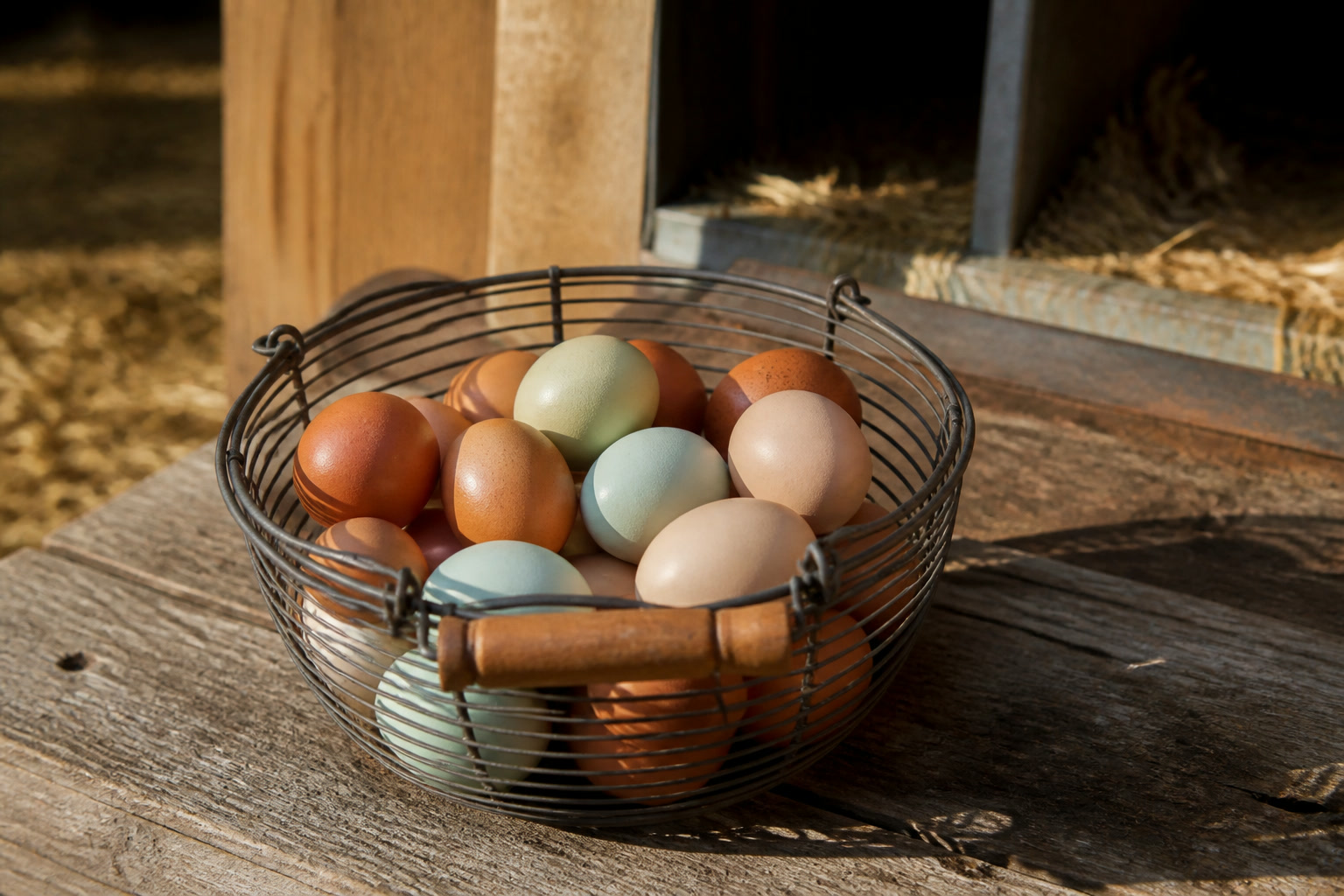
I’ll end with the fun one, because a beginner flock ought to have a little joy in it. Easter Eggers aren’t a formal breed — they’re a mix carrying the blue-egg gene — and each hen lays her own signature color, anywhere from sky blue to olive green to pinkish tan. You get 200 or so eggs a year, on a hardy, friendly, easy bird. A carton with three shades of blue in it never stops being a small delight, and it’s the thing that gets kids running to the coop.
The only con worth naming is the flip side of what makes them fun: because they’re a mixed bag, Easter Eggers vary. One might be a champ and her sister a middling layer, and the egg color you get is a surprise until she starts. If you want a guaranteed blue egg, you’re looking at a true Ameraucana, which costs more and is harder to find. For most beginners, the Easter Egger’s variety is a feature, not a bug.
A honest word on the numbers — and mixing your flock
Two things I tell everyone. First: don’t chase the highest egg count on paper. Six hens from this list will bury a family in eggs at the peak of summer regardless of which ones you pick, and backyard eggs are not cheaper than the store for your first year or two once you count feed and setup — you keep chickens for the eggs you know, and for the birds themselves, not to save money. Feed them right and the laying follows; my best-eggs feeding post covers that side.
Second: mix your flock. Get two or three of a couple of these breeds rather than six of one. You’ll spread out your egg colors, hedge against a breed that doesn’t suit your yard, and — my favorite reason — you’ll actually learn who’s who. If you’re adding a new breed to birds you already have, do it carefully; my introducing-new-chickens guide will save you some pecking-order grief.
Picking breeds is the fun part. Keeping them alive and laying through their first full year — the brooder, the coop, the molt, the winter slowdown, the predators — is the part that trips people up, and it’s the whole reason I wrote Raising Backyard Chickens for Beginners. Choose a couple of these girls, then let the book get you and them through to your first full basket. Know your girls.
