How to Fish a Pond in Cooler Weather, Step by Step
As the water cools, pond fish move and feed differently. Here's how pond fishing in cold weather works — where the fish go, when to go, and how to catch them.
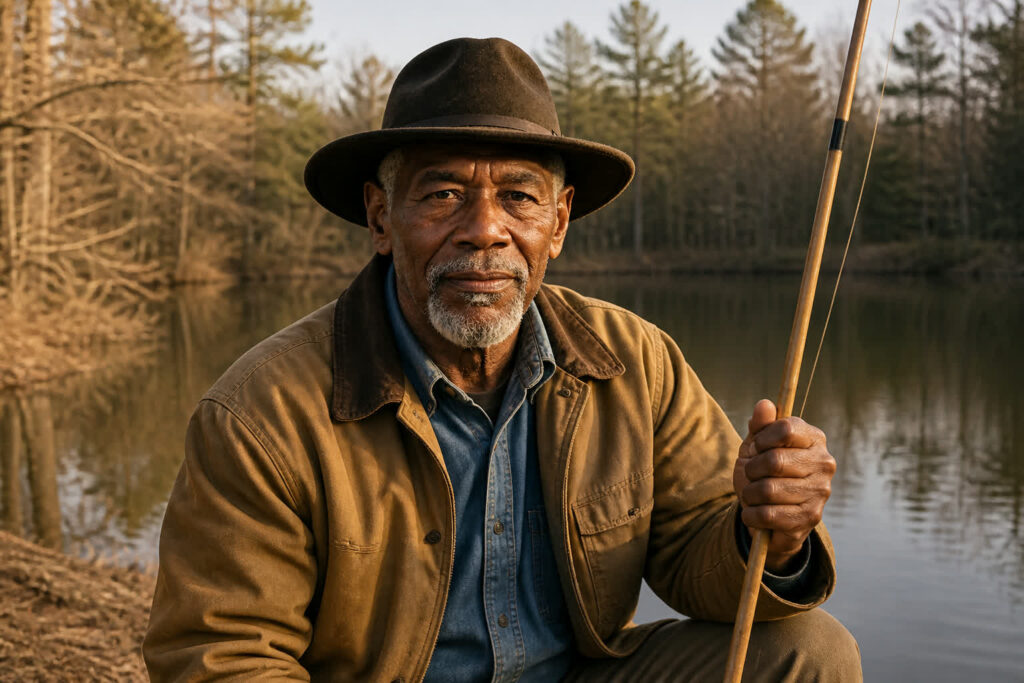
When the first real cool spell settles in over eastern North Carolina, most folks put the poles up and wait for spring. That’s a mistake, and it’s one I made myself when I was young. A pond doesn’t empty out when the weather turns. The fish are still in there, still eating — they’ve just changed where they sit and when they feed. Learn what the cool water does to them, and fall and winter can be some of the finest, quietest fishing of the whole year. I’ve caught many a mess of bluegill and channel cat off my own bank with a frost on the grass.
My name is Silas Whitfield, and I’ve fished the same pond most of my life. My granddaddy taught me to read the water before he ever taught me to cast, and reading it is most of what cool-weather fishing is. Let me walk you through it, the way it was talked to me — where the fish go, when they’ll bite, and how to fish slow enough to catch them.
First, understand what the cold does to a fish
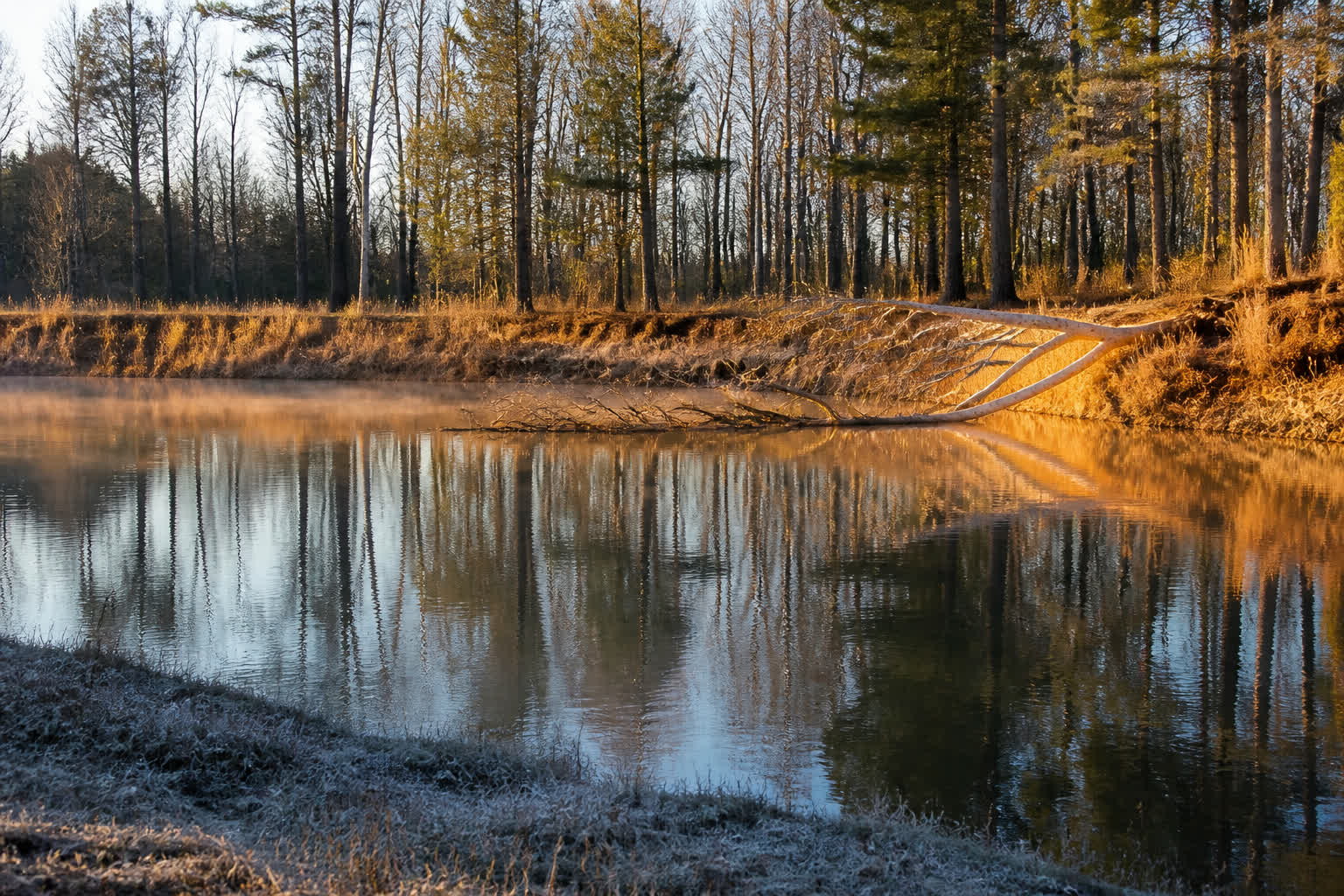
Here’s the thing to hold onto, because the rest follows from it. A fish is cold-blooded. The water sets how fast its body runs. When the water’s warm, a bluegill’s engine runs high and he’ll chase a cricket halfway across the pond. When the water drops down into the fifties and forties, that engine idles low. He still eats — he just eats less, slower, and he won’t move far to do it.
So cool-weather fishing isn’t about the fish being gone. It’s about the fish being slow. Everything you do from here is about meeting a slow fish where he already is, and giving him something easy. Once you think of it that way, it stops being a mystery.
Where the fish go when it cools off
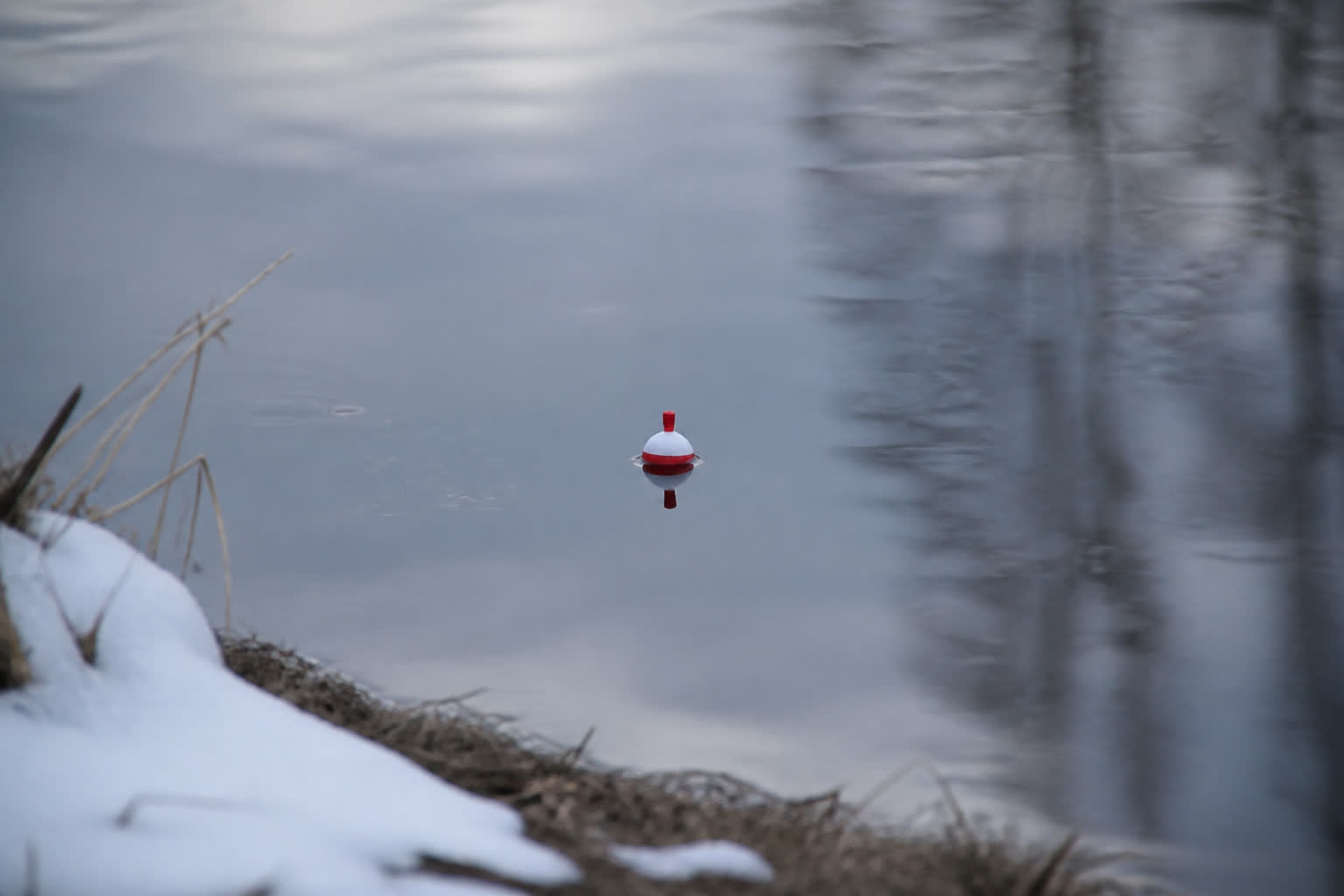
In the warm months, the fish are up shallow, in the weeds and along the bank. As the water cools, they pull toward the deepest water the pond holds, because deep water holds its warmth steadiest and changes slowest. In most farm ponds that means the hole down by the dam, or the old creek channel if the pond was built across one.
But here’s the part worth knowing, the part that puts fish in your bucket. On a bright, still afternoon, that cold water up in the shallows will warm a few degrees in the sun — and the fish will slide up out of the deep to soak in it and feed. The best spot on a cool day is often the north bank, the one the low sun shines on longest, especially where there’s dark bottom or a downed tree to hold the heat. Warm mud, an old laydown, the sunny side of the dam. That’s where I’d start.
When to go: the cool-weather clock flips
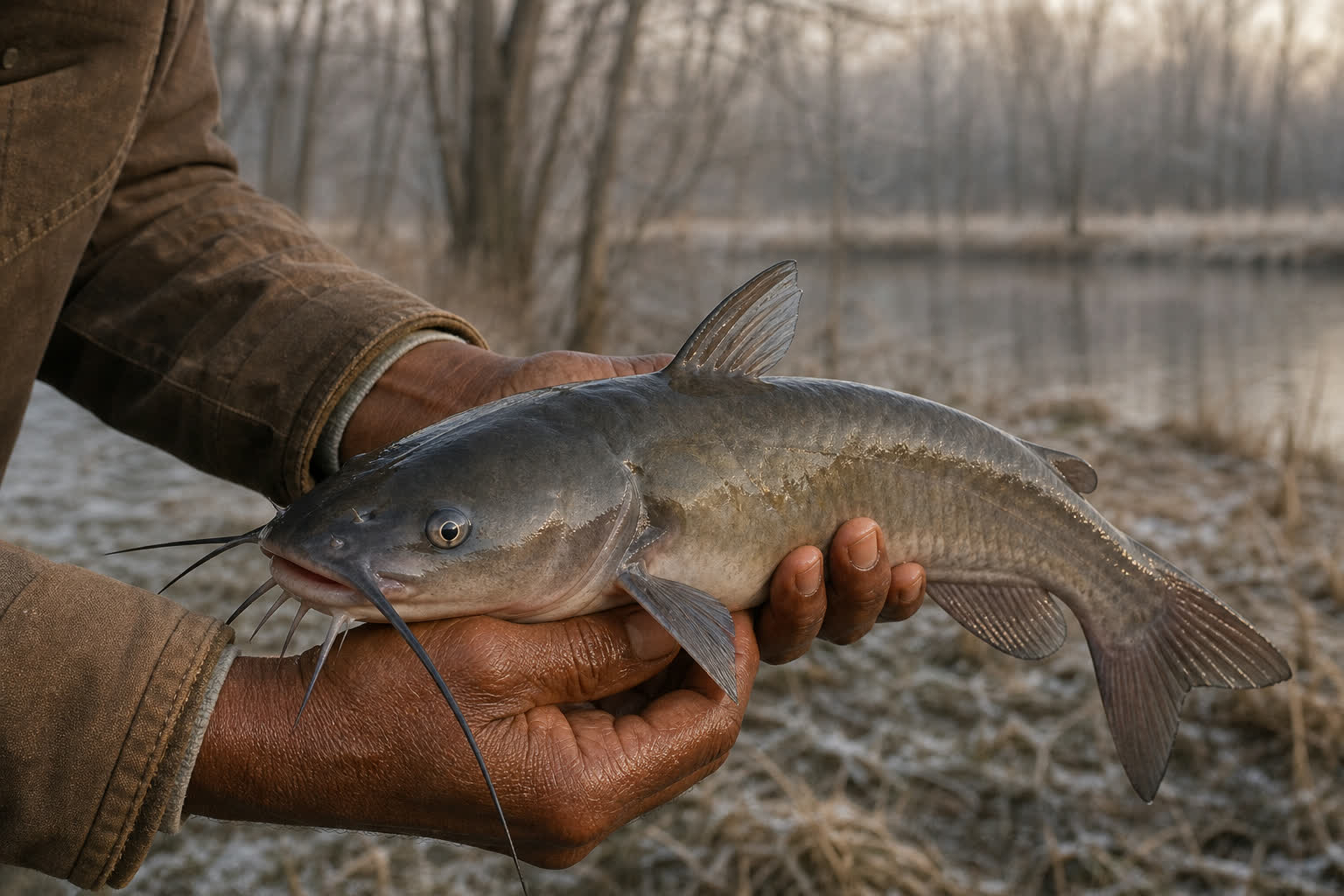
In summer I’ve always told beginners to fish the low light — first thing at dawn, last thing at dusk. Cool weather turns that clock right around. Now the middle of the day is your friend.
You want to fish the warmest part of the afternoon, once the sun’s had all morning to put a little heat back in the shallows. On a cold day I’m in no hurry to get to the water at daybreak. I’d rather let the sun do its work, get there around midday, and fish through the warmest few hours. A run of two or three mild, sunny days in a row is better still — each one warms the water a touch more, and by the third afternoon the fish have found the warm corners and settled in to eat.
And watch the weather the way you would any time of year. A mild spell with a front easing in will still turn the fish on. A hard cold snap that drops the water fast will shut them down for a day or two until they adjust. That’s not a day to be stubborn about. Knowing when not to go is half of reading the signs.
Fish slow — slower than you think
This is where most folks go wrong in cool water, so I’ll say it plain. A slow fish will not chase. If you fish fast, you’ll drag your bait right past his nose and never know he was there.
Fish a bait still, or close to it. A worm or a cricket a foot or two under a bobber, set right down in front of where the fish are holding, and then leave it be. No twitching, no reeling it back to cast again every minute. Cool-water fishing rewards patience more than motion. Give a fish time to ease over and take it. When your bobber does go under, it may just lean and slide slow rather than dunk hard — set the hook on that. A cold bluegill mouths a bait gentle.
For channel cat, a piece of cut bait or a nightcrawler on the bottom, down in that deep hole by the dam, will still take fish well into the cold. Catfish keep feeding lower and longer than most give them credit for; you just have to sit still and let them find it.
Keep it simple and dress for the bank
You don’t need special cold-water tackle for a pond. The same cane pole or the same little rod-and-reel with a bobber and a hook does everything I’ve described. Bring live bait if you can — worms and minnows out-fish artificials when the water’s cold and the fish are sluggish and want an easy, real meal.
Mind yourself out there more than you do in summer. Cold water is no place to slip in, so watch a muddy or frosty bank, keep back from thin edges, and dress warm in layers with something dry to sit on. A thermos of coffee has saved more cold-weather fishing trips than any lure ever made.
The reward of the cold months
There’s a peace to a pond in the cool of the year that the summer never has. No crowds, no heat, no bugs. Just you, the still water, and a slow fish that’ll bite if you do it right. It’s the finest time I know to take a grandchild out — my grandson Isaiah caught on to reading the water on those quiet cold afternoons better than he ever did in the summer rush, because there was time to teach and time to watch.
I keep a little almanac from my own pond, and I put together a simple one you can use for yours — it marks the best days to fish each month by the moon, with a plain checklist for the weather and the water so you can read your own pond through the cool months the way my granddaddy read his. I give it away free — you can pick up the Best Days to Fish starter kit here. Keep it by the door, and you’ll know which cold afternoons are worth the trip.
Read the signs. Tight lines — and I’ll see you at the water.
