Why Chickens Stop Laying in Winter (and What to Do)
Why chickens stop laying in winter — the four real reasons the eggs slow down, why daylight matters more than cold, and what I do about it in Tennessee.
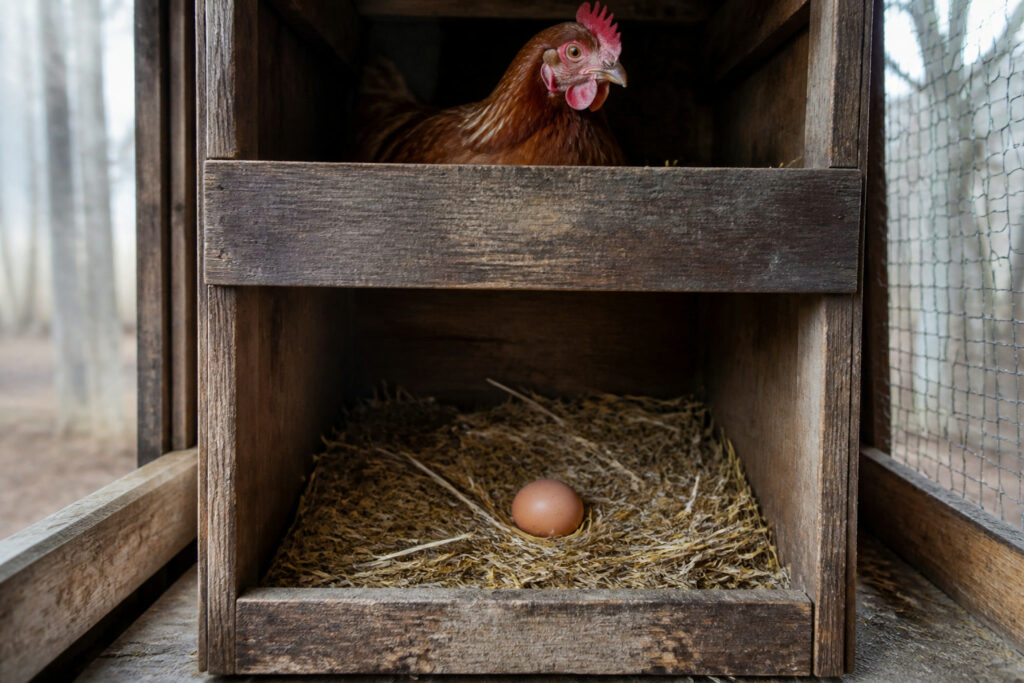
Every fall I get the same message, usually with a photo of an empty nesting box: “Ruth, my hens just quit. Did I do something wrong?” Almost always the answer is no. A flock that pours out eggs all summer and then trails off as the days get short isn’t broken and isn’t sick. It’s doing exactly what a hen’s body is built to do. But “it’s normal” isn’t a satisfying answer when you’re paying for feed and getting nothing back, so let me walk you through what’s actually happening in there — and what’s worth doing about it, and what isn’t.
There are really four reasons the eggs slow down when the year does, and they stack on top of each other. Once you can tell which one you’re looking at, you’ll know whether to shrug it off or step in.
That’s a short list on purpose. Most of what a hen needs to get through winter isn’t something you buy — it’s daylight she can’t have, and rest you shouldn’t fight. But the molt is the one place a little support genuinely helps, so I’ll come back to it.
Reason one: daylight, and it’s the big one
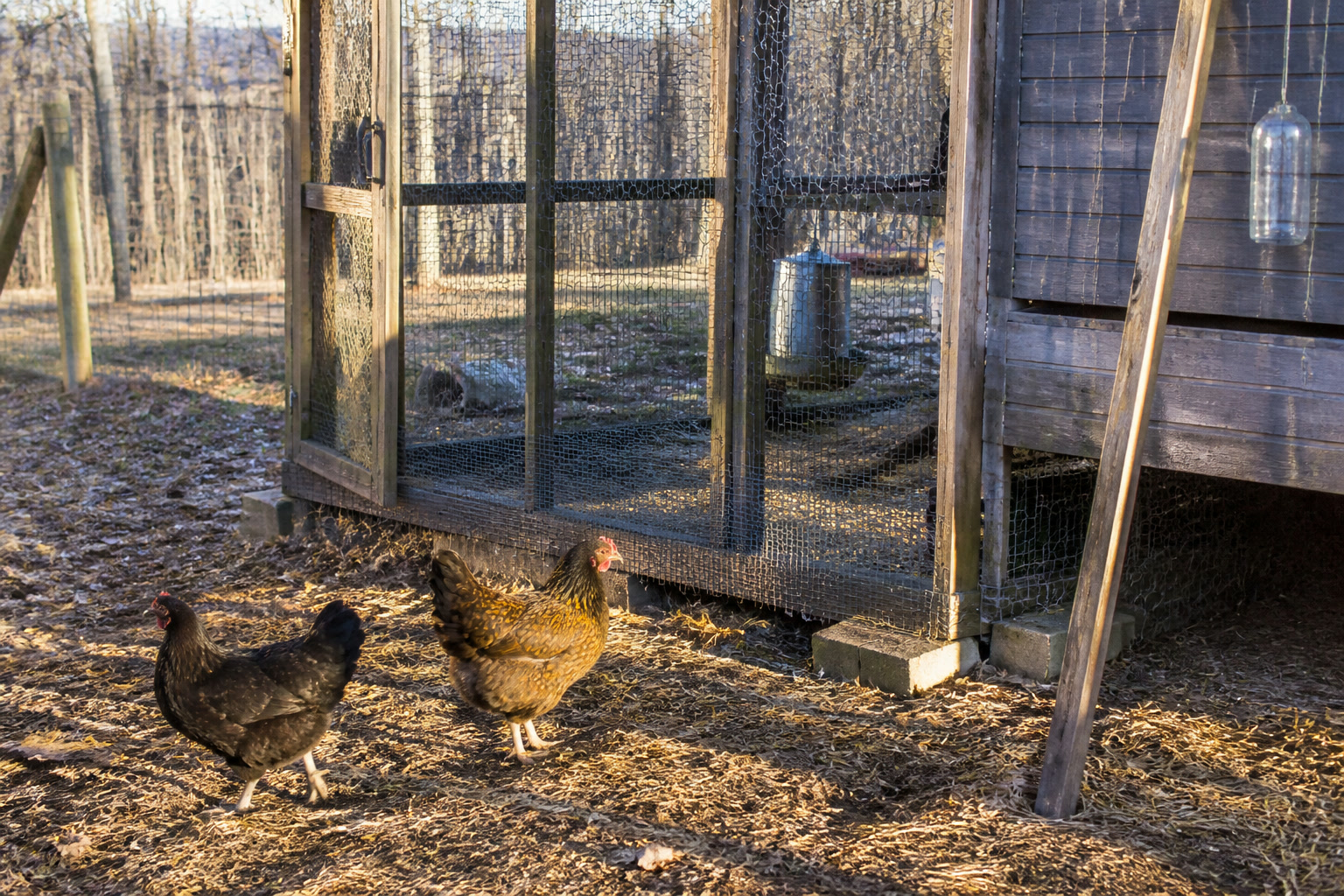
Here’s the piece most new keepers miss, because it’s invisible. A hen lays on a light cue, not a temperature cue. Her body needs somewhere around fourteen hours of daylight to keep the laying machinery running full-tilt. Come fall, as the days drop below that, a gland behind her eye reads the shortening light and quietly throttles egg production back. By the dead of a Tennessee December — under ten hours of daylight — a lot of hens simply stop.
This is why the cold gets blamed and mostly shouldn’t be. It isn’t the chill that shuts them down; it’s the dark. I’ve had the girls lay right through a hard frost when the light held, and quit in mild weather once the days got short. If you want the one-sentence version: short days stop eggs, not cold nights.
Reason two: the molt
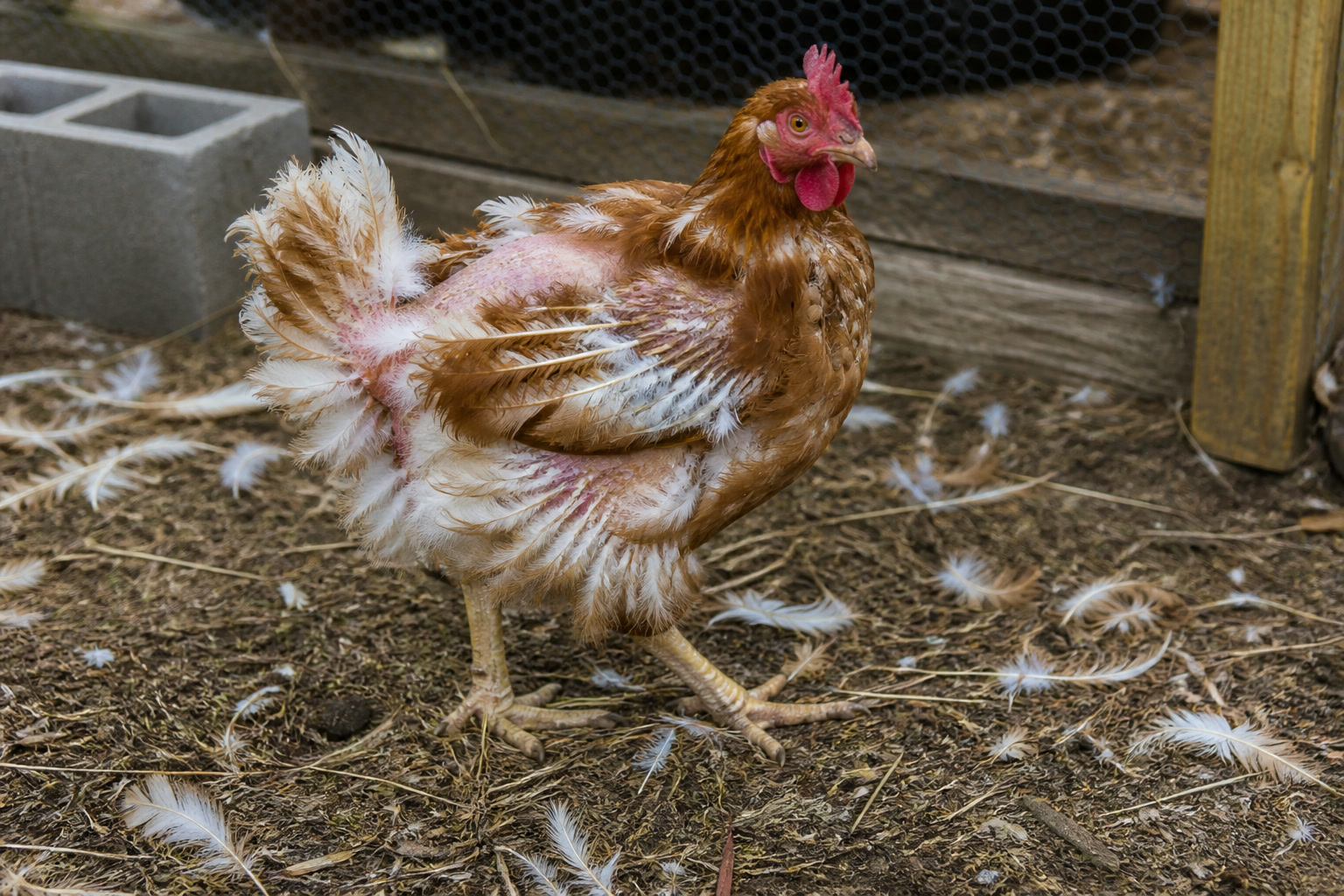
The second reason usually hits right about the same time, which is why fall feels like everything quits at once. Sometime in their second autumn and every fall after, hens molt — they drop their old feathers and grow a fresh set to get through winter. Growing feathers takes an enormous amount of protein, and a hen can’t build feathers and make eggs at the same time. So laying stops while she refeathers.
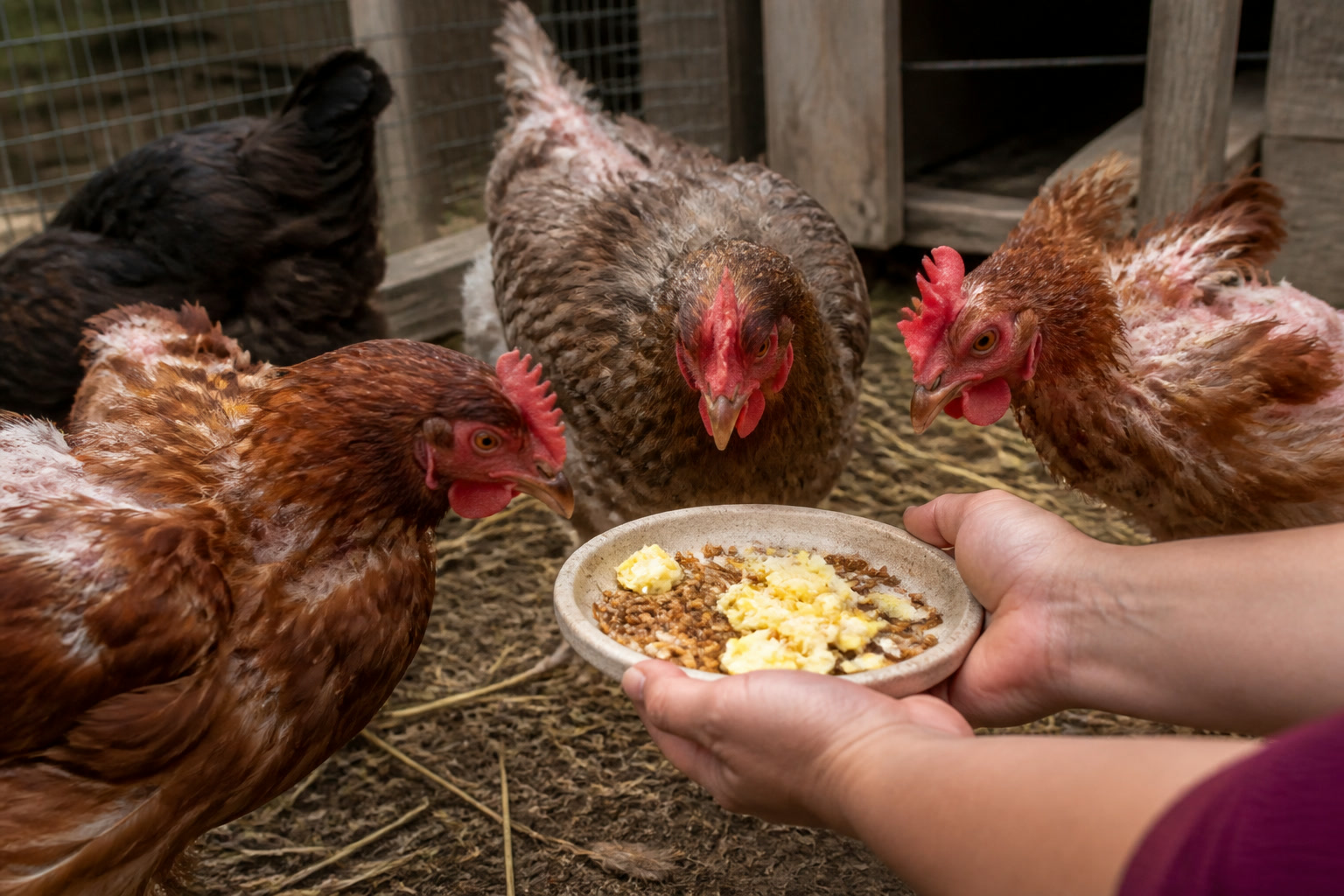
You’ll know a molt when you see it: feathers scattered around the run like there was a pillow fight, and birds looking ragged, patchy, sometimes downright pitiful. A hard molt can shut a hen down for six weeks or more. My Australorps go through it fast and tidy; I had a Buff Orpington who looked like a plucked mess for two months every single year. Different birds, different molts — it’s normal either way.
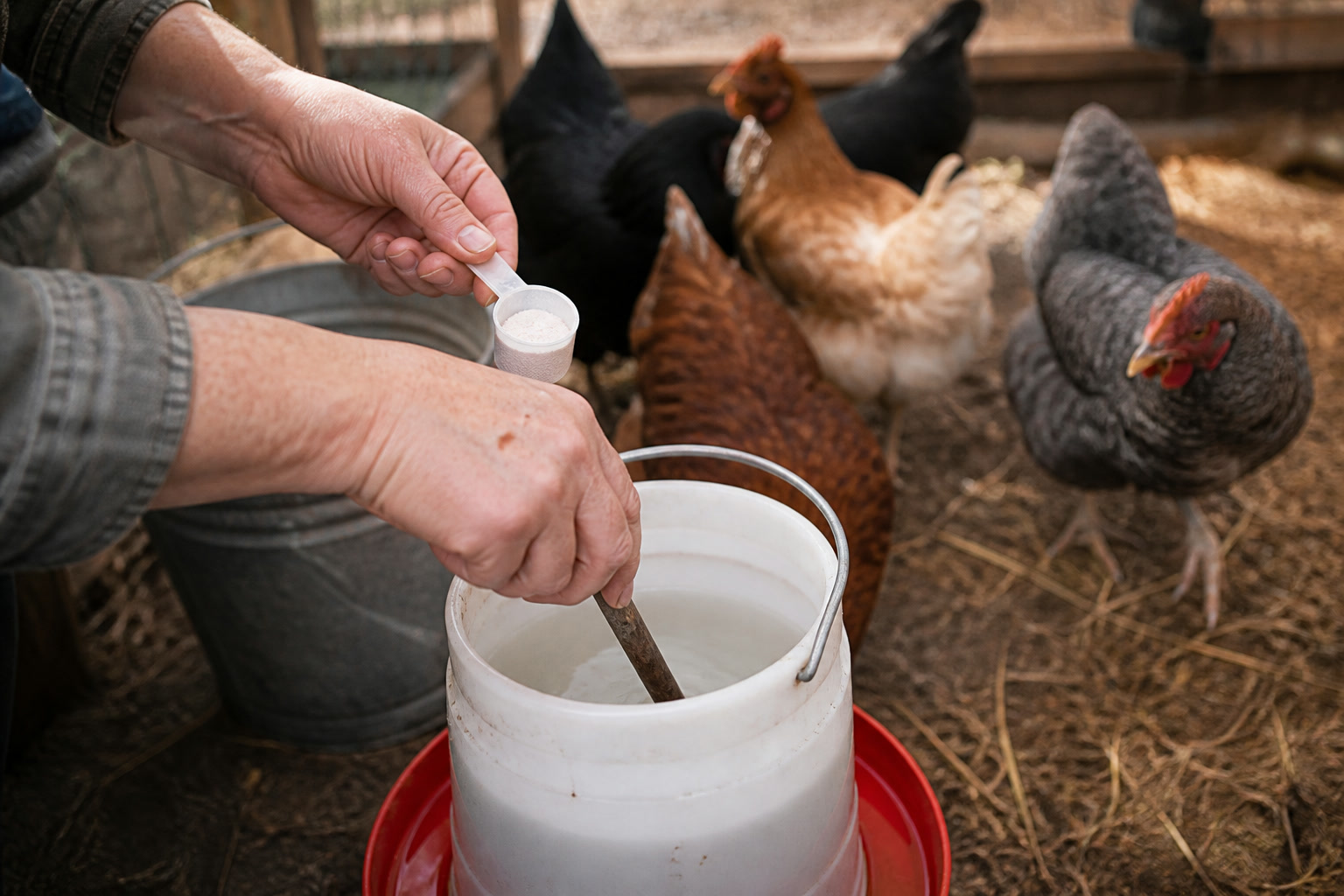
The molt is the one spot where what’s in the box earns its keep. A molting hen is burning protein and running low, and the stress of refeathering in cooling weather is real. I keep a little Sav-A-Chick electrolytes on the shelf and add a scoop to the water through the worst of it, and I lean the flock’s diet toward more protein while they’re growing feathers — a bit of scrambled egg or a higher-protein feed does more good in molt than any amount of coaxing them to lay. You can’t rush a molt. You can just make it easier.
Reason three: age
The third reason is the simplest and the one people least want to hear. Hens lay best in their first two years, and production tapers after that. A three- or four-year-old hen often takes the whole winter off and doesn’t come back until spring — and a hen of five or six may only give you a handful of eggs a year, mostly in the long days of summer.
That’s not a failure of care. It’s a laying hen doing what laying hens do. If your whole flock is aging out together, a short winter is going to look especially empty, and the fix isn’t a light or a supplement — it’s a few new pullets in the spring to keep the basket filled while the older girls enjoy their retirement.
Reason four: everything else that stacks on top
Then there’s the pile of smaller stuff that makes a short-day slowdown worse. A big scare from a predator, a move to a new coop, adding new birds and the pecking-order fight that follows, a cold snap the flock isn’t hardened to yet — stress of any kind pulls energy away from laying. A hen who’s cold, crowded, or frightened puts eggs at the bottom of her to-do list.
Water matters here more than people expect, too. A hen who can’t get to unfrozen water on a cold morning quits laying fast, because an egg is mostly water. Keeping a clean, drinkable, non-frozen supply in front of them through winter is one of the few things fully in your control, and it’s worth the twice-a-day trip with a warm jug when everything’s iced up.
Should you add a light? My honest take
This is the question everybody asks, so here’s where I land after six years. You can put a light in the coop on a timer to stretch the day back to fourteen hours and keep them laying through winter. Commercial operations do it. It works.
I mostly don’t, and here’s why. That winter rest lets a hen’s body recover, and hens who are allowed to slow down tend to lay well for more years. Forcing production through the dark season with a light can wear them out sooner. If you do use one, add it in the morning — never let a light click off at night and drop the flock into sudden dark where a startled bird can’t find the roost — and use a low, warm bulb, not a heat lamp (coop fires from heat lamps are a real and common tragedy). But my own girls get the winter off. I’d rather have fewer eggs for a few months and healthier hens for years. That’s a personal call, and either choice is a fine one — just make it on purpose.
So what do you actually do?
Mostly, you let it happen. Recognize that short days and a molt showing up together is the whole explanation nine times out of ten. Keep good feed and unfrozen water in front of them, lean protein higher through the molt, keep everyone dry and out of the wind, and let the older girls rest. The eggs come back on their own as the days lengthen after the solstice — usually a few weeks before you’d expect, right about the time the light crosses back over that ten-hour line in late winter.
And if you want the whole first-year picture — the molt, the cold care, the light question, and the dozen other “is this normal?” moments that come with a flock — I lay it all out in my book, Raising Backyard Chickens for Beginners. This post is the winter slowdown. The book is everything else I wish someone had told me my first fall, when I was the one standing at an empty nesting box wondering what I’d done wrong.
